
Podcast
Additional podcasts on Physical Health
Vitamin C, also known as ascorbic acid, is a nutritional superstar found in citrus fruits, bell peppers, strawberries, and leafy greens. This essential water-soluble vitamin is celebrated for its potent antioxidant properties, immune-boosting capabilities, and critical role in numerous bodily functions. From supporting skin health and wound healing to protecting against chronic diseases and enhancing mental well-being, vitamin C is a cornerstone of wellness. While abundant in certain foods, its therapeutic potential is often maximized through supplementation, especially for those with increased needs or limited dietary intake. Backed by decades of scientific research, vitamin C offers a versatile, science-driven approach to optimizing health. Let’s explore its remarkable benefits and discover how you can harness its power through diet and supplementation to elevate your wellness journey.
A Potent Antioxidant for Cellular Protection
Vitamin C is a powerhouse antioxidant, neutralizing free radicals—unstable molecules generated by stress, pollution, or metabolism—that cause oxidative stress, a key contributor to aging, cancer, and chronic diseases like heart disease and neurodegenerative disorders. By protecting cells, DNA, and tissues from oxidative damage, vitamin C supports long-term health and resilience. Its antioxidant effects are particularly vital for cardiovascular health, where vitamin C helps prevent LDL cholesterol oxidation, improves blood vessel function, and reduces arterial inflammation, potentially lowering the risk of heart disease and stroke. Supplementation, typically at doses of 500–1000 mg daily, can enhance these protective effects, especially for individuals with high oxidative stress from smoking, poor diet, or environmental exposures. For those seeking to shield their cells from damage, vitamin C supplementation offers a robust defense beyond dietary intake.
Boosting Immune Function
Vitamin C is renowned for its immune-boosting properties, making it a go-to nutrient during cold and flu season. It supports the production and function of immune cells, such as white blood cells, neutrophils, and lymphocytes, which are essential for fighting infections. Research shows that vitamin C supplementation, particularly at 1–2 grams daily, can reduce the duration and severity of common colds in some populations, such as those under physical stress or with low baseline levels. It also enhances skin barrier function, acting as a first line of defense against pathogens. For individuals with frequent infections or weakened immunity, supplementation at 500–2000 mg daily can provide a targeted immune boost, especially when combined with zinc for synergistic effects. Whether you’re aiming to prevent illness or recover faster, vitamin C supplementation is a science-backed tool to strengthen your immune defenses.
Supporting Skin Health and Wound Healing
Vitamin C is essential for collagen synthesis, a critical process for maintaining healthy skin, connective tissues, and blood vessels. It promotes wound healing by supporting tissue repair and reducing inflammation at injury sites, making it vital for recovery from cuts, burns, or surgical wounds. Its antioxidant properties also protect skin from UV damage and reduce signs of aging, such as wrinkles and age spots, by neutralizing free radicals and supporting skin elasticity. Supplementation at 500–1000 mg daily can enhance collagen production and skin repair, particularly for those with low dietary intake or healing needs, such as post-surgery patients or those with chronic wounds. Topical vitamin C serums are popular for skin health, but oral supplementation ensures systemic benefits for overall tissue repair and radiant skin.
Enhancing Brain Health and Mood
Vitamin C plays a significant role in brain health, acting as a cofactor in neurotransmitter synthesis and protecting neurons from oxidative stress. It supports the production of dopamine and norepinephrine, which are crucial for mood regulation and cognitive function. Low vitamin C levels are linked to depression and cognitive decline, and supplementation at 500–1000 mg daily may improve mood and reduce symptoms of anxiety in some individuals. Its neuroprotective effects also help shield the brain from oxidative damage, potentially reducing the risk of neurodegenerative diseases like Alzheimer’s. For those under stress, experiencing low mood, or seeking to maintain cognitive sharpness, supplementation can provide a concentrated dose to support brain health and emotional resilience, especially in cases of deficiency.
Supporting Metabolic and Cardiovascular Health
Vitamin C contributes to metabolic health by improving iron absorption, which supports energy production and prevents anemia. It also enhances insulin sensitivity, aiding blood sugar regulation and potentially reducing the risk of type 2 diabetes. For cardiovascular health, vitamin C’s ability to improve endothelial function and reduce blood pressure adds to its protective effects against heart disease. Supplementation at 500–1000 mg daily has been studied for these metabolic and cardiovascular benefits, showing improvements in blood vessel health and glucose control, particularly in individuals with low vitamin C levels or metabolic syndrome. For those aiming to optimize metabolism or support heart health, vitamin C supplementation can complement a nutrient-rich diet.
Promoting Overall Wellness
Beyond its specific benefits, vitamin C supports overall wellness by acting as a cofactor in numerous enzymatic reactions, including those involved in carnitine synthesis (essential for fat metabolism) and hormone production. It also reduces fatigue and supports adrenal function, helping the body cope with physical and mental stress. Preliminary research suggests vitamin C may have anti-cancer properties by enhancing immune surveillance and reducing inflammation, though more human studies are needed. Supplementation can ensure adequate levels for these systemic benefits, particularly for those with increased needs due to stress, illness, or poor dietary intake.
Incorporating Vitamin C: Diet and Supplementation
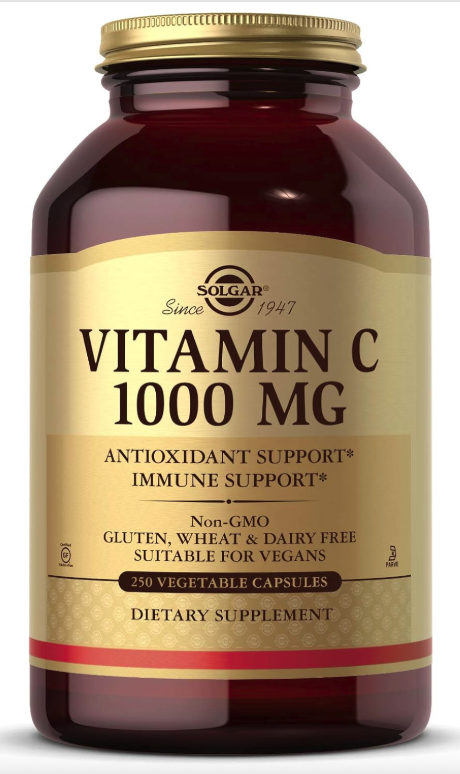
Vitamin C is abundant in foods like oranges (70 mg per fruit), strawberries (98 mg per cup), bell peppers (190 mg per cup), kiwi, and broccoli, but heat and storage can degrade it, reducing content in cooked or processed foods. The recommended dietary allowance (RDA) for adults is 75 mg for women and 90 mg for men, with higher needs for smokers (add 35 mg daily) and pregnant or breastfeeding women. However, many people, especially those with limited fruit and vegetable intake, may fall short of optimal levels. Supplementation is an effective way to meet needs, with forms like ascorbic acid, buffered vitamin C, or liposomal vitamin C available in doses of 500–2000 mg. For general health, 500–1000 mg daily is common, while higher doses (1–2 grams) are used for immune support or specific conditions like colds or wound healing. Splitting doses (e.g., 500 mg twice daily) and taking with food can minimize stomach upset and improve absorption. Combining vitamin C with bioflavonoids or zinc may enhance its immune and antioxidant effects.
Safety and Considerations
Vitamin C is generally safe, with a tolerable upper intake level (UL) of 2000 mg daily for adults to avoid side effects like diarrhea, nausea, or stomach cramps. High doses may increase the risk of kidney stones in susceptible individuals, particularly those with a history of oxalate stones. Vitamin C may interact with certain medications, such as chemotherapy drugs or blood thinners, so timing and medical guidance are important. Individuals with hemochromatosis, kidney disease, or G6PD deficiency should consult a doctor before supplementing. A blood test (e.g., plasma vitamin C levels) can assess status, especially for those at risk of deficiency due to poor diet, smoking, or chronic illness. Pregnant or breastfeeding women and those with medical conditions should seek professional advice to ensure safe supplementation.
Your Journey to Optimal Wellness
Vitamin C’s extraordinary versatility—from bolstering immunity and promoting radiant skin to protecting heart and brain health, enhancing wound healing, and supporting metabolic function—makes it an indispensable nutrient for vibrant wellness. Whether you enjoy vitamin C-rich foods like citrus and peppers or opt for targeted supplementation, this nutrient offers a science-backed path to vitality. Don’t wait to unlock its potential—consult your doctor or a nutritionist today to explore how vitamin C can fit into your personalized health plan and start your journey to a stronger, healthier, and more vibrant you.