Podcast

Additional podcasts on Spiritual Inspirations and Personal Growth
In today’s whirlwind of deadlines, errands, and endless to-do lists, it’s easy to become consumed by our own lives. We rush to work, shuttle kids to school or sports, and tackle grocery runs, often oblivious to the silent struggles of those around us.
The person sitting alone at the coffee shop, the coworker forcing a smile, or the stranger on the street corner—how often do we truly see them? In our fast-paced world, we risk missing opportunities to offer a kind word, a thoughtful gesture, or a helping hand to someone in need.
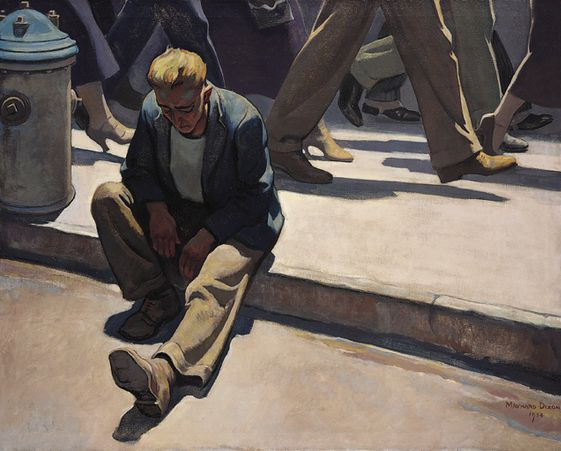
Maynard Dixon’s 1934 painting Forgotten Man captures this human disconnect with haunting clarity. The artwork portrays a dejected man slumped on a curb, his shoulders hunched, his gaze cast downward in despair. Passersby move along the sidewalk behind him, completely unaware of his presence or pain. This image, though created nearly a century ago, remains a powerful reminder of the “forgotten” people we encounter every day—those grappling with loneliness, sadness, or hopelessness, often invisible to our hurried eyes.
The truth is, we all have obligations, demands, and places to be. But are we so caught up in our routines that we overlook the chance to make a meaningful difference? The forgotten man or woman could be anyone—a neighbor masking their depression, a friend hiding their grief, or a family member quietly yearning for connection. They may wear a brave face, but inside, they’re crying out for someone to notice, to offer a kind word, a moment of recognition, or even a simple hug.
Psychologist Jordan Peterson once said, “It’s really something to see, constantly, how many people are dying for the lack of an encouraging word and how easy it is, if you’re careful, to give credit where credit is due and to say…you’re a net force for good if you want to be.” His words underscore a profound truth: small acts of compassion can have an outsized impact. A genuine compliment, a moment of undivided attention, or a gesture of support can be a lifeline to someone drowning in their struggles.
So, how do we become that net force for good? It starts with awareness—making a conscious choice to slow down and notice the people around us. It means looking beyond the surface to see the coworker who’s been unusually quiet, the neighbor who seems withdrawn, or the stranger whose eyes betray their pain. Compassion follows awareness: offering a smile, asking “Are you okay?” and truly listening, or extending a helping hand when you sense someone needs it. These actions don’t require grand gestures or hours of time—just a willingness to care.
You may have been the forgotten person at some point in your life, yearning for someone to see you. Or perhaps you know someone who fits that description today—a family member, friend, or colleague quietly struggling. By choosing to be present and compassionate, you can break the cycle of isolation and bring light to someone’s darkness.
This week, challenge yourself to pause and truly see the people around you. Look for one opportunity each day to offer a kind word, a thoughtful gesture, or a moment of connection. Whether it’s a heartfelt compliment, a check-in with a friend, or a small act of kindness for a stranger, commit to being a force for good. Let’s make the forgotten feel seen, valued, and loved—because even the smallest act of compassion can change a life.