
Podcast

Additional podcasts on Physical Health
It’s not about deprivation—it’s about eating smarter to fuel your body, avoid overeating’s pitfalls, and live better. Here’s an in-depth look at why portion control matters, its benefits, and practical methods to make it second nature.
Benefits of Portion Control
Weight Management and Obesity Prevention
Portion control helps you consume fewer calories without feeling starved, making it easier to maintain or reach a healthy weight. Overeating packs on pounds, increasing the risk of obesity, which the World Health Organization links to a 50-70% higher chance of heart disease, stroke, and type 2 diabetes. By eating appropriate portions, you stabilize blood sugar and reduce fat storage, keeping your body in balance.
Improved Digestion
Smaller portions ease the workload on your digestive system. Overloading your stomach can lead to bloating, acid reflux, or gastritis, while eating just enough supports smooth digestion. According to the National Institute of Diabetes and Digestive and Kidney Diseases, smaller, balanced meals reduce the risk of gastrointestinal issues like GERD, which affects 20% of adults.
Better Blood Sugar and Energy Levels
Large portions, especially of refined carbs or sugars, cause blood sugar spikes and crashes, leaving you sluggish. Portion control paired with balanced nutrients (think protein, fiber, and healthy fats) keeps glucose levels steady, sustaining energy throughout the day. A 2020 study in The Lancet found that controlled portions lowered the risk of insulin resistance by up to 30%.
Mental Health and Eating Habits
Overeating often triggers guilt or shame, fueling emotional eating cycles. Portion control fosters mindfulness, helping you enjoy food without overindulging. It can also reduce the risk of binge eating disorder, which impacts 2-3% of people, per the National Eating Disorders Association. You’ll feel empowered, not restricted, by making intentional choices.
Cost Savings and Less Food Waste
Serving smaller portions means buying and cooking less, saving money. It also cuts food waste—globally, 1.3 billion tons of food are wasted annually, per the UN. Portion control aligns your consumption with your needs, benefiting both your budget and the environment.
Heart Health
Smaller portions reduce calorie and sodium intake, easing strain on your cardiovascular system. The American Heart Association notes that controlling portion sizes lowers cholesterol and blood pressure, cutting heart disease risk by up to 25%.
Methods to Practice Portion Control
Use Smaller Plates and Bowls
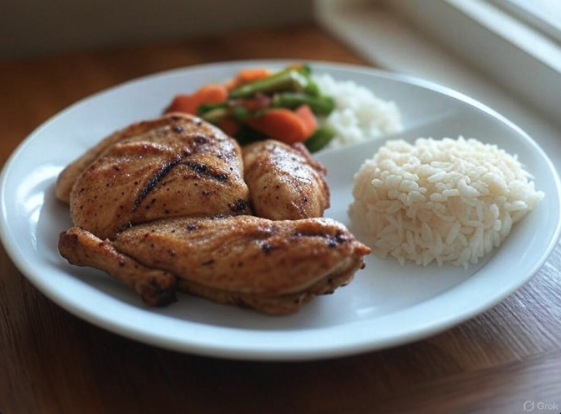
Swap oversized dinnerware for smaller plates (8-10 inches) and bowls (1-2 cups). A 2018 study in Appetite found that people eat 20-30% less when using smaller dishware because it tricks your brain into thinking you’re eating more. Fill half with veggies, a quarter with protein, and a quarter with carbs for balance.
Measure and Pre-Portion
Use measuring cups, spoons, or a food scale to understand serving sizes. For example, a portion of cooked rice is about ½ cup (roughly a fist-sized scoop), and meat is 3-4 ounces (deck of cards). Pre-portion snacks into small bags or containers to avoid mindless munching. Apps like MyFitnessPal can help track portions and nutrients.
Practice Mindful Eating
Slow down and savor each bite. Eating without distractions (no TV or phone) helps you tune into hunger and fullness cues. The Harvard T.H. Chan School of Public Health suggests taking 20 minutes per meal—your brain needs that time to signal satiety. Chew thoroughly and pause halfway to assess if you’re still hungry.
Follow the Plate Method
Visualize your plate as a guide: 50% non-starchy vegetables (like broccoli or spinach), 25% lean protein (chicken, tofu), and 25% whole grains or starchy veggies (quinoa, sweet potato). Add a thumb-sized portion of healthy fats (avocado, nuts). This ensures nutrient balance without overeating any one food group.
Read Nutrition Labels
Check serving sizes on packages—many “single” servings are actually 2-3 portions. For example, a bag of chips might list 15 chips as a serving, but contain 3 servings. Portion out what you’ll eat and put the rest away to avoid grazing.
Eat High-Fiber, High-Protein Foods First
Start meals with fiber-rich veggies or protein to fill up faster. A 2021 study in Nutrients showed that eating protein first reduces overall calorie intake by 10-15%. A salad or broth-based soup before the main course can also curb appetite.
Control Restaurant Portions
Restaurant meals are often 2-3 times a standard portion. Split an entrée with someone, order an appetizer as your main, or box half the meal before eating. Ask for dressings or sauces on the side to manage calorie-dense extras.
Plan Meals and Snacks
Prep meals in advance to control portions and avoid impulse eating. Schedule snacks (e.g., a small apple with 1 tbsp peanut butter) to prevent overeating at meals. Planning also reduces reliance on oversized takeout or processed foods.
Drink Water Before Meals
Drinking 16 ounces of water 30 minutes before eating can reduce hunger, per a 2019 study in Clinical Nutrition Research. It fills your stomach temporarily, helping you eat less without feeling deprived.
Check In with Hunger Cues
Use a hunger scale (1 = starving, 10 = stuffed). Aim to eat when you’re at 3-4 (mildly hungry) and stop at 6-7 (satisfied, not full). This prevents eating out of habit or boredom.
Making It Stick
Start small—try one or two methods for a week, like using a smaller plate or measuring snacks. Track progress with a food journal or app to stay accountable. If emotional eating is a factor, consider therapy or support groups to address triggers. Involve family or friends for encouragement, and celebrate non-scale victories like better energy or fewer cravings.
Portion control isn’t about starving yourself—it’s about respecting your body’s needs and enjoying food with intention. By eating just enough, you’ll boost your health, save money, and reduce waste, all while feeling lighter and more in control. Take the first step today: measure that next meal, savor each bite, and watch the benefits stack up.