
Podcast
Additional podcasts on Physical Health
In a world where convenience often overshadows well-being, obesity has surged into one of the most critical public health challenges of our time. It’s far more than carrying extra pounds—it’s a complex condition that reshapes lives, silently eroding physical health, mental resilience, and overall quality of life. From escalating chronic disease risks to limiting daily functionality, obesity’s impact is profound and far-reaching. As we dive into the obesity crisis, its devastating health consequences, and actionable lifestyle modifications, we’ll uncover why addressing this epidemic is urgent and how intentional, sustainable changes can empower you to reclaim your vitality and break free from its hold.
The Obesity Crisis: A Global Epidemic Gaining Momentum
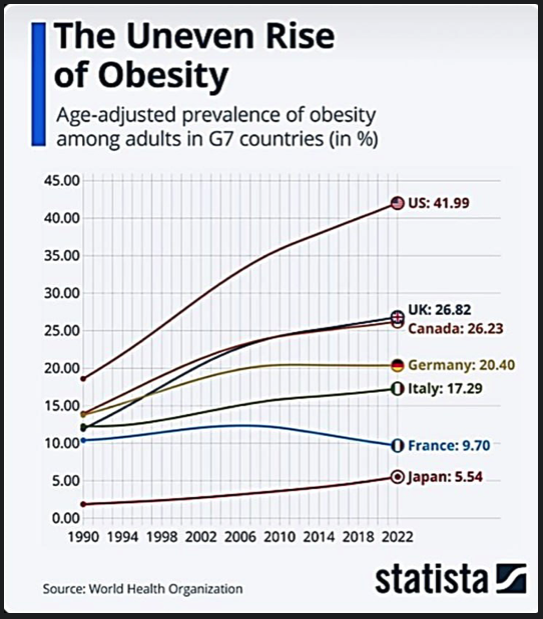
The obesity crisis is no longer a distant concern—it’s a global epidemic with alarming growth. According to the World Health Organization, in 2022, one in eight people worldwide was living with obesity, with adult obesity rates more than doubling since 1990. Projections warn that by 2025, obesity prevalence could hit 18% in men and over 21% in women globally, with some regions facing even steeper climbs. If current trends persist, an estimated 2.7 billion adults could be overweight or obese by 2025. In the United States, the numbers are even more striking, with nearly three in four adults classified as overweight or obese based on recent studies. This crisis isn’t just about numbers—it’s driven by a perfect storm of sedentary lifestyles, ultra-processed foods, socioeconomic disparities, and systemic barriers to healthy living. The result? Soaring healthcare costs, strained systems, and millions of lives caught in a cycle of declining health and reduced longevity.
The Devastating Health Impacts of Obesity
Obesity doesn’t just affect appearance—it infiltrates every facet of health, acting as a catalyst for a cascade of serious conditions. Physically, it significantly increases the risk of chronic diseases like type 2 diabetes, which affects millions and can lead to complications such as nerve damage and kidney failure. Cardiovascular diseases, including heart attacks and strokes, are closely linked to excess weight, as obesity strains the heart and blood vessels. Certain cancers, such as breast, colon, and endometrial, are more prevalent among those with obesity, adding to its deadly toll. Beyond these, obesity contributes to high blood pressure, kidney disease, fatty liver disease, and reproductive issues, creating a web of interconnected health challenges.
Mentally, the impact is equally profound. Obesity is often linked to low self-esteem, depression, anxiety, and motivational disorders, fueled by societal stigma and personal struggles. These mental health challenges can create a vicious cycle, where emotional distress leads to overeating or reduced activity, further exacerbating weight gain. Physically, daily life becomes harder—breathlessness, joint and back pain, chronic fatigue, and sleep disruptions like snoring or sleep apnea become common complaints. These symptoms don’t just hinder comfort; they diminish independence and quality of life. Ultimately, obesity is classified as a chronic disease because it shaves years off life expectancy, with studies linking it to premature death and a significantly reduced lifespan.
Obesity’s Broader Ripple Effects
The consequences of obesity extend far beyond individual health, creating ripples that affect families, communities, and economies. Daily activities like climbing stairs, playing with children, or even standing for extended periods become daunting, limiting personal freedom and straining relationships. In the workplace, obesity can reduce productivity and increase absenteeism due to health-related issues. Economically, the burden is staggering—global healthcare systems spend billions annually on obesity-related conditions, from hospital stays to medications. Socially, the stigma surrounding obesity can lead to isolation, discrimination, and reluctance to seek help, perpetuating a cycle of shame and inaction. This makes obesity not just a personal battle but a societal challenge that demands collective awareness, empathy, and action to address root causes like food deserts, lack of access to safe exercise spaces, and cultural norms around eating.
Lifestyle Modifications: A Practical Path to Transformation
While the obesity crisis may feel overwhelming, it’s not insurmountable. Lifestyle modifications offer a powerful, accessible foundation for managing and even reversing obesity’s effects. The journey begins with dietary changes. Shift toward a balanced, calorie-controlled diet rich in whole foods—think vibrant fruits and vegetables, lean proteins like chicken or fish, whole grains like quinoa or brown rice, and healthy fats from sources like avocados or nuts. Evidence-based approaches, such as the Mediterranean diet or intermittent low-calorie plans, have proven effective for sustainable weight loss. Focus on eating at regular intervals to stabilize blood sugar, stay hydrated to support metabolism, and steer clear of fad diets that promise quick fixes but often lead to rebound weight gain. Instead, build habits like meal prepping or choosing nutrient-dense snacks to create a sustainable relationship with food.
Physical activity is the next pillar. You don’t need to run marathons—start with moderate exercises like brisk walking, swimming, cycling, or strength training to build muscle and boost metabolism. Aim for at least 150 minutes of moderate activity per week, as recommended by health guidelines, but even small steps count. Take the stairs, park farther from the store, or try a 10-minute home workout. Reducing screen time is critical to breaking sedentary habits, which often sneak into daily routines through hours spent on phones or TVs. Find activities you enjoy to make movement a natural part of your life, whether it’s dancing, gardening, or yoga.
Behavioral changes tie it all together. Set specific, measurable goals—like losing 1-2 pounds per month or walking 5,000 steps daily—and track your progress with a journal or app. Address emotional eating by practicing mindfulness, such as pausing to assess hunger cues before reaching for food. Support groups, whether in-person or online, can provide accountability and encouragement. Don’t overlook sleep—aim for 7-9 hours of quality rest nightly, as poor sleep disrupts hormones that regulate hunger and metabolism. Combining these strategies—nutrition, exercise, behavior, and sleep—creates a synergistic effect far more powerful than any single change.
Overcoming Barriers and Building Resilience
Starting this journey can feel daunting, especially when faced with barriers like time constraints, financial limitations, or lack of access to healthy resources. Break it down: Swap one processed snack for a piece of fruit, take a walk during lunch breaks, or explore free workout videos online. Seek support from healthcare professionals, dietitians, or community programs to tailor a plan to your needs. Motivation will ebb and flow, but resilience comes from celebrating small wins—like fitting into an old pair of jeans or feeling more energized—while staying kind to yourself through setbacks. Obesity is a chronic condition, and progress takes time, consistency, and self-compassion.
Take Action Today: Your Health Is Worth It
The obesity crisis is a call to action for all of us—to prioritize health, challenge harmful habits, and build a future where vitality thrives. You have the power to start today, no matter where you are in your journey. Consult a healthcare professional to create a personalized plan that fits your life. Take one small step: replace a sugary drink with water, commit to a 10-minute walk, or log your meals for a week to spot patterns. Every choice moves you closer to a healthier, more vibrant you. Don’t wait—your body, mind, and future self deserve this investment.