

Podcast
Additional podcasts on Physical Health
In the quest for better health, few supplements offer as much versatility and evidence-based support as magnesium glycinate. This unique compound combines magnesium, an essential mineral involved in over 300 biochemical reactions in the body, with glycine, a non-essential amino acid known for its calming and restorative properties. Together, they create a highly bioavailable form of magnesium that’s gentle on the stomach and easy for the body to absorb, minimizing common side effects like digestive upset seen with other magnesium types. Let’s dive deeper into the science-backed benefits, with a focus on heart and artery health, sleep improvement, recommended dosages, and optimal timing to help you integrate this powerhouse into your routine.
Understanding Magnesium Glycinate and Glycine
Magnesium is crucial for regulating nerve and muscle function, maintaining blood sugar levels, and reducing inflammation throughout the body. When bound to glycine, its absorption improves significantly, allowing for better utilization in tissues and cells. Glycine itself acts as an inhibitory neurotransmitter, promoting relaxation and supporting processes like collagen production and cognitive function. This synergy makes magnesium glycinate particularly effective for addressing deficiencies—common in modern diets due to soil depletion and processed foods—while delivering targeted benefits without harsh laxative effects.
Heart and Artery Health: A Cardiovascular Ally
One of the standout areas where magnesium glycinate shines is in supporting cardiovascular wellness. Magnesium plays a key role in maintaining a steady heartbeat by participating in the electrical processes that keep your heart rhythm consistent and preventing irregularities. Low magnesium levels are linked to an increased risk of cardiovascular events, including heart disease and sudden cardiac issues, as they can predispose the body to inflammation and plaque buildup in arteries.
Specifically, magnesium glycinate helps lower blood pressure by acting as a natural calcium channel blocker, which relaxes blood vessels and improves blood flow. It also enhances endothelial function—the inner lining of arteries—reducing stiffness and promoting vasodilation for better circulation. Studies suggest that adequate magnesium intake can reduce the risk of heart disease by regulating cholesterol levels, minimizing oxidative stress, and supporting overall muscle function in the heart. For those with hypertension or a family history of cardiovascular issues, incorporating this supplement could be a proactive step toward long-term artery health and reduced inflammation.
Benefits for Sleep: Nature’s Lullaby
If restless nights are plaguing you, magnesium glycinate combined with glycine offers a gentle, non-habit-forming solution. Magnesium helps calm the nervous system by binding to gamma-aminobutyric acid (GABA) receptors in the brain, which promotes relaxation and reduces anxiety that often interferes with sleep. It also relaxes muscles, alleviating tension and symptoms of restless leg syndrome that can disrupt rest.
Glycine amplifies these effects by improving subjective sleep quality, shortening the time it takes to fall asleep, and enhancing deep, restorative slow-wave sleep without causing grogginess the next day. Research shows that higher magnesium levels correlate with longer sleep duration and less daytime fatigue, making this duo ideal for those dealing with stress-induced insomnia or irregular sleep patterns. Unlike melatonin or prescription aids, magnesium glycinate addresses root causes like mineral deficiency and neurotransmitter imbalance for more sustainable sleep improvements.
Additional Health Benefits
Beyond heart and sleep support, magnesium glycinate and glycine offer a broad spectrum of advantages:
- Bone Health: Magnesium aids in calcium absorption and bone density maintenance, potentially reducing the risk of osteoporosis.
- Blood Sugar Management: It helps regulate insulin sensitivity, beneficial for those with type 2 diabetes or prediabetes.
- Mood and Anxiety Relief: The calming effects can ease symptoms of anxiety, PMS, and even menstrual cramps.
- Muscle Recovery: Glycine supports collagen synthesis, while magnesium reduces lactic acid buildup for faster recovery post-exercise.
Recommended Daily Dosage and Timing
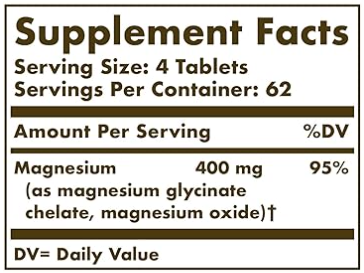
The Recommended Dietary Allowance (RDA) for elemental magnesium varies by age and sex: 310–320 mg for adult women and 400–420 mg for adult men. For magnesium glycinate supplements, aim for 250–350 mg of elemental magnesium per day, which typically translates to 2,000–2,500 mg of the full compound, depending on the product’s concentration. Start low (around 200 mg) to assess tolerance, and consult a healthcare provider if you have kidney issues or are on medications, as excess magnesium can cause side effects like diarrhea.
Timing matters based on your goals: For sleep benefits, take it 30–60 minutes before bed to leverage its relaxing properties. If focusing on daytime energy, heart support, or muscle function, a morning dose with food may be more effective to avoid drowsiness. Always pair it with a balanced diet rich in magnesium sources like leafy greens, nuts, and seeds for optimal results.
Ready to experience the transformative effects of magnesium glycinate and glycine? Consult your doctor to see if it’s right for you, then incorporate it into your daily routine for better sleep, stronger heart health, and enhanced vitality. It is always recommended that you consult with your physician before beginning a supplementation regimen especially if you are taking prescription medications.