
Podcast
Additional podcasts on Physical Health
Resveratrol, a natural polyphenol found in red grapes, berries, peanuts, and famously in red wine, is a remarkable compound capturing attention for its wide-ranging health benefits. Celebrated for its antioxidant, anti-inflammatory, and anti-aging properties, resveratrol is a key player in promoting heart health, brain function, and longevity. While present in certain foods, its therapeutic potential is often maximized through supplementation, making it accessible for those seeking to optimize wellness. Backed by extensive research, resveratrol offers a science-driven approach to combating oxidative stress, supporting metabolic health, and enhancing vitality. Let’s explore the profound benefits of resveratrol and how you can harness its power through diet and supplementation to transform your health journey.
A Potent Antioxidant for Cellular Protection
Resveratrol’s standout feature is its powerful antioxidant activity, which neutralizes free radicals—unstable molecules that damage cells and contribute to aging, cancer, and chronic diseases. By reducing oxidative stress, resveratrol protects DNA, proteins, and lipids from damage, laying a foundation for long-term health. This antioxidant prowess is particularly beneficial for cardiovascular health, where resveratrol helps prevent LDL cholesterol oxidation, reduces arterial plaque buildup, and improves blood vessel function, potentially lowering the risk of heart disease and stroke. Studies suggest that supplementation, typically at doses of 100–500 mg daily, can enhance these cardiovascular benefits, especially for individuals with risk factors like high cholesterol or hypertension. For those seeking to protect their heart and cells from oxidative damage, resveratrol supplementation offers a targeted approach beyond what dietary sources alone can provide.
Supporting Heart Health and Circulation
Resveratrol’s cardiovascular benefits extend beyond its antioxidant effects. It promotes healthy blood flow by enhancing nitric oxide production, which relaxes blood vessels and improves circulation. This can lead to lower blood pressure and reduced strain on the heart. Research also indicates that resveratrol may reduce platelet aggregation, decreasing the risk of blood clots that can cause heart attacks or strokes. Supplementation at 100–1000 mg daily has been studied for these effects, showing promise in improving endothelial function and reducing inflammation markers like C-reactive protein. For individuals with cardiovascular risk factors or a family history of heart disease, resveratrol supplementation can be a proactive step to support heart health and maintain optimal circulation.
Boosting Brain Health and Cognitive Function
Resveratrol is a neuroprotective powerhouse, capable of crossing the blood-brain barrier to shield neurons from oxidative stress and inflammation, both implicated in neurodegenerative diseases like Alzheimer’s and Parkinson’s. It supports cognitive function by enhancing cerebral blood flow and reducing the accumulation of harmful proteins, such as beta-amyloid, linked to Alzheimer’s disease. Studies suggest that resveratrol supplementation, often at 200–500 mg daily, may improve memory, learning, and overall cognitive performance, particularly in older adults. Its anti-inflammatory effects also help mitigate neuroinflammation, a contributor to cognitive decline and mood disorders. For those seeking to maintain mental sharpness or protect against age-related cognitive decline, resveratrol supplementation offers a promising tool to support brain health and resilience.
Promoting Longevity and Anti-Aging
Resveratrol has gained fame as a potential “longevity molecule” due to its ability to activate sirtuins, proteins linked to cellular repair and aging. By mimicking the effects of caloric restriction—a known longevity enhancer—resveratrol may extend healthspan, the period of life spent in good health. Animal studies show that resveratrol improves lifespan and reduces age-related decline, and while human data is still emerging, supplementation at 100–1000 mg daily is being explored for its anti-aging potential. Resveratrol also exhibits senolytic-like properties, helping to clear senescent cells that contribute to tissue dysfunction and aging. For those interested in healthy aging, resveratrol supplementation can complement a balanced lifestyle to promote vitality and longevity.
Supporting Metabolic Health and Inflammation Control
Resveratrol plays a significant role in metabolic health by improving insulin sensitivity and regulating blood sugar levels, which may reduce the risk of type 2 diabetes. It activates pathways like AMPK, which enhance energy metabolism and fat burning, making it a potential aid for weight management. Additionally, resveratrol’s anti-inflammatory properties help reduce chronic inflammation, a driver of metabolic disorders, heart disease, and arthritis. Supplementation at 150–500 mg daily has been studied for these metabolic benefits, showing improvements in glucose control and inflammation markers in individuals with metabolic syndrome or prediabetes. For those aiming to optimize metabolism or manage inflammation, resveratrol supplementation can provide a targeted boost.
Potential Anticancer Properties
Emerging research suggests resveratrol may have anticancer effects by inhibiting tumor growth, promoting apoptosis (programmed cell death) in cancer cells, and preventing cancer cell proliferation. It may also reduce the side effects of chemotherapy and enhance its efficacy. While most evidence comes from cell and animal studies, supplementation at 100–1000 mg daily is being explored in human trials for its potential to support cancer prevention and treatment. Though more research is needed, resveratrol’s antioxidant and anti-inflammatory properties make it a promising candidate for cancer risk reduction.
Incorporating Resveratrol: Diet and Supplementation
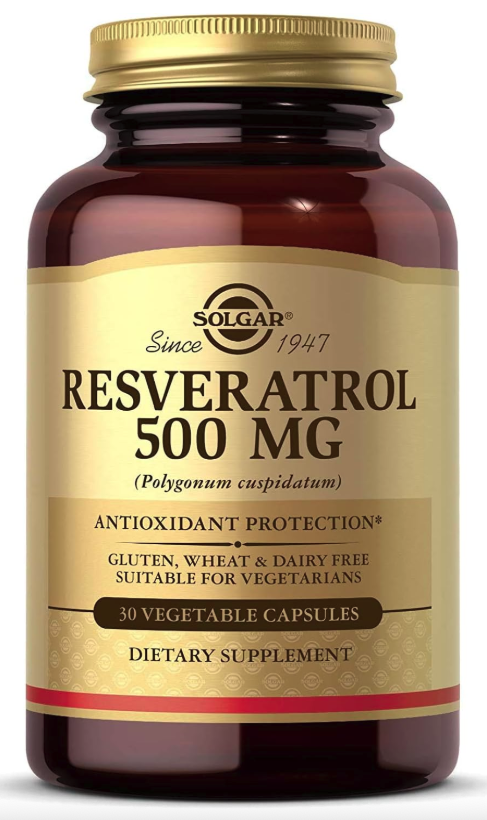
Resveratrol is found in red grapes (1–2 mg per glass of red wine), blueberries, cranberries, peanuts, and dark chocolate, but dietary amounts are typically low (0.1–2 mg per serving), making it challenging to achieve therapeutic doses through food alone. Supplementation is the most effective way to reach the doses used in studies (100–1000 mg daily), with forms like trans-resveratrol offering high bioavailability. To enhance absorption, take resveratrol with a meal containing healthy fats, as it is fat-soluble. Common supplement doses range from 100–500 mg for general health, with higher doses (up to 1000 mg) used for specific conditions like metabolic syndrome or cognitive support under medical supervision. Micronized or liposomal formulations may further improve bioavailability.
Safety and Considerations
Resveratrol is generally safe at doses up to 1000 mg daily, with mild side effects like digestive upset or headaches reported at higher doses. No official upper limit exists, but long-term safety data for very high doses (above 1000 mg) is limited. Resveratrol may interact with blood thinners (e.g., warfarin), anti-inflammatory drugs, or medications metabolized by the liver, so caution is needed. Individuals with hormone-sensitive conditions (e.g., breast cancer) should consult a doctor, as resveratrol may have estrogen-like effects. Pregnant or breastfeeding women and those with chronic illnesses should avoid supplementation unless approved by a healthcare provider. A healthcare professional can assess your needs through dietary analysis or health evaluations to determine if supplementation is appropriate.
Your Path to Vibrant Health
Resveratrol’s extraordinary benefits—from protecting your heart and brain to combating inflammation, supporting metabolism, and promoting longevity—make it an essential tool for anyone striving for optimal wellness. Whether you enjoy resveratrol-rich foods or opt for targeted supplementation, this polyphenol offers a science-backed path to vitality. Don’t wait to unlock its potential—consult your doctor or a nutritionist today to explore how resveratrol can fit into your personalized health plan and start your journey to a healthier, more vibrant you.