
Podcast
Additional podcasts on Physical Health
Fisetin, a vibrant flavonoid found in fruits and vegetables like strawberries, apples, and cucumbers, is gaining attention as a nutritional powerhouse. This bioactive compound offers a range of science-backed health benefits, from combating oxidative stress to supporting brain health and promoting longevity. While naturally present in foods, fisetin’s potential is amplified through supplementation, making it an exciting option for those looking to optimize their well-being. Let’s explore how fisetin, through diet and supplementation, can elevate your health and why it deserves a spot in your wellness routine.
Fisetin’s most celebrated attribute is its potent antioxidant activity. It neutralizes free radicals—unstable molecules that damage cells and contribute to aging and chronic diseases—helping to reduce oxidative stress. This antioxidant power also curbs inflammation, a key factor in conditions like heart disease, diabetes, and arthritis. Studies suggest fisetin supports cardiovascular health by improving blood vessel function and reducing arterial plaque buildup, potentially lowering the risk of heart attacks and strokes. Supplementation may enhance these benefits, as research doses (often 100–500 mg) exceed what’s typically achievable through diet alone.
Brain health is another area where fisetin excels. It crosses the blood-brain barrier, directly supporting cognitive function and protecting neurons from damage. Fisetin may enhance memory and learning by promoting synaptic plasticity, the brain’s ability to form new connections. It’s also being studied for its potential to slow
neurodegenerative diseases like Alzheimer’s by reducing harmful protein accumulation (e.g., amyloid-beta) and brain inflammation. Supplementation could provide a concentrated dose to support cognitive health, particularly for those with low dietary intake or age-related concerns, though human studies are ongoing.
Fisetin’s senolytic properties are particularly exciting, as it selectively eliminates senescent cells—aging “zombie cells” that accumulate and impair tissue function. By clearing these cells, fisetin may promote healthier aging, improve tissue repair, and extend healthspan—the years spent in good health. Animal studies show fisetin enhances longevity and reduces age-related decline, with supplementation protocols (e.g., intermittent high doses) showing promise for human applications. This makes fisetin supplements a compelling option for those interested in longevity research.
Metabolic health also benefits from fisetin. It may improve insulin sensitivity, aiding blood sugar regulation and potentially reducing type 2 diabetes risk. Its anti-inflammatory effects can support joint health, offering relief for arthritis or chronic pain. Additionally, preliminary research suggests fisetin may have anti-cancer properties by inhibiting tumor growth and inducing apoptosis in cancer cells, though more human data is needed.
Supplementation could amplify these effects, providing higher doses than food sources for targeted health goals.
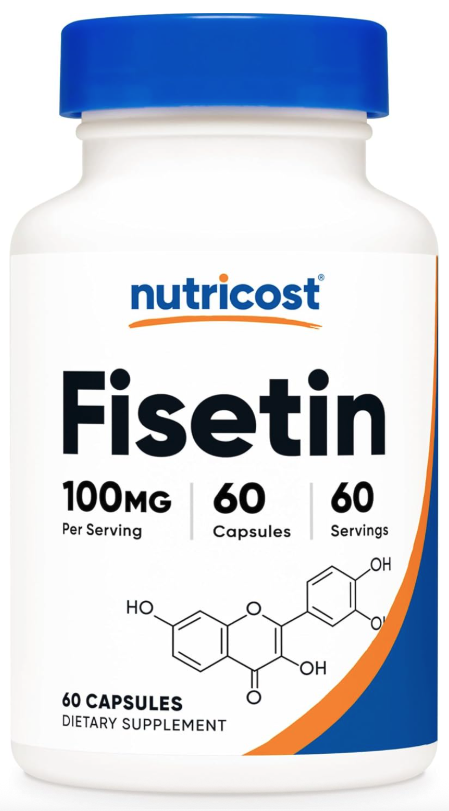
Fisetin is naturally found in foods like strawberries (about 160 mcg/g), apples (26 mcg/g), grapes, and onions, but dietary amounts are often too low to match therapeutic doses used in studies. Supplements, typically available in 100–500 mg capsules, offer a practical way to achieve these levels. However, fisetin’s bioavailability is limited, meaning the body absorbs it less efficiently than other flavonoids. To improve absorption, consider taking supplements with a meal containing healthy fats or choosing formulations designed for enhanced bioavailability. No standard upper limit exists for fisetin, but high doses may cause side effects like digestive upset, so moderation is advised.
While fisetin is generally safe, supplementation requires caution, especially if you take medications like blood thinners, as interactions are possible. There’s no established toxicity threshold, but sticking to recommended doses (typically 100–200 mg daily or intermittent higher doses) minimizes risks. Consult a healthcare professional before starting fisetin supplements, especially if you have health conditions or are pregnant, to ensure safety and proper dosing. Blood tests or dietary assessments can help determine if supplementation is necessary based on your intake and health goals.
Fisetin’s remarkable benefits, from antioxidant protection to potential longevity support, make it a game-changer for health-conscious individuals. Whether through colorful foods or targeted supplementation, this flavonoid can elevate your wellness journey. Take the first step today—consult your doctor or a nutritionist to explore how fisetin fits into your health plan and unlock its full potential.