
Iron is a vital mineral that supports numerous bodily functions, and maintaining adequate levels is essential for overall health. It plays a central role in oxygen transport, energy production, and immune function. Understanding the health benefits of iron and its dietary sources can empower individuals to make informed choices for optimal wellness.
One of the primary benefits of iron is its role in forming hemoglobin, a protein in red blood cells that carries oxygen from the lungs to tissues throughout the body. Without sufficient iron, the body cannot produce enough healthy red blood cells, leading to iron-deficiency anemia. Symptoms of this condition include fatigue, weakness, pale skin, and shortness of breath. Adequate iron intake helps prevent anemia, ensuring the body remains energized and capable of performing daily tasks efficiently.
Iron also supports energy metabolism. It is a component of enzymes involved in the production of ATP, the body’s primary energy currency. Low iron levels can result in reduced energy, making it harder to stay active or focused. Additionally, iron contributes to a healthy immune system by supporting the proliferation of immune cells, which help the body fight infections. It also plays a role in cognitive function, with studies suggesting that iron deficiency may impair memory, attention, and learning, particularly in children and adolescents.
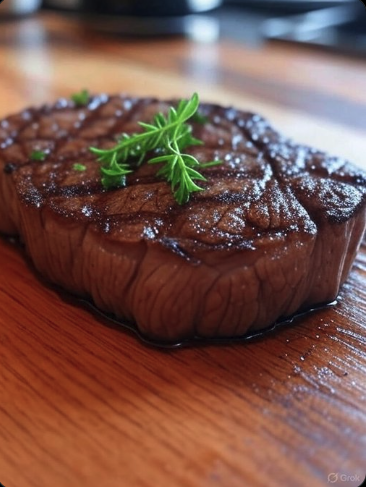
There are two types of dietary iron: heme and non-heme. Heme iron, found in animal-based foods, is more easily absorbed by the body. Excellent sources include red meat (beef, lamb), poultry (chicken, turkey), and fish (salmon, tuna). Organ meats, such as liver, are particularly rich in heme iron. Non-heme iron, found in plant-based foods, is less bioavailable but still valuable, especially when paired with foods that enhance absorption, like those rich in vitamin C. Key sources of non-heme iron include lentils, chickpeas, spinach, kale, fortified cereals, pumpkin seeds, and tofu. For example, a bowl of lentil soup with a side of bell peppers or a spinach salad with citrus dressing can maximize iron uptake.
Iron needs vary by age, sex, and life stage. Adult men typically require about 8 mg per day, while premenopausal women need around 18 mg due to menstrual blood loss. Pregnant women have higher needs, approximately 27 mg daily, to support increased blood volume and fetal development. Vegetarians and vegans may need up to 1.8 times more iron than non-vegetarians because non-heme iron is less efficiently absorbed.
While iron is essential, balance is key. Excessive intake, often from supplements, can lead to toxicity, causing nausea, constipation, or, in severe cases, organ damage. Conversely, absorption can be inhibited by certain foods, such as those high in calcium (dairy) or phytates (whole grains), so timing meals thoughtfully can help. For instance, avoid consuming dairy with iron-rich foods, and consider cooking with cast-iron pans, which can add small amounts of iron to meals.
To ensure you’re meeting your iron needs, incorporate a variety of iron-rich foods into your diet and consult a healthcare provider if you suspect deficiency, especially if you experience persistent fatigue or other symptoms. Blood tests can confirm iron status, and supplements may be recommended under medical guidance. Take charge of your health by prioritizing iron-rich meals and making mindful food choices.