
Podcast
Additional podcasts on Physical Health
Glucosamine and chondroitin, naturally occurring compounds found in cartilage and connective tissues, are celebrated for their synergistic role in supporting joint health, mobility, and overall wellness. Glucosamine, a building block of cartilage, and chondroitin, a key component of the extracellular matrix, work together to maintain joint structure, reduce inflammation, and promote resilience. Widely used as a supplement combination, these compounds are particularly popular among athletes, older adults, and those with joint discomfort from conditions like osteoarthritis. Backed by decades of research, glucosamine and chondroitin offer benefits beyond joints, including potential support for bone health, skin vitality, and inflammation management. Let’s dive into the science-backed advantages of this powerful pair and explore how supplementation can enhance your health and quality of life.
Supporting Joint Health and Mobility
The cornerstone benefit of glucosamine and chondroitin is their ability to support joint health by preserving cartilage and enhancing joint function. Glucosamine stimulates the production of glycosaminoglycans and proteoglycans, essential components of cartilage that provide cushioning and flexibility in joints. Chondroitin attracts water into cartilage, maintaining its elasticity and inhibiting enzymes that break it down, such as collagenase. Clinical trials, including those from the National Institutes of Health, show that a combination of 1500 mg glucosamine and 1200 mg chondroitin daily reduces joint pain and stiffness by 20–25% in individuals with mild to moderate osteoarthritis, particularly in the knees and hips. This duo also improves joint mobility, with studies reporting enhanced walking speed and reduced discomfort during daily activities after 6–12 months of supplementation. For athletes or those with active lifestyles, glucosamine and chondroitin can protect joints from wear and tear, supporting long-term mobility and performance.
Reducing Inflammation and Pain
Glucosamine and chondroitin exhibit anti-inflammatory properties that help alleviate joint pain and reduce systemic inflammation. Glucosamine inhibits pro-inflammatory cytokines like IL-1β and TNF-α, which contribute to cartilage degradation and pain in osteoarthritis. Chondroitin complements this by blocking inflammatory pathways and reducing the activity of matrix metalloproteinases (MMPs), enzymes that erode joint tissue. Research indicates that supplementation with 1500 mg glucosamine and 800–1200 mg chondroitin daily decreases pain scores by up to 30% compared to placebo in osteoarthritis patients, offering a natural alternative to nonsteroidal anti-inflammatory drugs (NSAIDs) with fewer side effects. For those with chronic joint discomfort or inflammatory conditions, this combination can provide relief and improve quality of life, particularly when used consistently over 3–6 months.
Supporting Cartilage Repair and Preservation
Maintaining cartilage integrity is critical for preventing joint degeneration, especially in aging populations or those with repetitive joint stress. Glucosamine promotes cartilage repair by stimulating chondrocyte activity (cartilage-producing cells), while chondroitin slows cartilage breakdown by inhibiting destructive enzymes. Studies using MRI imaging show that long-term supplementation (1–2 years) with glucosamine and chondroitin can slow cartilage loss in knee osteoarthritis by 15–20% compared to placebo. This preservation is crucial for delaying the progression of joint disorders and reducing the need for invasive interventions like joint replacement. For older adults or those with early signs of joint wear, supplementation can be a proactive strategy to maintain joint structure and function.
Enhancing Bone Health
Beyond joints, glucosamine and chondroitin may support bone health by promoting collagen synthesis and reducing bone resorption. Chondroitin’s ability to enhance water retention in connective tissues supports the structural integrity of bone-cartilage interfaces, potentially reducing the risk of osteoporosis. Preliminary studies suggest that glucosamine supplementation (1500 mg daily) increases bone mineral density in animal models, while chondroitin (800–1200 mg) may improve bone turnover markers in postmenopausal women. For those at risk of bone loss—such as older adults or those with low calcium intake—glucosamine and chondroitin supplementation, combined with calcium (1000–1200 mg daily) and vitamin D (800–2000 IU), can fortify skeletal health and reduce fracture risk.
Potential Benefits for Skin and Connective Tissues
Glucosamine’s role in glycosaminoglycan production extends to skin health, where it supports collagen and hyaluronic acid synthesis, enhancing skin hydration and elasticity. Chondroitin’s water-retaining properties further promote skin firmness and reduce signs of aging, such as wrinkles. Small studies indicate that 250–500 mg glucosamine daily improves skin moisture and reduces fine lines over 8–12 weeks, making it a popular ingredient in anti-aging supplements. Additionally, both compounds support connective tissues like tendons and ligaments, benefiting athletes or those recovering from injuries. Supplementation can enhance overall tissue resilience, contributing to a youthful appearance and robust physical function.
Supporting Overall Wellness
Emerging research suggests glucosamine and chondroitin may have broader benefits, including cardiovascular health and inflammation management. Observational studies link glucosamine use (1500 mg daily) to a 15–20% reduced risk of heart disease and stroke, potentially due to its anti-inflammatory effects and ability to lower C-reactive protein (CRP) levels. Chondroitin may also support gut health by reducing intestinal inflammation, benefiting those with conditions like irritable bowel syndrome. While more research is needed, these findings highlight the potential systemic benefits of this duo, making supplementation a versatile tool for holistic wellness.
Incorporating Glucosamine and Chondroitin: Supplementation Strategies
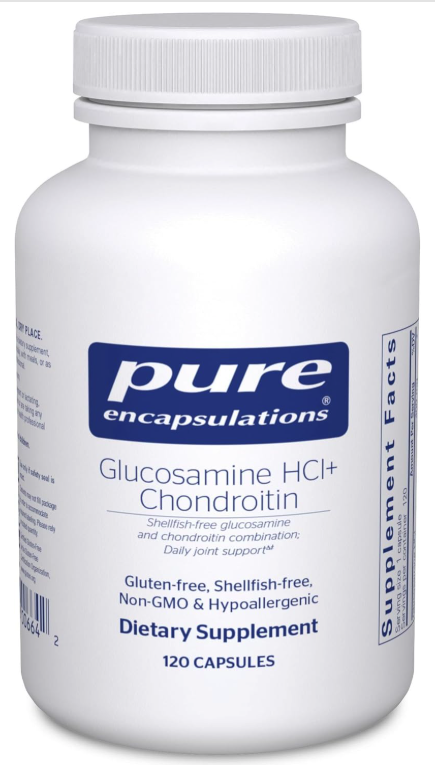
Glucosamine is naturally found in shellfish shells, cartilage, and bone broth, while chondroitin is present in cartilage-rich foods, but dietary sources are insufficient for therapeutic effects. Supplements, available as glucosamine sulfate, glucosamine hydrochloride, or N-acetyl glucosamine (for gut health), are paired with chondroitin sulfate in tablets, capsules, or powders. Standard doses are 1500 mg glucosamine and 800–1200 mg chondroitin daily, often split into 2–3 doses for better absorption. For optimal results, take with meals to reduce stomach upset and pair with vitamin C (500–1000 mg) or MSM (methylsulfonylmethane, 1000–3000 mg) to enhance collagen synthesis and joint support. High-quality brands like Thorne Glucosamine & Chondroitin (1500 mg/1200 mg per serving) or NOW Foods Glucosamine & Chondroitin (750 mg/600 mg per capsule) are third-party tested for purity. For vegetarians, vegan glucosamine (from corn or fungi) is available, though less studied. Consistency is key—benefits often emerge after 8–12 weeks of daily use. For athletes, combine with omega-3 fatty acids (1–2 grams daily) to amplify anti-inflammatory effects or collagen peptides (10–20 grams) for added connective tissue support.
Safety and Considerations
Glucosamine and chondroitin are generally safe, with mild side effects like nausea, diarrhea, or heartburn reported in less than 5% of users. Glucosamine derived from shellfish may trigger allergies, so those with shellfish sensitivities should opt for vegan sources. Chondroitin may have mild blood-thinning effects, so consult a doctor if on anticoagulants like warfarin or aspirin. No official upper limit exists, but doses above 1500 mg glucosamine or 1200 mg chondroitin daily offer diminishing returns. Individuals with diabetes should monitor blood sugar, as glucosamine may slightly affect insulin sensitivity in rare cases. Those with kidney disease, glaucoma, or on chemotherapy should seek medical advice before supplementing. A healthcare provider can assess joint health via imaging or blood tests (e.g., CRP levels) to guide supplementation needs. Always choose third-party-tested products to avoid contaminants or low-potency formulas.
Glucosamine and chondroitin’s remarkable synergy—from preserving joint health and reducing pain to supporting bone strength, skin vitality, and systemic wellness—makes them indispensable for active lifestyles and aging gracefully. Whether you’re managing joint discomfort, enhancing athletic performance, or seeking holistic health, supplementation can transform your journey. Take action today—consult a healthcare provider or nutritionist to explore how glucosamine and chondroitin can fit into your wellness plan and start unlocking their potential for a stronger, healthier you.