

Podcast

Additional podcasts on Physical Health
In today’s fast-paced world, where fad diets and quick fixes dominate the conversation, one fundamental nutrient often gets overlooked: protein. Yet, protein is the building block of life—essential for repairing tissues, building muscle, supporting immune function, producing enzymes and hormones, and maintaining healthy skin, hair, and nails. Without adequate protein, your body breaks down muscle to fuel itself, leading to fatigue, weakened immunity, and accelerated aging. But not all proteins are created equal. In this post, we’ll dive into why eating enough protein is crucial, the key differences between animal and plant sources, recommended daily intakes (tailored by body weight), the heightened needs of older adults, top sources to prioritize, and the role of supplements like whey and casein.
Let’s start with the basics: animal protein versus plant protein. Animal proteins—derived from meat, eggs, dairy, and fish—are complete proteins, meaning they contain all nine essential amino acids your body can’t produce on its own. This makes them highly bioavailable, with digestion rates often exceeding 90%, allowing for efficient absorption and utilization in muscle synthesis and repair. Studies show that animal proteins are particularly effective at supporting lean muscle mass, especially in younger adults, due to their higher anabolic (muscle-building) properties. They also provide additional nutrients like vitamin B12, heme iron, and omega-3 fatty acids, which are harder to obtain from plants.
Plant proteins—from sources like beans, lentils, nuts, and grains—are valuable but often incomplete, lacking one or more essential amino acids. They tend to have lower digestibility (around 70-80%) and require combining different sources (e.g., rice and beans) to form a complete profile. While plant-based diets are linked to lower risks of heart disease, diabetes, and obesity thanks to their fiber and antioxidant content, they may fall short in promoting muscle growth and recovery compared to animal sources. For those focused on performance or preventing age-related decline, animal proteins generally offer a superior edge, though a balanced approach incorporating both can maximize benefits.
How much protein do you actually need? The Recommended Dietary Allowance (RDA) for the average sedentary adult is 0.36 grams per pound of body weight (or 0.8 grams per kilogram). For example, a 150-pound person would aim for about 54 grams daily. However, this is a minimum to prevent deficiency—active individuals, athletes, or those building muscle may need 0.54 to 1 gram per pound (1.2 to 2.2 grams per kilogram) for optimal results. Factors like exercise intensity, goals (e.g., weight loss or gain), and overall calorie intake play a role, but exceeding 1.6 grams per pound is rarely necessary and could strain the kidneys in those with pre-existing issues.
For older adults (typically 50+), protein becomes even more critical. As we age, we experience sarcopenia—a gradual loss of muscle mass and strength that increases fall risk, frailty, and mortality. Older bodies are less efficient at protein synthesis, so requirements rise to 0.45 to 0.72 grams per pound (1 to 1.6 grams per kilogram) to maintain muscle, support bone health, and enhance recovery from illness or injury. Research suggests that hitting 1.2 grams per kilogram daily can help preserve lean mass and improve quality of life, countering the myth that seniors need less protein. Prioritizing animal sources here is key, as their higher leucine content (an amino acid vital for muscle repair) triggers better anabolic responses in aging muscles.
To meet these needs, focus on the best protein sources. For animal-based options, prioritize lean, nutrient-dense choices:
- Eggs: 6 grams per egg, complete protein with vitamins D and B12.
- Poultry (chicken/turkey breast): 25-30 grams per 3-ounce serving, low-fat and versatile.
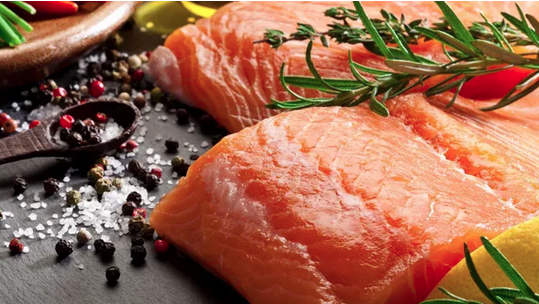
- Fish (salmon, tuna): 20-25 grams per 3-ounce serving, plus heart-healthy omega-3s.
- Lean beef or pork: 22-26 grams per 3-ounce serving, rich in iron and zinc.
- Dairy (Greek yogurt, cottage cheese): 15-20 grams per cup, probiotic benefits included.
- For plant-based alternatives, aim for variety to ensure completeness:
- Lentils and beans: 15-18 grams per cup cooked, fiber-packed.
- Tofu or tempeh: 10-20 grams per 3-ounce serving, soy-based and versatile.
- Nuts and seeds (almonds, chia): 5-7 grams per ounce, with healthy fats.
- Quinoa or edamame: 8-14 grams per cup, complete proteins in plant form.
- Nutritional yeast: 8 grams per 2 tablespoons, B-vitamin boost.
- If whole foods fall short—due to busy schedules, dietary restrictions, or higher needs—supplements can bridge the gap. Whey protein, derived from milk, is a fast-digesting powerhouse (20-25 grams per scoop) ideal for post-workout recovery, as it quickly spikes amino acid levels to fuel muscle repair. Casein, also from milk, digests slowly (over 6-8 hours), providing a steady amino acid release—perfect before bed to combat overnight muscle breakdown. Both are effective, but whey edges out for daytime use, while casein shines for sustained support. Choose high-quality, minimally processed options without added sugars.
In summary, protein isn’t just for bodybuilders—it’s vital for everyone, with animal sources often providing the most efficient path to meeting your needs, especially as you age. Calculate your intake based on body weight, lean toward complete proteins, and don’t hesitate to supplement wisely.
Ready to supercharge your health? Calculate your daily protein needs, stock up on quality sources, and track your progress for a week—your body will thank you with more energy, strength, and vitality.