
Podcast
Additional podcasts on Physical Health
Lion’s mane mushroom, scientifically known as Hericium erinaceus, has been revered in traditional Asian medicine for centuries, often used to support vitality and cognitive function. Resembling a cascading white waterfall or a lion’s flowing mane, this edible fungus grows on hardwood trees and is now gaining popularity in the West as a supplement in forms like powders, capsules, and teas. Beyond its unique appearance and mild, seafood-like flavor, lion’s mane is packed with bioactive compounds such as hericenones and erinacines, which are believed to drive its health-promoting effects. Backed by emerging scientific research, lion’s mane offers potential benefits for brain health, mood, immunity, and more. While more large-scale human studies are needed, the existing evidence is promising for those seeking natural ways to enhance well-being. Let’s explore the key health advantages in depth.
Boosting Brain Health and Cognitive Function
One of the most celebrated benefits of lion’s mane is its potential to support neurological health. The mushroom contains compounds that may stimulate the production of nerve growth factor (NGF), a protein essential for the growth, maintenance, and survival of neurons. This could translate to improved cognitive performance, including better memory, focus, and mental clarity. Studies on older adults have shown that regular consumption of lion’s mane may enhance cognitive scores and reduce mild cognitive impairment, making it a potential ally against age-related decline. For instance, a small clinical trial found that participants taking lion’s mane extract experienced improvements in cognitive function over a 16-week period.
In younger populations, lion’s mane may offer acute benefits for mental processing. Research indicates that even a single dose can improve speed of performance in tasks requiring quick thinking, while chronic use over a month may reduce subjective feelings of stress and irritation. This makes it appealing for students, professionals, or anyone navigating high-stress environments, potentially serving as a natural nootropic to sharpen the mind without the jitters associated with caffeine.
Elevating Mood and Reducing Stress
Lion’s mane isn’t just about cognition— it also shows promise for emotional well-being. Small studies suggest it may help alleviate symptoms of anxiety and depression by modulating brain chemistry and reducing inflammation in the nervous system. In one study involving menopausal women, lion’s mane supplementation led to reduced irritability and anxiety, highlighting its potential role in hormonal and mood regulation. Animal models further support this, showing that lion’s mane extracts can promote antidepressant-like effects by influencing neurotransmitters like serotonin and dopamine.
For those dealing with chronic stress, lion’s mane’s adaptogenic properties may help the body adapt and recover, combating fatigue and promoting sustained energy levels. While human evidence is still building, these findings position lion’s mane as a gentle, natural option for mood support, especially when combined with lifestyle practices like mindfulness or exercise.
Strengthening Immunity and Reducing Inflammation
Lion’s mane is rich in polysaccharides, particularly beta-glucans, which are known to bolster the immune system by activating immune cells like macrophages and natural killer cells. This immune-modulating effect may help the body fend off infections and maintain overall resilience. Preliminary research also points to anti-inflammatory properties, as lion’s mane can inhibit pro-inflammatory cytokines, potentially easing conditions driven by chronic inflammation.
In lab and animal studies, these compounds have shown antioxidant effects, neutralizing free radicals and reducing oxidative stress that contributes to aging and disease. For everyday health, this could mean better protection against common ailments and a more balanced inflammatory response, though more clinical trials are needed to confirm these benefits in humans.
Supporting Gut, Heart, and Metabolic Health
The benefits of lion’s mane extend to the digestive system, where it may promote a healthy gut microbiome. Its prebiotic fibers can nourish beneficial bacteria, aiding digestion and potentially reducing symptoms of gastrointestinal issues like ulcers or inflammatory bowel conditions. Animal studies have demonstrated that lion’s mane extracts can protect the stomach lining and accelerate healing of gastric injuries.
On the cardiovascular front, lion’s mane may help regulate blood sugar levels, making it beneficial for metabolic health and diabetes management. It has also been linked to lowering high blood pressure and improving lipid profiles by reducing cholesterol and triglycerides in obese models. These effects contribute to heart health, potentially decreasing the risk of cardiovascular diseases over time.
Emerging research even hints at anti-cancer potential, with compounds in lion’s mane showing inhibitory effects on tumor growth in lab settings, though this is far from conclusive for human applications.
Safety and Practical Considerations
Lion’s mane is generally considered safe for most people, with few reported side effects— mild digestive upset or allergic reactions in rare cases. It’s well-tolerated and hasn’t been associated with liver toxicity in studies. However, pregnant or breastfeeding individuals, those on medications, or people with mushroom allergies should consult a healthcare provider before use. Typical dosages range from 1-3 grams per day of extract, but starting low and monitoring your response is advisable.
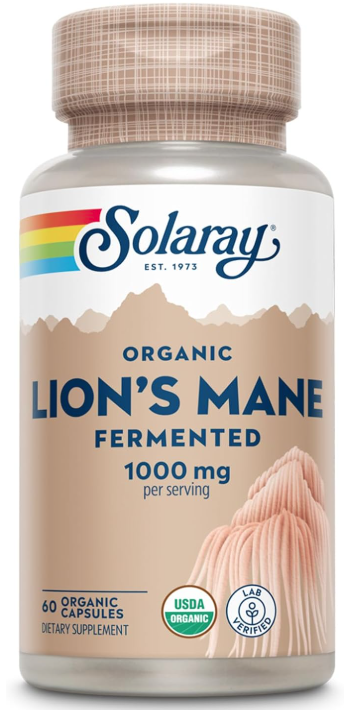
Incorporating lion’s mane into your routine is easy— add it to coffees, smoothies, or meals for a subtle umami boost, or opt for supplements from reputable brands to ensure purity and potency.
Whether you’re aiming to sharpen your mind, lift your spirits, or fortify your body, lion’s mane mushroom offers a fascinating blend of ancient wisdom and modern science. Ready to experience its benefits? Consult your healthcare professional to see if it’s right for you, and consider adding this powerhouse fungus to your wellness arsenal today.