
Podcast
Additional podcasts on Physical Health
Luteolin, a vibrant flavonoid found in everyday foods like celery, parsley, green peppers, thyme, and chamomile tea, is rapidly gaining recognition as a nutritional powerhouse with transformative health benefits. Renowned for its anti-inflammatory, antioxidant, neuroprotective, and potential anti-cancer properties, luteolin is a versatile compound that supports whole-body wellness. While naturally present in certain plant-based foods, its therapeutic potential is often amplified through supplementation, making it an accessible tool for those seeking to combat chronic inflammation, enhance brain health, support metabolic balance, and promote longevity. Backed by a growing body of scientific research, luteolin offers a science-driven approach to optimizing health. Let’s dive deep into its remarkable benefits and discover how you can harness its power through diet and supplementation to elevate your wellness journey.
A Powerhouse Antioxidant for Cellular Defense
Luteolin’s cornerstone benefit is its potent antioxidant activity, which neutralizes free radicals—unstable molecules produced by stress, pollution, or metabolism—that cause oxidative stress, a key driver of aging, cancer, and chronic diseases like heart disease and neurodegenerative disorders. By protecting DNA, proteins, and lipids from oxidative damage, luteolin supports cellular integrity and promotes long-term health. This antioxidant prowess is particularly vital for cardiovascular health, where luteolin helps prevent LDL cholesterol oxidation, reduces arterial inflammation, and supports blood vessel function, potentially lowering the risk of atherosclerosis and heart disease. Supplementation can enhance these effects, with studies using doses of 50–200 mg daily to boost antioxidant enzymes like superoxide dismutase (SOD) and glutathione peroxidase (GSH-Px), offering a targeted approach for those with high oxidative stress or cardiovascular risk factors. For individuals exposed to environmental toxins or seeking cellular protection, luteolin supplementation provides a powerful shield.
Taming Chronic Inflammation
Chronic inflammation underlies many modern health issues, from arthritis and diabetes to heart disease and neurological disorders. Luteolin excels as an anti-inflammatory agent by inhibiting pro-inflammatory cytokines like IL-6, TNF-α, and IL-1β, which drive systemic inflammation. This makes it a promising natural remedy for managing inflammatory conditions such as rheumatoid arthritis, inflammatory bowel disease, or even exercise-induced muscle soreness. Research suggests luteolin’s anti-inflammatory effects extend to reducing pain and swelling in affected tissues, improving quality of life for those with chronic conditions. Supplementation at 100–200 mg daily has been studied for its ability to lower inflammation markers, offering a more concentrated approach than dietary sources alone, especially for individuals with elevated inflammation due to lifestyle or health conditions. By calming inflammation, luteolin lays a foundation for resilience against a range of chronic diseases.
Protecting Brain Health and Cognitive Function
Luteolin is a standout for brain health, thanks to its ability to cross the blood-brain barrier and exert neuroprotective effects. It shields neurons from oxidative stress and inflammation, both implicated in neurodegenerative diseases like Alzheimer’s, Parkinson’s, and multiple sclerosis. Luteolin’s anti-apoptotic properties help prevent neuronal cell death, while its ability to modulate neurotransmitters like GABA and glutamate supports cognitive function and mood regulation. Emerging research highlights luteolin’s potential as a natural antidepressant, with studies suggesting it can reduce symptoms of anxiety and depression by balancing brain chemistry and reducing neuroinflammation. It may also improve memory and learning by enhancing synaptic plasticity, making it a promising ally for cognitive health. Supplementation at 100–200 mg daily is being explored for these neuroprotective benefits, particularly for older adults or those at risk of cognitive decline, though human studies are still evolving. For those seeking mental clarity, mood support, or long-term brain health, luteolin supplementation offers a targeted approach to nurture cognitive vitality.
Supporting Metabolic and Cardiovascular Health
Luteolin plays a significant role in metabolic health, with research indicating it can improve insulin sensitivity and regulate blood sugar levels, potentially reducing the risk of type 2 diabetes. In individuals with type 2 diabetes, higher dietary luteolin intake is associated with lower all-cause and cardiac mortality, underscoring its protective effects on cardiovascular health. Luteolin also supports heart health by reducing vascular inflammation and improving endothelial function, which enhances blood flow and lowers blood pressure. Additionally, luteolin protects the liver by mitigating oxidative damage and supporting detoxification processes, which is crucial for metabolic balance. Supplementation at 50–200 mg daily has been studied for these metabolic and cardiovascular benefits, boosting antioxidant enzyme activity and reducing inflammation markers in individuals with metabolic syndrome or prediabetes. For those aiming to optimize metabolism or support heart health, luteolin supplementation can provide a concentrated boost to complement a healthy diet.
Anti-Cancer, Antimicrobial, and Antiallergic Potential
Luteolin’s benefits extend to promising areas like cancer prevention, antimicrobial activity, and allergy relief. Research suggests it may inhibit tumor growth, induce apoptosis (programmed cell death) in cancer cells, and suppress cancer cell proliferation, with potential benefits for cancers like prostate, breast, and colon. A study found that 50 mg daily supplementation was safe and showed preliminary efficacy in slowing prostate cancer progression over six months. Luteolin’s antimicrobial properties include antiviral and antibacterial effects, with some studies exploring its potential against pathogens like SARS-CoV-2, though human data is limited. As an antiallergic agent, luteolin stabilizes mast cells to reduce histamine release, alleviating symptoms of allergies, asthma, or gastrointestinal issues like irritable bowel syndrome. Supplementation at 50–100 mg daily may enhance these effects, offering relief for allergy sufferers or those seeking to bolster immunity against infections. While more human research is needed, luteolin’s multifaceted properties make it a compelling candidate for holistic health support.
Incorporating Luteolin: Diet and Supplementation
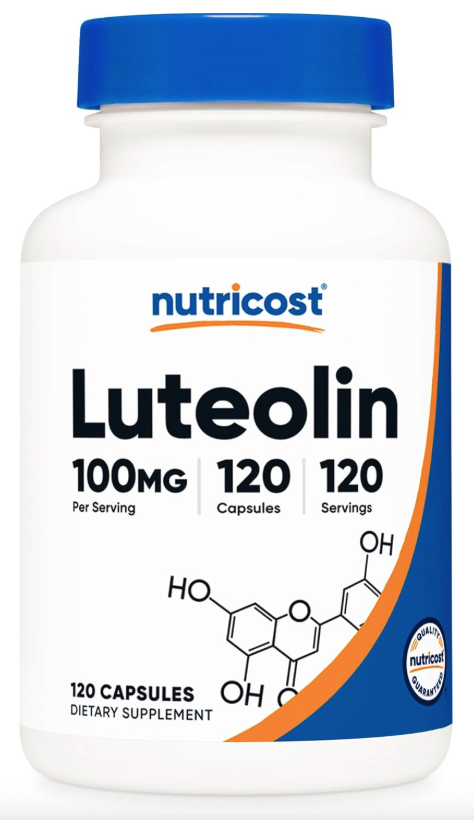
Luteolin is found in foods like celery (up to 10 mg/100g), parsley, thyme, chamomile tea, green peppers, carrots, and olive oil, but dietary amounts are typically low (1–10 mg per serving), making it challenging to achieve therapeutic doses through food alone. Supplementation is an effective way to reach the levels used in studies, with luteolin available in capsules or tablets, often derived from peanut hulls, perilla seeds, or chrysanthemum flowers, at doses of 50–200 mg. Luteolin’s bioavailability can be limited, but taking it with a meal containing healthy fats may improve absorption, as it is fat-soluble. Common supplement doses range from 50–100 mg for general health or antiallergic effects to 100–200 mg for anti-inflammatory, neuroprotective, or metabolic benefits. Advanced formulations, such as liposomal luteolin, may further enhance bioavailability, though these are less common. Pairing luteolin with other flavonoids like quercetin or vitamin C may synergistically boost its effects, particularly for immune or anti-inflammatory support.
Safety and Considerations
Luteolin is generally considered safe at studied doses (50–200 mg daily), with no established upper limit, but long-term safety data is limited, and the FDA does not approve it for medical use. Mild side effects, such as digestive upset or headaches, may occur, particularly at higher doses. Luteolin may interact with medications metabolized by the liver or those affecting hormone pathways, so caution is needed for individuals with hormone-sensitive conditions (e.g., breast cancer) or those on drugs like blood thinners. Supplement quality is a concern—cheap products claiming 100 mg may contain low-purity luteolin, so choose reputable brands with third-party testing. Pregnant or breastfeeding women, those with chronic illnesses, or individuals on medications should consult a healthcare provider before supplementing. A dietary assessment or health evaluation can help determine if supplementation is necessary, especially for those with low intake or specific health goals like inflammation reduction or cognitive support.
Your Journey to Vibrant Wellness
Luteolin’s extraordinary versatility—from combating inflammation and oxidative stress to protecting brain and heart health, supporting metabolism, and offering potential anti-cancer and antiallergic benefits—makes it an essential tool for anyone striving for optimal wellness. Whether you enjoy luteolin-rich foods like celery and chamomile tea or opt for targeted supplementation, this flavonoid offers a science-backed path to vitality. Don’t wait to unlock its potential—consult your doctor or a nutritionist today to explore how luteolin can fit into your personalized health plan and start your journey to a stronger, healthier, and more vibrant you.