
Podcast
Additional podcasts on Physical Health
Green tea, sourced from the unoxidized leaves of the Camellia sinensis plant, has been a staple in traditional Asian medicine for over 4,000 years, revered for its calming yet invigorating effects. This nutrient-dense beverage is packed with bioactive compounds, including catechins (notably epigallocatechin gallate or EGCG), polyphenols, flavonoids, and amino acids like L-theanine, which synergistically contribute to its health-promoting properties. From enhancing metabolic function and cardiovascular health to bolstering cognitive performance and immune resilience, green tea’s benefits are supported by thousands of scientific studies. For individuals sensitive to caffeine—such as those with anxiety, sleep issues, or heart conditions—decaffeinated green tea extract serves as an excellent substitute, preserving up to 90% of the original catechins and antioxidants through gentle processing methods like supercritical CO2 extraction or water-based decaffeination. Whether enjoyed as a warm brew, iced infusion, or in supplement form, green tea and its decaffeinated extract can be seamlessly integrated into daily routines. This post delves deeper into the evidence-based advantages, with an expanded focus on supplementation strategies, to help you harness their full potential for optimal wellness.
A Robust Antioxidant Arsenal Against Oxidative Stress
At the core of green tea’s health benefits is its exceptional antioxidant capacity, which combats free radicals—unstable molecules from environmental toxins, UV radiation, and metabolic processes—that accelerate aging and contribute to chronic illnesses such as cancer, diabetes, and neurodegenerative disorders. EGCG, the most abundant catechin, scavenges these radicals, protecting cellular DNA, proteins, and lipids from damage and supporting the body’s natural detoxification pathways. Regular green tea intake has been associated with reduced markers of oxidative stress, such as malondialdehyde (MDA), and increased levels of protective enzymes like SOD and GSH-Px. Decaffeinated green tea extract retains this potency, as advanced decaffeination techniques minimize catechin loss, ensuring comparable antioxidant activity without the caffeine content (typically reduced to less than 1%). In clinical trials, decaffeinated extracts have demonstrated enhanced fat oxidation during exercise, improved insulin sensitivity, and reduced inflammation, making them suitable for caffeine-avoidant populations like pregnant women or those with hypertension. For broader antioxidant support, pairing green tea extract with vitamin C or E can synergize effects, as vitamin C regenerates oxidized EGCG, prolonging its activity in the body. Individuals in high-stress environments or with inflammatory conditions may benefit from this antioxidant shield to promote cellular longevity.
Fortifying Cardiovascular Health
Green tea’s cardiovascular advantages are well-documented, with meta-analyses linking 3–5 cups daily to a 20–30% reduced risk of heart attacks and strokes. Catechins like EGCG inhibit cholesterol absorption in the gut, lower LDL oxidation, and enhance nitric oxide production, which dilates blood vessels, improves endothelial function, and reduces blood pressure. This anti-atherosclerotic action helps prevent plaque buildup in arteries, supporting overall circulatory health. Decaffeinated green tea extract delivers these benefits without elevating heart rate, as evidenced by studies showing improvements in plasma glucose, insulin, and inflammatory markers in overweight adults after 4–8 weeks of supplementation. For enhanced cardiovascular protection, consider combining decaffeinated extract with omega-3 fatty acids (e.g., 1–2 grams EPA/DHA daily) to further reduce triglycerides and inflammation, or with coenzyme Q10 (100–200 mg daily) to support mitochondrial function in heart cells. Those with high cholesterol or family history of heart disease can use this as a preventive strategy, potentially alongside lifestyle changes like exercise.
Enhancing Brain Function and Mood
The synergy of L-theanine and catechins in green tea promotes a state of relaxed alertness, increasing alpha brain waves for improved focus and creativity without jitters. EGCG’s neuroprotective properties shield neurons from oxidative stress and beta-amyloid plaques, potentially delaying cognitive decline in conditions like Alzheimer’s. Population studies correlate higher green tea intake with lower rates of dementia and better memory retention in aging adults. Decaffeinated extract preserves these cognitive perks, with research indicating it enhances working memory and attention in young adults at doses of 200–400 mg EGCG daily. To amplify brain benefits, stack decaffeinated green tea extract with phosphatidylserine (100–300 mg daily) for stress reduction or lion’s mane mushroom extract (1–3 grams daily) for neurotrophic support, promoting nerve growth factor (NGF) production. This combination is ideal for students, professionals, or seniors seeking mental acuity without caffeine overload.
Boosting Metabolism and Weight Management
Green tea accelerates metabolism by 3–4% through thermogenesis and fat oxidation, with EGCG inhibiting catechol-O-methyltransferase (COMT), an enzyme that breaks down fat-burning hormones. Clinical trials show modest weight loss (1–3 kg over 12 weeks) with 200–500 mg EGCG daily, especially when combined with exercise. Decaffeinated extract matches this efficacy, as demonstrated in studies where it increased fat oxidation during moderate exercise and improved body composition in recreationally active individuals. For optimal results, pair with glucomannan (1–3 grams daily before meals) for appetite control or chromium picolinate (200–400 mcg daily) to stabilize blood sugar, enhancing green tea’s insulin-sensitizing effects. This regimen supports sustainable weight management for those with metabolic syndrome or sedentary lifestyles.
Potential in Cancer Prevention and Other Benefits
Green tea’s polyphenols exhibit anti-carcinogenic properties by inducing apoptosis in cancer cells, inhibiting angiogenesis (tumor blood supply), and modulating gene expression. Observational data links 5+ cups daily to 20–30% lower risks of breast, prostate, and colorectal cancers. Decaffeinated extracts maintain these effects, offering a safe option for long-term use. Additionally, green tea aids liver detoxification by upregulating phase II enzymes and protects skin from UV-induced damage, reducing wrinkles and hyperpigmentation. For immune support, combine with quercetin (500–1000 mg daily) to enhance antiviral activity, or with curcumin (500–2000 mg daily, with piperine for absorption) for amplified anti-inflammatory benefits.
Incorporating Green Tea and Advanced Supplementation Strategies
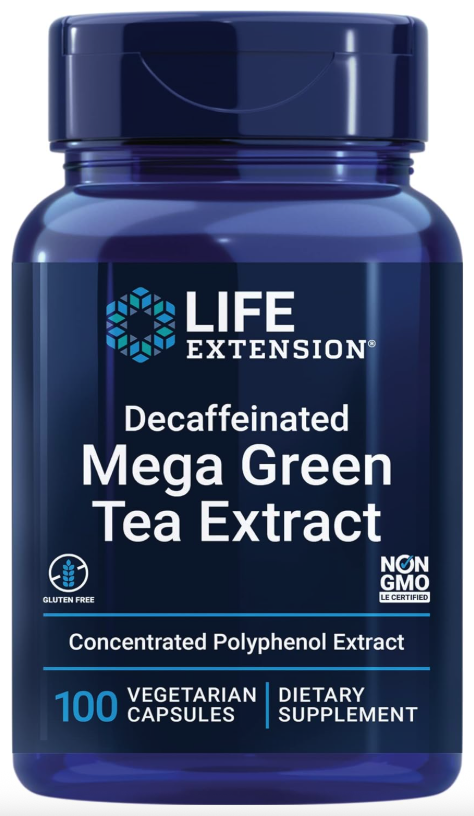
Enjoy green tea by steeping 1–2 teaspoons of leaves in hot (not boiling) water for 2–3 minutes to preserve catechins, aiming for 2–5 cups daily (200–500 mg catechins). For supplementation, decaffeinated green tea extracts come in various forms: standard capsules (200–500 mg, 40–50% EGCG), phytosome complexes (e.g., GreenSelect® Phytosome, 100–200 mg for 2x better absorption), or liposomal formulations (100–300 mg for enhanced bioavailability). Recommended doses: 200–400 mg EGCG daily for general health; 400–800 mg for weight loss or metabolic support; up to 1000 mg for targeted benefits like neuroprotection, split into 2–3 doses with meals to boost absorption (fat-soluble catechins pair well with healthy fats). High-quality options include NOW Foods EGCG (400 mg capsules, 98% caffeine-free) or Life Extension Mega Green Tea Extract (725 mg, decaffeinated with 326 mg EGCG), both third-party tested for purity. To optimize bioavailability, consider micronized or phospholipid-bound forms, or co-administer with piperine (5–10 mg from black pepper extract) to inhibit glucuronidation and extend catechin circulation. Avoid taking with iron supplements, as catechins can chelate minerals; space doses 2 hours apart. For synergistic stacks, add resveratrol (100–250 mg daily) for amplified anti-aging effects or caffeine-free matcha extract (rich in L-theanine) for calm focus.
Safety, Considerations, and Potential Interactions
Green tea is safe for most at 3–5 cups daily, but high doses (over 800 mg EGCG) may cause nausea, headaches, or rare liver enzyme elevations. Decaffeinated extracts minimize caffeine risks but may interact with beta-blockers (reducing efficacy), cholesterol drugs, or anticoagulants (enhancing effects due to vitamin K content). EFSA guidelines suggest up to 800 mg EGCG daily as safe, but monitor liver function with prolonged high-dose use. Pregnant individuals should limit to 2 cups daily; consult for extracts. Always choose reputable brands to avoid contaminants.
Green tea and decaffeinated extract’s profound benefits make them indispensable for vitality. Take the first step—consult a healthcare professional to tailor supplementation to your needs and embrace this natural powerhouse today.