
Podcast
Additional podcasts on Physical Health
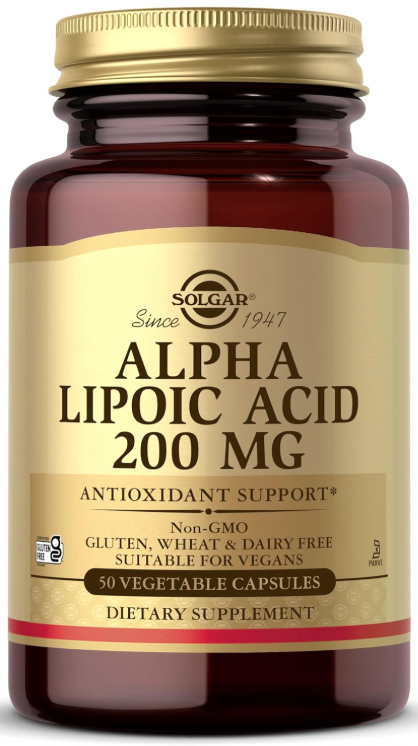
Alpha lipoic acid (ALA), also known as lipoic acid, is a naturally occurring compound produced in small amounts by the body and found in foods like spinach, broccoli, potatoes, and organ meats such as liver and kidney. Unlike many antioxidants that are either water-soluble or fat-soluble, ALA is both, allowing it to work throughout the body in diverse environments, from cell membranes to the bloodstream. As a supplement, typically available in doses of 300-600 mg, ALA has garnered attention for its potent antioxidant properties and potential therapeutic roles in various health conditions. Backed by a growing body of scientific research, including preclinical studies and clinical trials, ALA may help combat oxidative stress—a key driver of aging and chronic diseases—while supporting metabolic, neurological, and cardiovascular health. While more large-scale human studies are needed to fully confirm its efficacy, the evidence so far is compelling for those seeking natural ways to enhance wellness. Let’s delve into the key benefits and how ALA could fit into your health routine.
Combating Oxidative Stress and Supporting Cellular Health
At its core, ALA functions as a powerful antioxidant, neutralizing free radicals and regenerating other antioxidants like vitamins C and E, glutathione, and coenzyme Q10. This recycling ability amplifies the body’s defense against oxidative damage, which contributes to inflammation, cellular aging, and chronic illnesses. Preclinical research in animal models demonstrates that ALA and its reduced form, dihydrolipoic acid (DHLA), can scavenge reactive oxygen species, chelate metals, and modulate gene expression to protect cells from harm. This foundational benefit underpins many of ALA’s applications, making it a versatile supplement for overall vitality and resilience against environmental stressors like pollution or poor diet.
Enhancing Blood Sugar Control and Diabetes Management
One of the most well-researched areas for ALA is its role in metabolic health, particularly for individuals with diabetes or insulin resistance. ALA has been shown to improve insulin sensitivity, reduce blood sugar levels, and enhance glucose uptake in cells, potentially lowering the risk of complications associated with high blood sugar. Clinical studies indicate that ALA supplementation can decrease fasting blood glucose and HbA1c levels, markers of long-term blood sugar control, in people with type 2 diabetes. For instance, it may mimic insulin’s effects by activating signaling pathways that promote glucose transport, offering a natural adjunct to conventional treatments. This makes ALA particularly appealing for those managing prediabetes or metabolic syndrome, where oxidative stress exacerbates insulin dysfunction.
Alleviating Nerve Pain and Supporting Neurological Health
ALA is widely used for diabetic neuropathy, a common complication involving nerve damage that causes pain, tingling, and numbness, especially in the extremities. As a supplement, it’s approved in some countries like Germany for this purpose, with studies showing it can reduce symptoms by improving nerve function and reducing oxidative damage to neurons. Research highlights ALA’s ability to enhance blood flow to nerves, regenerate nerve tissue, and modulate inflammatory pathways, leading to significant pain relief in clinical trials. Beyond diabetes, preclinical evidence suggests ALA may protect the brain from oxidative stress-related conditions, such as cognitive decline or neurodegenerative diseases, by supporting neuronal repair and reducing inflammation. This positions ALA as a promising nootropic for brain health, potentially aiding memory and focus in aging populations.
Promoting Weight Loss and Metabolic Efficiency
Emerging evidence links ALA to weight management, particularly in overweight or obese individuals. Studies suggest that ALA supplementation can lead to modest reductions in body weight and body mass index (BMI) by improving mitochondrial function—the powerhouses of cells responsible for energy production—and enhancing fat metabolism. In one review of clinical trials, participants taking ALA experienced greater weight loss compared to placebo groups, possibly due to its effects on appetite regulation and energy expenditure. Combined with a healthy diet and exercise, ALA may amplify fat-burning processes and support sustainable weight control, making it a valuable addition for those pursuing fitness goals.
Reducing Inflammation and Boosting Immune Function
Chronic inflammation underlies many diseases, and ALA’s anti-inflammatory properties offer broad protective effects. It inhibits pro-inflammatory cytokines and pathways like NF-kB, while promoting anti-inflammatory responses, which can help in conditions ranging from arthritis to autoimmune disorders. Research also points to ALA’s role in immune modulation, enhancing the body’s defenses against infections and oxidative insults. For skin health, topical and oral ALA may reduce signs of aging by protecting against UV-induced damage and promoting collagen production, though more studies are needed in this area.
Supporting Heart and Liver Health
ALA shows cardioprotective potential by improving lipid profiles—lowering LDL cholesterol and triglycerides—while reducing atherosclerosis risk through antioxidant actions on blood vessels. Studies in animal models and humans suggest it may help prevent or mitigate damage from heart attacks by enhancing energy metabolism in cardiac cells and reducing reperfusion injury. For liver health, ALA’s detoxifying effects make it beneficial for conditions like non-alcoholic fatty liver disease or alcohol-induced damage, as it supports liver regeneration and reduces oxidative stress in hepatic tissues.
Safety, Dosage, and Practical Tips
ALA is generally safe for most adults, with side effects like mild nausea, rash, or low blood sugar being rare and dose-dependent. Those with diabetes should monitor blood sugar closely, as ALA may enhance insulin effects, and pregnant or breastfeeding individuals should consult a doctor. Typical supplemental doses range from 300-600 mg daily, often divided, and it’s best taken on an empty stomach for optimal absorption. Combining ALA with other antioxidants or vitamins can enhance its benefits, as seen in studies where it synergizes with nutrients for improved outcomes.
From bolstering blood sugar balance to shielding nerves and supporting heart health, alpha lipoic acid emerges as a multifaceted supplement with science-backed potential to elevate your well-being. Whether you’re managing a chronic condition or simply aiming for proactive health, ALA could be a worthwhile addition.
Ready to harness the benefits of alpha lipoic acid? Consult your healthcare provider to determine if it’s suitable for you, and consider incorporating this antioxidant powerhouse into your daily regimen today.