
Podcast
Additional podcasts on Physical Health
Electrolytes—essential minerals like sodium, potassium, magnesium, calcium, and chloride—are the unsung heroes of physiological balance, orchestrating critical functions from nerve signaling to muscle contraction and hydration. Found in foods like bananas, spinach, avocados, and coconut water, these charged ions maintain fluid balance, support energy production, and optimize physical and mental performance. However, intense exercise, heat, stress, or dietary imbalances can deplete electrolyte levels, leading to fatigue, cramps, and impaired recovery. Electrolyte supplementation offers a targeted solution to restore balance, particularly for athletes, those in hot climates, or individuals with specific health needs. Backed by decades of research from institutions like the National Institutes of Health and sports science journals, electrolyte supplementation can transform hydration and vitality. Let’s dive into the science-backed benefits and explore how to incorporate it into your routine for peak wellness.
Optimizing Hydration and Fluid Balance
Electrolytes, particularly sodium and potassium, regulate fluid balance by controlling water movement in and out of cells. Sodium maintains extracellular fluid volume, while potassium governs intracellular hydration, ensuring cells function optimally. Dehydration from exercise, heat, or illness can disrupt this balance, causing symptoms like dizziness, fatigue, or swelling. Studies show that electrolyte supplementation—typically 500–1000 mg sodium and 200–400 mg potassium per serving—restores hydration 20–30% faster than water alone, especially after sweat loss (1–2 liters per hour during intense activity). For endurance athletes or those in hot environments, electrolyte drinks or tablets (e.g., 1–2 grams total electrolytes per liter of water) prevent dehydration and maintain performance. Supplementation is also crucial for individuals on low-carb or ketogenic diets, which increase electrolyte excretion due to reduced insulin levels. For anyone seeking sustained hydration, electrolyte supplements are a game-changer, ensuring fluid balance under demanding conditions.
Enhancing Muscle Function and Preventing Cramps
Electrolytes, especially calcium, magnesium, and potassium, are essential for muscle contraction and relaxation. Calcium triggers muscle fibers to contract, while magnesium and potassium facilitate relaxation, preventing spasms and cramps. Research in sports science journals indicates that low electrolyte levels—particularly magnesium (below 1.8 mg/dL in blood) or potassium (below 3.5 mmol/L)—increase cramp risk by 15–20% during prolonged exercise. Supplementation with 200–400 mg magnesium and 300–600 mg potassium daily reduces cramp frequency and severity in athletes and older adults. Sodium (500–1500 mg per liter of fluid) is critical during endurance events to replace sweat losses, preventing exercise-associated hyponatremia (low blood sodium). For athletes, manual laborers, or those prone to cramps, electrolyte supplementation—via powders, tablets, or gels—maintains muscle function and supports uninterrupted performance.
Boosting Energy and Reducing Fatigue
Electrolytes support cellular energy production by facilitating nerve impulses and maintaining pH balance, which optimizes metabolic efficiency. Sodium-potassium pumps in cell membranes generate electrical gradients essential for nerve signaling and ATP production, the body’s energy currency. Low electrolyte levels, especially magnesium (a cofactor in over 300 enzymatic reactions), can lead to fatigue, weakness, and reduced stamina. Studies show that supplementing with 250–500 mg magnesium daily improves energy levels and exercise performance by 10–15% in deficient individuals. Potassium and sodium also stabilize blood pressure and oxygen delivery, reducing perceived exertion during workouts. For those with chronic fatigue, high stress, or intense training schedules, electrolyte supplementation—often combined with B vitamins (e.g., 100–200% RDA)—can sustain energy and combat burnout.
Supporting Cardiovascular Health
Electrolytes regulate heart rhythm and blood pressure, critical for cardiovascular health. Potassium counteracts sodium’s blood pressure-raising effects, with studies showing that 3000–4700 mg daily lowers systolic blood pressure by 4–7 mmHg in hypertensive individuals. Magnesium supports heart muscle relaxation, reducing arrhythmia risk, while calcium ensures proper cardiac contractions. Research indicates that electrolyte imbalances, such as low potassium (hypokalemia) or magnesium (hypomagnesemia), increase cardiovascular event risk by 10–15%. Supplementation with 200–400 mg magnesium and 500–1000 mg potassium daily can stabilize heart function, particularly for those with low dietary intake or diuretic use. For heart health maintenance, electrolyte supplements provide a targeted approach, especially when paired with omega-3 fatty acids (1–2 grams daily) for added anti-inflammatory benefits.
Enhancing Cognitive Function and Mood
Electrolytes, particularly magnesium and potassium, support brain health by regulating nerve signaling and neurotransmitter release. Magnesium enhances synaptic plasticity, improving memory and learning, while potassium stabilizes neuronal membranes, reducing irritability. Low magnesium levels (below 1.8 mg/dL) are linked to increased anxiety and depression risk, with supplementation at 250–500 mg daily improving mood scores by 10–20% in clinical trials. Electrolyte imbalances can also cause brain fog or confusion, especially during dehydration. For students, professionals, or those under stress, electrolyte supplementation—combined with hydration (2–3 liters water daily)—can sharpen focus and emotional resilience, making it a vital tool for cognitive wellness.
Supporting Recovery and Immune Health
Electrolytes aid post-exercise recovery by replenishing losses and reducing inflammation. Sodium and chloride restore fluid balance, while magnesium reduces muscle soreness and oxidative stress. Studies show that electrolyte supplementation (1–2 grams total per liter) post-workout speeds recovery by 15–20%, enhancing muscle repair and reducing DOMS. Magnesium also supports immune function by regulating cytokine production, with 250–400 mg daily reducing infection risk in active populations. For those recovering from illness or intense training, electrolyte supplements paired with vitamin C (500–1000 mg) or zinc (15–30 mg) amplify immune and recovery benefits.
Incorporating Electrolyte Supplementation: Strategies and Options
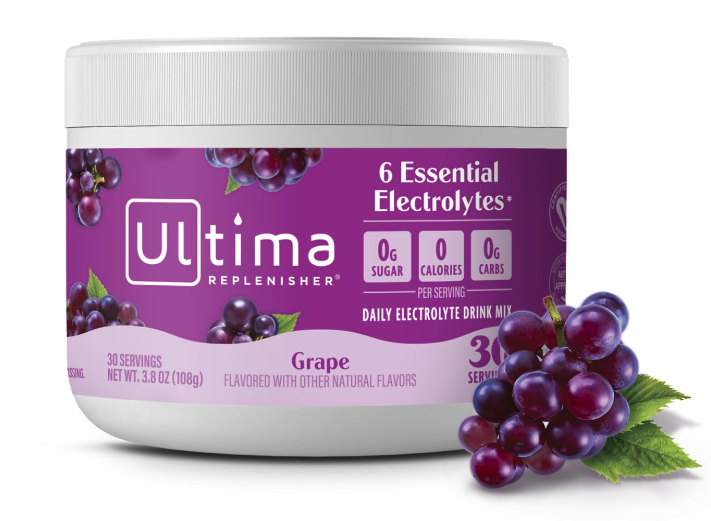
Electrolytes are found in foods like bananas (400 mg potassium), avocados (700 mg potassium), spinach (150 mg magnesium per cup), and salted nuts (200–300 mg sodium). However, supplementation is often necessary for athletes, those in hot climates, or individuals on restrictive diets. Common forms include powders (e.g., LMNT, Nuun), tablets (e.g., SaltStick), or liquid drops, delivering 500–1500 mg sodium, 200–600 mg potassium, 100–400 mg magnesium, and 100–200 mg calcium per serving. For exercise, consume 1–2 grams total electrolytes per liter of water during or after activity; for daily maintenance, 500–1000 mg sodium and 200–300 mg magnesium suffice. Timing matters: take pre-workout for performance, post-workout for recovery, or throughout the day for low-carb dieters. Sugar-free options are ideal, but some include glucose (4–8 grams) for glycogen replenishment. Pair with 2–3 liters of water daily and avoid taking with high-fiber meals to optimize absorption. Brands like LMNT Recharge (1000 mg sodium, 200 mg potassium, 60 mg magnesium) or DripDrop (280 mg sodium, 700 mg potassium) are third-party tested for purity.
Safety and Considerations
Electrolyte supplements are safe for most at recommended doses, but excess sodium (above 2300 mg daily) can raise blood pressure in sensitive individuals, while high magnesium (above 350 mg) may cause diarrhea. The tolerable upper intake level (UL) for magnesium is 350 mg from supplements, with no UL for sodium or potassium due to dietary variability. Those with kidney disease, heart conditions, or on medications like diuretics or ACE inhibitors should consult a doctor, as electrolyte imbalances can exacerbate these conditions. Blood tests (e.g., serum magnesium, potassium) can assess needs, especially for chronic supplementation. Avoid overuse in sedentary settings to prevent fluid retention or hyperkalemia.
Electrolyte supplementation’s transformative benefits—from optimizing hydration and muscle function to boosting energy, heart health, and cognition—make it essential for active lifestyles and beyond. Whether you’re an athlete, in a hot climate, or managing health challenges, electrolytes can elevate your vitality. Take action today—consult a healthcare provider or nutritionist to tailor electrolyte supplementation to your needs and start unlocking its potential for a stronger, healthier you.