
Podcast
Have you ever wondered what keeps your body running like a well-oiled machine, powering everything from your morning jog to your late-night thoughts? The answer lies deep within your cells: mitochondria. Often called the “powerhouses of the cell,” these tiny organelles are essential for life, and understanding them can unlock new levels of health and energy. In this post, we’ll dive into what mitochondria are, the critical roles they play in your body, and practical do’s and don’ts to keep them thriving. By the end, you’ll have actionable steps to boost your mitochondrial health and feel more vibrant every day.
What Are Mitochondria?
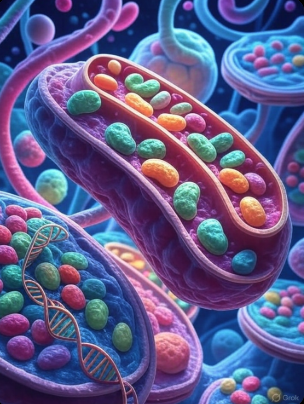
Mitochondria are specialized structures found inside nearly every cell in your body, except for red blood cells. They’re not just passive components—they’re dynamic, bean-shaped organelles with their own DNA, separate from the DNA in your cell’s nucleus. This unique genetic makeup hints at their evolutionary origins; scientists believe mitochondria evolved from ancient bacteria that formed a symbiotic relationship with early eukaryotic cells billions of years ago. Today, they number anywhere from a few to thousands per cell, depending on the cell’s energy demands—muscle cells and neurons, for instance, are packed with them.
At their core, mitochondria act as energy factories. They take the nutrients from the food you eat—sugars, fats, and proteins—and combine them with oxygen through a process called cellular respiration. This generates adenosine triphosphate (ATP), the molecule that fuels virtually all cellular activities. But mitochondria aren’t one-trick ponies; they’re involved in much more, making them indispensable for overall health.
The Role of Mitochondria in the Body
Mitochondria’s primary job is energy production, converting about 90% of the food you consume into usable ATP through the electron transport chain in their inner membranes. Without this, your cells couldn’t perform basic functions like contracting muscles, transmitting nerve signals, or repairing tissues. In fact, high-energy organs like the heart, brain, and liver rely heavily on mitochondrial efficiency to function optimally.
Beyond energy, mitochondria regulate calcium levels in cells, which is crucial for muscle contraction, hormone secretion, and cell signaling. They also play a key role in apoptosis, or programmed cell death, helping to eliminate damaged or unnecessary cells to prevent issues like cancer. Additionally, mitochondria influence metabolism by oxidizing fats and carbohydrates, and they’re involved in producing heat to maintain body temperature.
When mitochondria falter—due to aging, toxins, or genetic factors—it can lead to widespread problems. Mitochondrial dysfunction is linked to conditions like chronic fatigue, neurodegenerative diseases (such as Parkinson’s and Alzheimer’s), diabetes, and even accelerated aging. They also contribute to oxidative stress, where excess free radicals damage cells, underscoring their role in long-term health and vitality. Healthy mitochondria mean a healthier you, with better endurance, sharper cognition, and stronger immunity.
How to Promote Healthy Mitochondria: Do’s and Don’ts
The good news is that you can influence your mitochondrial health through lifestyle choices. Mitochondria are resilient and can increase in number and efficiency (a process called biogenesis) in response to positive habits. Here are key do’s and don’ts, backed by science, to optimize them. Focus on consistency—these aren’t quick fixes but sustainable changes for lasting energy.
Do’s for Mitochondrial Health
- Prioritize Regular Exercise: Physical activity is one of the best ways to stimulate mitochondrial biogenesis. Aim for a mix of resistance training (like weightlifting) and high-intensity interval training (HIIT), which can increase mitochondrial density in muscles by up to 40%. Even brisk walking or cycling for 30 minutes daily helps—start where you are and build up.
- Eat a Nutrient-Rich Diet: Fuel your mitochondria with antioxidant-packed foods like berries, leafy greens, nuts, and fatty fish rich in omega-3s. Follow a Mediterranean-style eating pattern emphasizing whole grains, olive oil, and lean proteins to reduce oxidative damage and support energy production. Include polyphenol-rich options like green tea and dark chocolate for an extra boost.
- Practice Intermittent Fasting or Calorie Control: Moderate calorie restriction, such as eating within an 8-10 hour window daily, can enhance mitochondrial efficiency and longevity. This triggers autophagy, where cells clean out damaged mitochondria. Consult a doctor if you have health conditions before starting.
- Get Quality Sleep: Aim for 7-8 hours per night, with plenty of deep sleep stages. Sleep allows mitochondria to repair and regenerate—poor sleep disrupts this, leading to fatigue.
- Manage Stress and Incorporate Recovery Practices: Chronic stress harms mitochondria, so use techniques like meditation or yoga. Experiment with biohacks like cold showers or sauna sessions, which can improve mitochondrial resilience through hormesis (mild stress that builds strength).
- Support Your Gut and Detox Pathways: A healthy microbiome aids mitochondrial function—eat fiber-rich foods and consider probiotics. Stay hydrated and minimize toxin exposure to prevent buildup that stresses these organelles.
Don’ts for Mitochondrial Health - Don’t Overeat or Load Up on Sugar: Excess calories, especially from refined sugars, overwhelm mitochondria and promote inflammation. Avoid sugary drinks and processed foods, as they spike blood sugar and generate harmful free radicals.
- Avoid a Sedentary Lifestyle: Sitting for long periods reduces mitochondrial activity. Don’t skip movement—break up your day with short walks to keep energy production humming.
- Limit Toxins and Pollutants: Don’t expose yourself unnecessarily to environmental toxins like pesticides, heavy metals, or air pollution, which damage mitochondrial DNA. Choose organic produce when possible and use natural cleaning products.
- Steer Clear of Excessive Alcohol and Smoking: These habits generate oxidative stress that impairs mitochondrial function. Moderation is key—excess alcohol disrupts energy metabolism, while smoking accelerates cellular aging.
- Don’t Neglect Nutrient Deficiencies: Avoid diets lacking in key mitochondrial supporters like B vitamins, magnesium, and CoQ10. If needed, test for deficiencies and supplement under guidance, but don’t rely on pills alone.
- Skip Extreme Diets Without Supervision: While intermittent fasting helps many, don’t fast excessively or crash diet, as this can stress mitochondria in some people, especially those with pre-existing conditions.
By focusing on these do’s and avoiding the don’ts, you’ll not only enhance mitochondrial function but also improve overall well-being, from sustained energy to better resilience against disease.
Ready to energize your cells and reclaim your vitality? Start small today—pick one do and one don’t from the lists above, like adding a daily walk and cutting back on sugar. Track how you feel after a week, and build from there. Share your progress in the comments or with a friend for accountability. Your mitochondria—and your future self—will thank you!