
Podcast
Additional podcasts on Physical Health
Iron, a fundamental trace mineral found in foods like red meat, spinach, lentils, and fortified cereals, is the unsung hero of human physiology, playing a pivotal role in oxygen transport, energy production, and cellular function. As a key component of hemoglobin in red blood cells and myoglobin in muscles, iron ensures that every breath you take delivers life-sustaining oxygen to your tissues. Beyond its core duties, iron supports immune resilience, cognitive sharpness, and overall metabolic health. However, deficiencies are alarmingly common—affecting up to 25% of the global population, particularly women, children, and vegetarians—leading to fatigue, anemia, and impaired immunity. While dietary sources are ideal, iron supplementation offers a targeted solution for those at risk, bridging nutritional gaps and restoring vitality. Backed by extensive research from health authorities like the National Institutes of Health and World Health Organization, this post explores the profound benefits of iron and how supplementation can elevate your well-being. Let’s delve into the science and discover how this mighty mineral can fortify your health.
Oxygen Transport and Energy Production
Iron’s most critical function is facilitating oxygen delivery throughout the body. As the central atom in hemoglobin, iron binds oxygen in the lungs and releases it to tissues, powering cellular respiration and energy generation. Without adequate iron, red blood cell production falters, leading to iron-deficiency anemia, characterized by profound fatigue, weakness, and shortness of breath. Myoglobin, another iron-containing protein, stores oxygen in muscles, supporting endurance during physical activity. Studies show that correcting iron deficiency through diet or supplementation can boost energy levels, improve exercise performance, and reduce symptoms of chronic fatigue syndrome. For athletes, pregnant women, or those with heavy menstrual cycles—who often face higher iron demands—supplementation can restore oxygen-carrying capacity, enhancing stamina and recovery. This foundational benefit underscores iron’s role in sustaining daily vitality and preventing the debilitating effects of anemia.
Bolstering Immune Function
Iron is indispensable for a robust immune system, as it supports the proliferation and activity of immune cells like lymphocytes and macrophages, which defend against infections. Adequate iron levels enhance the body’s ability to produce cytokines and antibodies, crucial for fighting bacteria, viruses, and other pathogens. Iron deficiency impairs these processes, increasing susceptibility to illnesses such as respiratory infections and delaying wound healing. Research from the World Health Organization indicates that iron supplementation in deficient populations can reduce infection rates by up to 20%, particularly in children and pregnant women. However, balance is key—excess iron can promote bacterial growth, so targeted supplementation under medical guidance is recommended for those with confirmed deficiencies. For individuals in high-risk groups, such as vegetarians or those with gastrointestinal disorders, iron supplements can fortify immune defenses and promote faster recovery from illnesses.
Supporting Brain Health and Cognitive Performance
Iron is vital for neurological development and function, as it contributes to myelin production—the protective sheath around nerves—and neurotransmitter synthesis, including dopamine and serotonin. In children, iron deficiency during critical growth periods can lead to impaired cognitive development, lower IQ scores, and behavioral issues. In adults, low iron levels are linked to fatigue, poor concentration, and increased risk of neurodegenerative conditions like restless legs syndrome or even Alzheimer’s disease, where iron dysregulation plays a role. Supplementation has shown promise in reversing these effects; for instance, studies in anemic women demonstrated improved memory and attention after iron therapy. Pregnant women, who require 27 mg of iron daily to support fetal brain development, often benefit from supplements to prevent developmental delays in offspring. For older adults or those with absorption issues, iron supplementation can maintain mental sharpness and mood stability, making it a key nutrient for lifelong cognitive health.
Promoting Healthy Pregnancy and Child Development
During pregnancy, iron demands surge to support increased blood volume, placental growth, and fetal development, with deficiencies linked to preterm birth, low birth weight, and maternal anemia. Iron ensures proper oxygen supply to the fetus, aiding organ formation and reducing risks of complications like preeclampsia. The Centers for Disease Control and Prevention recommends routine iron screening and supplementation for pregnant women, often at 30–60 mg daily, to prevent these outcomes. In children, adequate iron supports growth, immune maturation, and cognitive milestones, with supplementation in deficient infants improving motor skills and learning abilities. For breastfeeding mothers or families with vegetarian diets, iron supplements can safeguard against intergenerational deficiencies, fostering healthy development from conception through childhood.
Enhancing Muscle Function and Athletic Performance
Iron’s role in myoglobin ensures muscles receive oxygen during exertion, preventing cramps, weakness, and reduced endurance. Athletes, especially female runners or endurance sports participants, often experience “sports anemia” due to iron loss through sweat and foot-strike hemolysis. Supplementation can elevate ferritin levels (iron stores), improving VO2 max and performance metrics by 5–10% in deficient individuals. Research in elite athletes shows that 100–200 mg of elemental iron daily, combined with vitamin C for better absorption, enhances recovery and training adaptations. For active lifestyles, iron supplementation supports peak physical function and resilience against overtraining.
Additional Benefits: Hormone Balance and Detoxification
Iron influences hormone production, including thyroid hormones that regulate metabolism, with deficiencies contributing to hypothyroidism and weight gain. It also aids in detoxification by supporting enzymes that break down toxins in the liver. Emerging research suggests iron’s role in DNA repair and gene expression, potentially reducing cancer risk when levels are optimal. Supplementation can address these subtle yet impactful functions, promoting holistic balance.
Incorporating Iron: Diet and Supplementation Strategies
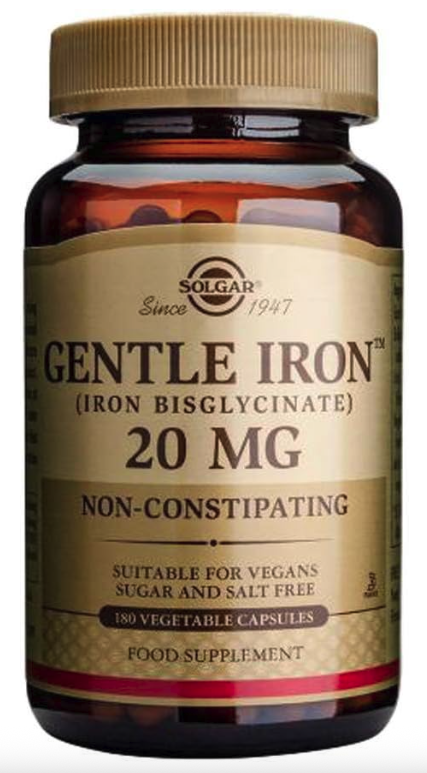
Iron comes in two forms: heme (from animal sources like beef liver, easily absorbed at 15–35%) and non-heme (from plant sources like beans, absorbed at 2–20%). The recommended dietary allowance (RDA) for adults is 8 mg for men and 18 mg for women (up to 27 mg during pregnancy), but absorption varies based on diet and health. Enhance uptake by pairing iron-rich foods with vitamin C (e.g., spinach salad with oranges) and avoiding inhibitors like tea or calcium near meals. For deficiencies, supplementation is key: ferrous sulfate (65 mg elemental iron per 325 mg tablet) is common, but gentler forms like ferrous bisglycinate (18–45 mg elemental) or polysaccharide-iron complex minimize GI side effects. Doses range from 18–65 mg elemental iron daily for maintenance, up to 100–200 mg for severe anemia, taken on an empty stomach with vitamin C (250–500 mg) for 2–3x better absorption. Slow-release or liquid forms reduce constipation, a common issue. Always start low (18–30 mg) and monitor via blood tests (ferritin, hemoglobin) every 3 months. For vegetarians, combine with folate and B12 for synergistic red blood cell support.
Safety and Considerations
While essential, excess iron can lead to oxidative stress, gastrointestinal distress, or hemochromatosis in genetically predisposed individuals. The tolerable upper intake level (UL) is 45 mg daily for adults to avoid toxicity. Iron supplements may interact with antibiotics, thyroid medications, or antacids, reducing efficacy—space doses 2–4 hours apart. Those with ulcers, inflammatory bowel disease, or thalassemia should avoid self-supplementation. Always consult a healthcare provider for testing before starting, as symptoms mimic other conditions.
Iron’s indispensable benefits—from energizing your body and bolstering immunity to nurturing brain health and supporting pregnancy—make it a cornerstone of vitality. Whether through iron-rich foods or thoughtful supplementation, this mineral can transform your well-being. Take action today—consult your doctor or a nutritionist to assess your iron status and explore how supplementation can fit into your health plan for a stronger, more vibrant you.