

Podcast
In today’s fast-paced world, many of us overlook one of the simplest yet most powerful elements of a healthy diet: fiber. Found naturally in fruits, vegetables, whole grains, and legumes, dietary fiber plays a crucial role in overall wellness, from digestion to disease prevention. But when our diets fall short, fiber supplements can step in to bridge the gap. Let’s dive into the science-backed benefits, recommended dosages, and why fiber is a game-changer for colon health. We’ll also compare popular options like Metamucil to organic alternatives to help you make informed choices.
The Wide-Ranging Benefits of Dietary Fiber
Dietary fiber comes in two main forms: soluble, which dissolves in water to form a gel-like substance, and insoluble, which adds bulk to stool. Together, they offer impressive health perks. For starters, a high-fiber diet promotes regular bowel movements and prevents constipation by softening stool and speeding up transit time through the digestive tract. It also fosters a diverse gut microbiome, supporting beneficial bacteria that aid digestion and immunity. On the metabolic front, fiber helps lower cholesterol levels by binding to it in the digestive system and escorting it out of the body. It stabilizes blood sugar by slowing the absorption of sugars, which is especially helpful for managing or preventing type 2 diabetes. Additionally, fiber contributes to weight management by increasing feelings of fullness, reducing overall calorie intake, and supporting heart health through reduced inflammation and better lipid profiles. Emerging research even links adequate fiber intake to lower risks of certain cancers, improved mental health via the gut-brain axis, and enhanced immune function.
Fiber Supplementation: When, How Much, and How Often
While whole foods are the best source of fiber, supplements can be a convenient boost for those who struggle to meet daily needs—such as busy professionals or picky eaters. Experts recommend a total daily fiber intake of 25-30 grams for women and 30-38 grams for men, with at least 14 grams per 1,000 calories consumed. For supplementation, start low to minimize side effects like bloating or gas, and gradually increase. A common dosage is 5-10 grams per serving, taken 1-3 times daily with plenty of water to aid absorption and prevent choking hazards. For constipation relief, studies suggest doses over 10 grams per day of psyllium-based supplements for at least four weeks for optimal results. Frequency-wise, daily use is generally safe and effective, but consult a healthcare provider if you have conditions like IBS or are on medications, as fiber can interact with absorption. Always pair supplements with a balanced diet for the full spectrum of nutrients.
Why Fiber Is Vital for Colon Health
Your colon, or large intestine, is ground zero for fiber’s protective effects. By adding bulk to stool, insoluble fiber acts like a natural scrub brush, cleaning out bacteria, toxins, and waste while promoting swift elimination—this reduces the time harmful substances linger in contact with colon walls, lowering inflammation and cancer risk. Soluble fiber feeds healthy gut bacteria, producing short-chain fatty acids that nourish colon cells and maintain a balanced microbiome, which is key for preventing disorders like diverticulitis and irritable bowel syndrome. Research consistently shows that higher fiber intake correlates with a reduced risk of colorectal cancer, one of the most common cancers worldwide, by up to 40% in some studies. In essence, fiber keeps your colon functioning smoothly, warding off constipation, polyps, and chronic diseases for long-term vitality.
Metamucil vs. Organic Fiber Supplement Alternatives: Which to Choose?
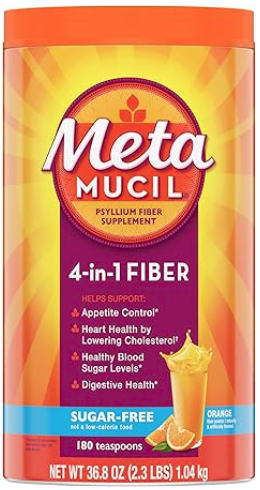
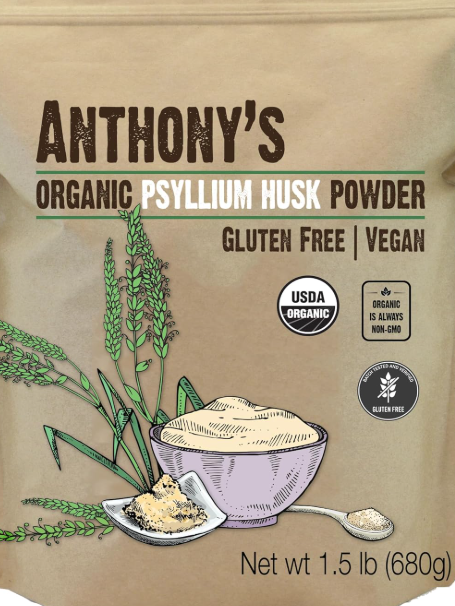
When it comes to supplements, Metamucil—a popular psyllium husk-based product—stands out for its proven efficacy in trapping waste, promoting regularity, and supporting heart health by lowering cholesterol. It’s available in powders, capsules, and wafers, making it versatile, and clinical evidence supports its use for constipation at doses around 3-6 grams per serving. However, some prefer organic alternatives like pure psyllium husk powder (e.g., from brands like NOW Foods or Anthony’s), inulin from chicory root, or methylcellulose-based options, which avoid additives found in branded products. These natural variants can be just as effective for gut health and may appeal to those seeking minimally processed, non-GMO options—though individual responses vary, with some studies showing mixed results on tolerability. Metamucil edges out in convenience and flavor varieties, but organic alternatives often cost less and provide similar soluble fiber benefits without artificial sweeteners. Ultimately, food-derived fiber (like from oats or flaxseeds) trumps supplements, but if choosing one, opt for what fits your lifestyle and consult a pro for personalization.
Ready to fiber up your life? Start by assessing your current intake and incorporating more whole foods or a supplement that suits you. Consult your doctor before making changes, especially if you have health concerns. Your gut—and your colon—will thank you!