
Podcast

Additional podcasts on Physical Health
In the quest for optimal health, one of the most promising tools lies within your gut: probiotics. These live beneficial bacteria and yeasts, available through supplements and fermented foods like yogurt, kefir, and sauerkraut, are revolutionizing how we approach wellness. The gut microbiome, a complex ecosystem of trillions of microorganisms, plays a pivotal role in digestion, immunity, mental health, and even heart function. However, modern lifestyles—marked by stress, processed diets, and antibiotic use—can disrupt this delicate balance. Probiotic supplementation offers a powerful way to restore harmony, delivering far-reaching benefits backed by science. Let’s explore the expanded health advantages of probiotics and why they deserve a place in your daily routine.
Digestive Health: The Foundation of Wellness
Probiotics are best known for their ability to optimize gut health, the cornerstone of overall well-being. By replenishing beneficial bacteria, probiotics help regulate digestion, improve nutrient absorption, and maintain bowel regularity. For those struggling with conditions like irritable bowel syndrome (IBS), probiotics can significantly reduce symptoms such as bloating, abdominal pain, and irregular stools. A healthy gut microbiome can boost your overall immunity, reduce inflammation, and help keep your bowels regular. They’re especially effective in combating antibiotic-associated diarrhea, a common side effect of medications that indiscriminately kill both harmful and helpful bacteria. Studies show that probiotics may be helpful for antibiotic-associated diarrhea in young and middle-aged people. Strains like Lactobacillus and Saccharomyces boulardii compete with pathogenic bacteria, restoring balance and reducing diarrhea duration. Beyond acute issues, probiotics support long-term gut integrity by strengthening the intestinal barrier, which prevents harmful substances from leaking into the bloodstream—a condition linked to chronic inflammation and disease.
Immune System Support: Your Body’s Natural Defense
A staggering 70% of your immune system resides in your gut, making the microbiome a critical player in fighting infections. Probiotics enhance this defense by stimulating antibody production and promoting the activity of immune cells like T-cells and natural killer cells. Probiotics help crowd out harmful bacteria, inhibit inflammation, boost immunity, and produce neurotransmitters, among many other functions. This immune boost translates to real-world benefits: fewer colds, reduced risk of urinary tract infections, and even protection against respiratory infections. Probiotics can prevent urinary, vaginal, gastrointestinal, and respiratory infections. For example, children and adults taking probiotics often experience shorter and less severe upper respiratory infections. Probiotics also reduce systemic inflammation, which can weaken immunity over time. By fortifying your gut’s microbial army, probiotics help you stay resilient against everyday pathogens and seasonal bugs.
Heart Health: A Surprising Ally
Probiotics aren’t just for digestion—they also support cardiovascular health in surprising ways. Specific strains, such as Lactobacillus acidophilus and Bifidobacterium longum, influence cholesterol metabolism by breaking down bile acids in the gut, which prevents the reabsorption of cholesterol into the bloodstream. The use of specific probiotics may reduce total and low-density lipoprotein cholesterol levels. This can lead to lower LDL (“bad”) cholesterol and improved heart health markers. Additionally, probiotics may reduce blood pressure by producing peptides that relax blood vessels. Probiotics may also help to improve your heart health. While probiotics alone aren’t a cure for heart disease, they complement a heart-healthy lifestyle—think balanced diet, regular exercise, and stress management—offering a natural way to support cardiovascular function and reduce risk factors over time.
Mental Health and the Gut-Brain Connection
The gut-brain axis, a two-way communication network between your digestive system and brain, is a hot topic in health research, and probiotics are at its core. By producing neurotransmitters like serotonin and GABA, which regulate mood and stress, probiotics can positively influence mental health. Probiotics may also help to improve your mood… and cognitive functioning. Studies suggest that regular probiotic use may reduce symptoms of anxiety, depression, and stress by modulating inflammation and improving gut health. For instance, individuals with mild to moderate depression have reported improved mood after taking specific strains like Lactobacillus helveticus and Bifidobacterium longum. Probiotics also show promise in enhancing cognitive function, with early research indicating better memory and focus in some populations. This mental health boost extends to sleep quality, as a balanced gut can regulate circadian rhythms. The idea that a healthy gut fosters a healthy mind is no longer fringe—it’s a compelling reason to prioritize probiotics.
Skin Health and Beyond: Whole-Body Benefits
Probiotics’ anti-inflammatory properties extend to the skin, offering relief for conditions like acne, eczema, and rosacea. By reducing systemic inflammation and balancing the gut microbiome, probiotics can decrease the inflammatory triggers that exacerbate skin issues. Probiotics may also help to improve your… skin. For example, studies have shown that Lactobacillus strains can improve eczema symptoms in children and adults. Probiotics may also support weight management by influencing appetite-regulating hormones and fat metabolism, though more research is needed. Additionally, they can enhance nutrient absorption, ensuring your body gets the most from vitamins and minerals like B12, iron, and calcium. This holistic impact underscores how probiotics benefit the body as an interconnected system, from head to toe.
Choosing the Right Probiotic: Quality Matters
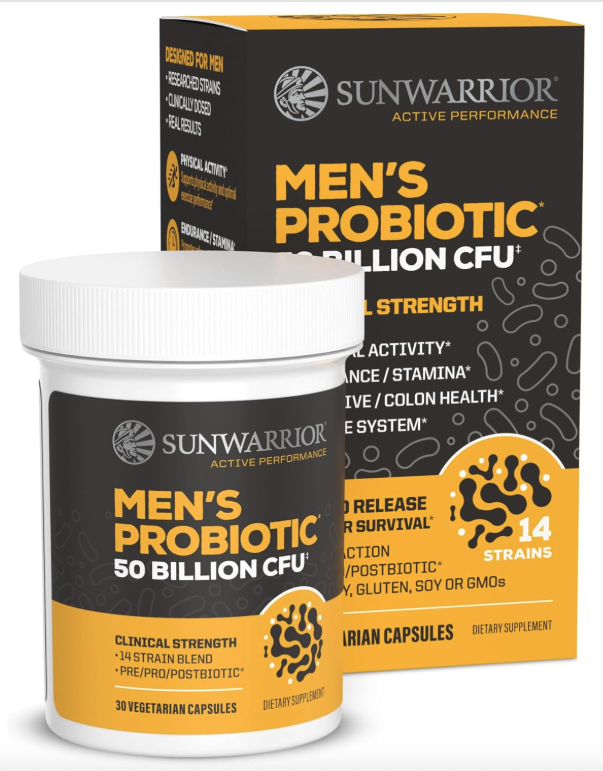
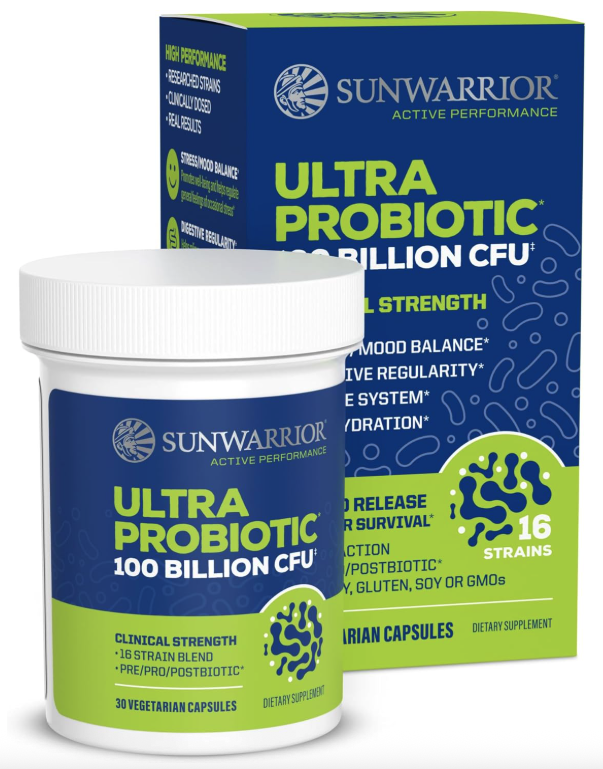
Not all probiotics are created equal. Benefits vary by strain, dosage, and individual factors like age, diet, and health status. For example, Lactobacillus rhamnosus GG is well-studied for diarrhea prevention, while Bifidobacterium bifidum may target IBS symptoms. Look for supplements with colony-forming units (CFUs) in the billions, from reputable brands with third-party testing. Probiotics are thought to help restore the natural balance of bacteria in your gut when it’s been disrupted by an illness or treatment. Always consult a healthcare provider before starting, especially if you have a compromised immune system or chronic conditions. Pairing probiotics with prebiotics—fiber-rich foods that feed good bacteria—can amplify their effects.
Take Charge of Your Health Today
The science is clear: probiotics offer a multifaceted approach to health, supporting digestion, immunity, heart function, mental clarity, and even radiant skin. Whether you’re looking to ease digestive discomfort, fend off colds, or boost your mood, probiotics could be the game-changer you’ve been searching for. Start by choosing a high-quality supplement or incorporating probiotic-rich foods into your diet, and track how your body responds. Share your journey in the comments below—have probiotics made a difference for you? Let’s inspire each other to prioritize gut health and unlock a healthier, happier life!