
Podcast
Additional podcasts on Physical Health
In the world of health and nutrition, some nutrients fly under the radar despite their profound impact on our bodies. Taurine, a sulfur-containing amino acid found naturally in foods like meat, fish, and dairy, is one such powerhouse. Often associated with energy drinks, taurine plays a far more significant role in human physiology than just providing a quick buzz. Produced in small amounts by our bodies and obtained through diet, taurine supports everything from cellular function to organ health. But as we age or face certain health challenges, our natural levels can decline, making supplementation a topic worth exploring. Let’s dive into the evidence-backed benefits of taurine and how supplementing it might enhance your life.
First and foremost, taurine is a champion for heart health. Research shows that taurine supplementation can regulate blood pressure, improve heart function, and optimize blood fat levels, particularly in individuals with heart conditions such as heart failure or hypertension. In models of cardiovascular disease, it has been shown to enhance cardiac performance, reduce inflammation, and even alleviate symptoms in conditions like atherosclerosis. By calming the nervous system and lowering blood pressure, taurine acts as a natural ally against the stresses that burden our cardiovascular system. If you’re looking to support long-term heart vitality, this could be a game-changer.
Beyond the heart, taurine shines in metabolic health and blood sugar regulation. It helps manage glucose levels, making it beneficial for those with diabetes or prediabetes. Studies indicate that taurine prevents weight gain, reduces fasting blood glucose, and mitigates markers of liver damage, contributing to overall metabolic balance. Its anti-inflammatory and antioxidant properties further amplify these effects, potentially easing symptoms in metabolic disorders like MELAS syndrome. For anyone aiming to maintain steady energy and avoid metabolic pitfalls, taurine offers a subtle yet powerful boost.
One of the most exciting areas of taurine research is its potential role in longevity and anti-aging. As we get older, taurine levels naturally drop, and supplementing it has been linked to reduced cellular senescence, better mitochondrial function, decreased DNA damage, and protection against telomerase deficiency. In animal studies, taurine extended healthy lifespan by addressing age-related declines, including improved bone density and reduced oxidative stress. Human trials, such as one on women aged 55 to 70, have demonstrated that taurine minimizes oxidative damage by modulating the body’s antioxidant system. While more research is needed, these findings suggest taurine could be a key player in promoting a longer, healthier life.
Athletes and fitness enthusiasts will appreciate taurine’s benefits for exercise performance and recovery. It may enhance endurance, reduce muscle soreness, and alleviate post-workout stiffness, allowing for more consistent training. Taurine also supports proper hydration and electrolyte balance, which are crucial during intense physical activity. Additionally, it aids in nerve growth and immune modulation, helping the body bounce back faster from exertion. Whether you’re hitting the gym or just staying active, taurine could elevate your performance edge.
Taurine doesn’t stop there—it’s essential for brain and nervous system health. It promotes nerve growth, calms the nervous system, and may support cognitive function, mood, and even sleep without causing overstimulation. Its role in digestion is equally vital, as it helps produce bile salts for efficient nutrient absorption. Emerging evidence also points to benefits for hearing function and immune support, rounding out its multifaceted profile.
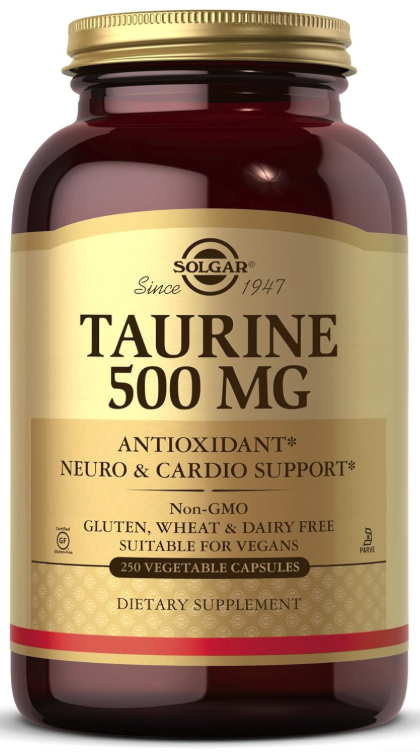
When it comes to supplementation, taurine is generally considered safe with minimal side effects, such as occasional stomach upset at high doses. Typical recommendations range from 500 to 2,000 mg per day, often divided into doses, but individual needs vary based on diet, age, and health status. Vegetarians and vegans, who may get less from food sources, could particularly benefit. Always choose high-quality supplements and monitor your response.
Incorporating taurine into your routine could unlock these impressive benefits, but remember, it’s not a magic pill—pair it with a balanced diet and lifestyle for the best results.
Ready to explore taurine for yourself? Consult your healthcare provider to see if supplementation is right for you.