
Podcast
Additional podcasts on Physical Health
Berberine, a vibrant yellow alkaloid found in plants like goldenseal, barberry, and Oregon grape, has been a cornerstone of traditional medicine for centuries, particularly in Chinese and Ayurvedic practices. This potent compound is now gaining widespread recognition in modern science for its remarkable health benefits, from blood sugar regulation to heart health support. Available in both natural food sources and as a supplement, berberine offers a natural, accessible way to enhance your well-being. Let’s explore the transformative health benefits of berberine and how supplementation can amplify its effects.
- Blood Sugar Regulation Powerhouse
Berberine is best known for its ability to support healthy blood sugar levels, making it a valuable tool for those managing type 2 diabetes or prediabetes. It works by activating AMP-activated protein kinase (AMPK), a metabolic regulator that enhances insulin sensitivity and glucose uptake in cells. A 2018 meta-analysis in Diabetes Care found that berberine supplementation was as effective as metformin in lowering fasting blood glucose and HbA1c levels. Incorporating berberine supplements can provide consistent support for metabolic health, complementing a balanced diet and exercise.
- Heart Health Ally
Berberine supports cardiovascular health by addressing key risk factors like high cholesterol, blood pressure, and triglycerides. It reduces LDL (“bad”) cholesterol and increases HDL (“good”) cholesterol by inhibiting cholesterol absorption in the gut and promoting its excretion. A 2019 study in Phytomedicine showed that berberine supplementation significantly lowered total cholesterol and triglyceride levels in individuals with dyslipidemia. Its ability to improve endothelial function and reduce inflammation further protects the heart, making berberine a heart-healthy addition to your routine.
- Anti-Inflammatory and Antioxidant Benefits
Chronic inflammation and oxidative stress are at the root of many diseases, but berberine’s potent anti-inflammatory and antioxidant properties help combat both. By inhibiting pro-inflammatory pathways like NF-kB and neutralizing free radicals, berberine may reduce the risk of conditions like arthritis, heart disease, and certain cancers. A 2020 review in Frontiers in Pharmacology highlighted berberine’s ability to mitigate oxidative stress, supporting cellular health and longevity.
- Gut Health and Microbiome Support
Berberine promotes a healthy gut by modulating the gut microbiome and fighting harmful bacteria. Its antimicrobial properties target pathogens like H. pylori, linked to ulcers, while sparing beneficial gut bacteria. A 2021 study in Nature Communications found that berberine enhances the production of short-chain fatty acids, which support gut barrier function and reduce inflammation. Berberine supplements can help maintain a balanced microbiome, aiding digestion and overall gut health.
- Weight Management Support
Berberine may aid in weight management by improving metabolism and reducing fat accumulation. It activates AMPK, which boosts fat burning and inhibits fat storage, while also improving insulin sensitivity to curb cravings. A 2012 study in Evidence-Based Complementary and Alternative Medicine showed that berberine supplementation led to modest weight loss and reduced body fat in obese individuals. Combined with a healthy diet and exercise, berberine supplements can support weight management goals.
- Potential Cognitive and Mood Benefits
Emerging research suggests berberine may support brain health by reducing neuroinflammation and protecting against neurodegenerative diseases. Its ability to cross the blood-brain barrier and modulate neurotransmitter activity may also improve mood and cognitive function. A 2020 study in Neural Regeneration Research indicated that berberine could protect against Alzheimer’s disease by reducing amyloid-beta plaque formation. While more research is needed, berberine’s neuroprotective potential is promising.
Berberine Supplementation: A Convenient Wellness Boost
Berberine supplements, typically available as capsules, tablets, or powders, offer a concentrated and convenient way to harness the compound’s benefits. Here’s a detailed look at berberine supplementation:
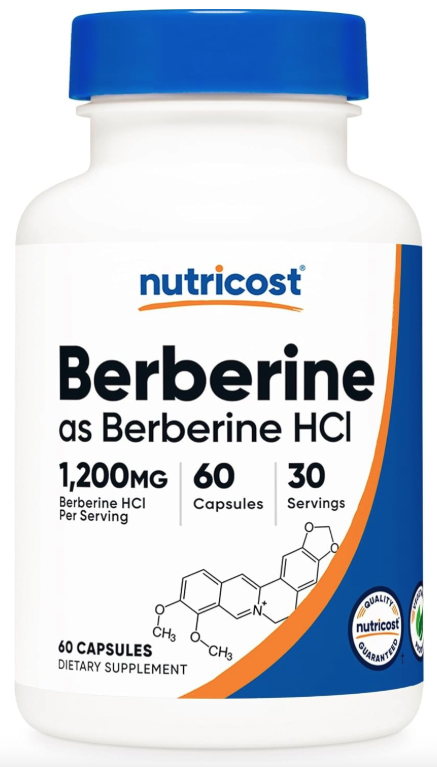
- Forms and Composition: Berberine supplements are usually derived from plant extracts like barberry or goldenseal and standardized to contain 500 mg to 1,500 mg of berberine per serving. Capsules are the most common form, often combined with bioavailability enhancers like black pepper extract (piperine) to improve absorption, as berberine has low natural bioavailability.
- Benefits of Supplements: Supplements provide a consistent, high-potency dose, ideal for targeting specific health concerns like blood sugar control, cholesterol management, or gut health. Unlike dietary sources, which require consuming large amounts of berberine-containing plants, supplements deliver therapeutic doses in a convenient form. A 2020 study in Nutrients confirmed that berberine supplements effectively lowered blood glucose and lipid levels in clinical trials.
- Choosing Quality Supplements: Select products from reputable brands with third-party testing to ensure purity and potency. Look for supplements standardized to at least 95% berberine for maximum efficacy. Enteric-coated capsules can reduce stomach upset and improve absorption. Avoid products with unnecessary fillers or additives.
- Dosage and Administration: Typical dosages range from 500 mg to 1,500 mg daily, often split into two or three doses taken with meals to enhance absorption and minimize digestive side effects. For example, 500 mg three times daily is common for blood sugar or cholesterol support. Start with a lower dose (e.g., 500 mg daily) to assess tolerance, and consult a healthcare provider for personalized guidance.
- Safety and Interactions: Berberine is generally safe but can cause mild side effects like diarrhea, constipation, or stomach cramps, especially at higher doses. It may interact with medications like metformin, statins, or blood pressure drugs, as it can amplify their effects. Berberine can also affect cytochrome P450 enzymes, impacting drugs like antidepressants or anticoagulants. Pregnant or breastfeeding women, those with liver or kidney conditions, or individuals on multiple medications should consult a doctor before use. Avoid long-term use without medical supervision, as prolonged high doses may affect liver function.
- Supplements vs. Dietary Sources: While berberine is found in plants like goldenseal, barberry, and Oregon grape, dietary intake is often insufficient for therapeutic effects. Supplements provide a reliable, high-dose option for targeted health benefits, making them ideal for those seeking specific outcomes like blood sugar or cholesterol management.
How to Incorporate Berberine
While berberine-containing plants can be used in teas or culinary preparations, their low berberine content makes supplements the primary choice for therapeutic benefits. Take berberine capsules with meals to support blood sugar, heart health, or digestion. Pair supplementation with a nutrient-rich diet and regular exercise for optimal results. Always consult a healthcare professional before starting berberine supplements, especially if you’re on medications or have underlying health conditions.
Call to Action
Ready to tap into the golden power of berberine? Explore high-quality berberine supplements to support your blood sugar, heart, or gut health, and complement them with a healthy lifestyle.