
Podcast
Additional podcasts on Physical Health
Creatine has long been a staple in the world of fitness, often linked to bodybuilders and athletes striving for peak performance. However, this naturally occurring compound—synthesized in the liver, kidneys, and pancreas and found in foods like red meat, fish, and poultry—offers far-reaching health benefits that extend well beyond muscle building. As one of the most researched supplements available, creatine monohydrate, the most common and effective form, has been shown to support physical performance, cognitive function, recovery, and even long-term health outcomes. Whether you’re an athlete, a busy professional, or simply someone looking to optimize your well-being, creatine might just be the game-changer you didn’t know you needed. Let’s explore the science-backed benefits in detail and uncover why this supplement deserves a spot in your health routine.
Supercharging Physical Performance and Muscle Growth
Creatine’s hallmark benefit lies in its ability to enhance physical performance, particularly during high-intensity, short-duration activities like weightlifting, sprinting, or HIIT workouts. It works by increasing the body’s stores of phosphocreatine, a molecule that helps regenerate adenosine triphosphate (ATP), the primary energy source for muscle contractions. This boost in energy availability allows you to push harder and longer during workouts, leading to improved strength, power, and endurance. Studies consistently show that creatine supplementation can lead to modest but significant gains in lean muscle mass and strength, with users often seeing improvements of 5-10% in maximal strength and power output over time. For anyone engaged in resistance training or explosive sports, this translates to faster progress and better results.
But it’s not just for elite athletes. Recreational gym-goers and even older adults can benefit from creatine’s muscle-preserving and strength-enhancing effects. For seniors, it may help combat age-related muscle loss (sarcopenia), improving mobility and quality of life. By supporting muscle maintenance, creatine becomes a powerful tool for long-term physical health across all ages.
Boosting Brain Power and Cognitive Health
While creatine’s physical benefits are well-known, its impact on brain health is an exciting frontier in research. The brain, like muscles, relies heavily on ATP for energy, and creatine supplementation can increase phosphocreatine availability in brain cells, enhancing cognitive performance. Studies suggest that creatine can improve memory, mental processing speed, and even problem-solving abilities, particularly in high-demand situations like sleep deprivation or intense mental tasks. For example, a 2018 study found that creatine supplementation improved short-term memory and reasoning in healthy adults under stress.
There’s also growing evidence that creatine may support neurological health in aging populations or those at risk for neurodegenerative conditions. Preliminary research indicates potential benefits for conditions like Parkinson’s disease, Alzheimer’s, and traumatic brain injury by protecting neurons and improving energy metabolism in the brain. For students, professionals, or anyone seeking a mental edge, creatine could be a safe and effective way to sharpen focus and boost cognitive resilience.
Empowering Women’s Health
Creatine isn’t just for men—it offers unique benefits for women, particularly during hormonal shifts. During menstruation, pregnancy, or menopause, women may experience fluctuations in energy, muscle function, and mood. Creatine can help stabilize energy levels and support muscle maintenance, which is especially valuable during menopause when muscle mass and bone density naturally decline. Research also suggests that women may see improvements in body composition, with creatine aiding in muscle building while reducing body fat, contributing to a leaner, stronger physique. Additionally, creatine’s cognitive benefits can support mental clarity during hormonal changes, making it a versatile supplement for women at any stage of life.
Accelerating Recovery and Reducing Fatigue
One of creatine’s lesser-known but equally valuable benefits is its role in recovery. Intense exercise can lead to muscle damage and inflammation, resulting in soreness that hampers training consistency. Creatine has been shown to reduce markers of muscle damage and inflammation, speeding up recovery and allowing for more frequent, high-quality workouts. This is a game-changer for athletes or anyone with a demanding fitness routine, as faster recovery means less downtime and more progress.
Creatine also helps combat fatigue, both physical and mental. By maintaining ATP levels, it delays the onset of exhaustion during intense efforts, whether you’re lifting weights or tackling a mentally taxing project. This dual-action benefit makes creatine a versatile ally for busy lifestyles.
Supporting Heart, Bone, and Metabolic Health
Emerging research points to creatine’s potential in areas beyond muscles and brain. For heart health, creatine may improve energy delivery to cardiac muscles, potentially reducing the risk of arrhythmias and supporting overall cardiovascular function. In terms of bone health, studies suggest that creatine, when combined with resistance training, may enhance bone density by stimulating bone-forming cells, offering a promising strategy for preventing osteoporosis, especially in older adults.
Creatine also shows promise in metabolic health. For individuals with type 2 diabetes, it may improve insulin sensitivity and glucose metabolism by enhancing muscle function and energy utilization. These benefits, while still being explored, highlight creatine’s potential as a holistic health supplement.
Safety and Practical Use
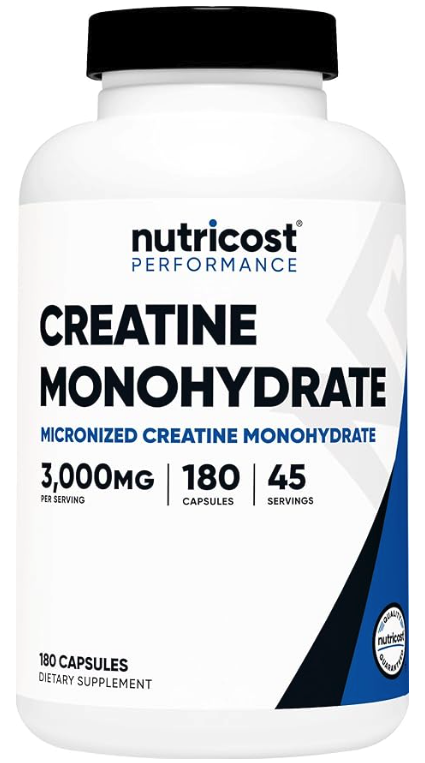
Creatine monohydrate is one of the most studied supplements, with a strong safety profile for most healthy adults when taken at recommended doses—typically 3-5 grams per day. Side effects are rare but may include mild stomach discomfort or water retention, which usually subsides with consistent use. Those with pre-existing kidney conditions should consult a healthcare provider before starting supplementation, as creatine is processed through the kidneys. Importantly, the myth of creatine causing dehydration has been debunked—proper hydration alongside supplementation is sufficient for safe use.
To incorporate creatine, simply mix 3-5 grams of creatine monohydrate into water, a smoothie, or a post-workout shake. No loading phase is necessary, though some choose a higher dose (20 grams daily for 5-7 days) to saturate muscles faster. Consistency is key—daily use maximizes benefits over time.
Why You Should Consider Creatine
From building stronger muscles to sharpening your mind, speeding recovery, and supporting long-term health, creatine is a versatile, science-backed supplement with benefits for nearly everyone. Its affordability, safety, and ease of use make it an accessible tool for optimizing health and performance. Whether you’re hitting the gym, navigating a busy workweek, or simply aiming to age gracefully, creatine could be the missing piece in your wellness puzzle.
Ready to unlock the power of creatine? Consult with your healthcare provider to ensure it’s right for you, and start incorporating this powerhouse supplement into your routine today.