


Podcast
Protein is a cornerstone of health, fueling everything from daily energy to long-term vitality. For those aiming to optimize their well-being and extend their lifespan, protein is non-negotiable. It supports tissue repair, immune function, hormone regulation, and even neurotransmitter production, all of which contribute to resilience against age-related decline. Critically, protein plays a pivotal role in combating sarcopenia—the progressive loss of muscle mass and strength that starts in our 30s and accelerates with age. Sarcopenia increases the risk of frailty, falls, and reduced mobility, but adequate protein intake, paired with resistance exercise, can preserve muscle mass and function, promoting independence and quality of life well into later years. Beyond muscle health, protein supports longevity by enhancing metabolic health, stabilizing blood sugar, and reducing the risk of chronic diseases. Studies suggest that balanced protein intake, particularly from high-quality sources, may extend lifespan by supporting cellular repair and reducing age-related inflammation. Protein also aids in maintaining a healthy weight, as it promotes satiety and preserves lean mass during calorie restriction, further contributing to a longer, healthier life.
To achieve these benefits, aim for 0.5 to 0.8 grams of protein per pound of body weight daily, with the higher end suited for active individuals, older adults, or those recovering from injury. For a 150-pound person, this translates to 75 to 120 grams per day to support muscle maintenance, metabolic health, and longevity. Distributing this intake evenly across meals—20 to 40 grams per meal, ideally over three to four sittings—maximizes muscle protein synthesis, the process that builds and repairs muscle tissue, while supporting sustained energy and cellular health throughout the day.
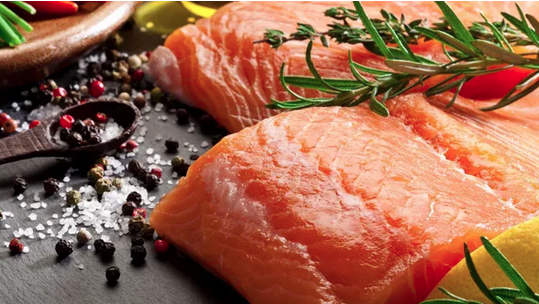
Protein sources matter, and variety ensures a full spectrum of amino acids and nutrients. Animal-based proteins are dense and complete, making them highly effective. Eggs (6 grams per large egg) offer versatility and nutrients like choline and B12. Beef (25 grams per 3-ounce serving) provides iron and zinc for energy and immunity. Chicken breast matches beef’s protein content with lower fat, ideal for lean muscle building. Fish like salmon or tuna (20-25 grams per serving) delivers omega-3s, which reduce inflammation and support heart health—key for longevity. Plant-based proteins are excellent for sustainability or vegetarian diets. Lentils and beans (15-20 grams per cup) provide fiber for gut health, while quinoa (8 grams per cup cooked) is a complete protein. Nuts like almonds (6 grams per ounce) are great for snacking.
Animal proteins are typically complete, with high bioavailability (90%+ absorption), making them efficient for muscle repair and growth. Plant proteins, while sometimes incomplete and less bioavailable (70-90% due to fiber), can meet needs when combined—like rice and beans—or consumed in higher quantities. Research indicates that both can support muscle health and longevity if intake is sufficient and varied, allowing flexibility based on personal or environmental preferences. A balanced mix of both can optimize health outcomes while aligning with ethical or ecological goals.
For those who need a boost—due to busy schedules, dietary restrictions, or intense training—protein supplements are a practical solution. Whey and casein, both milk-derived, are popular choices. Whey is fast-digesting, ideal post-workout for rapid muscle recovery and synthesis, supporting both muscle health and metabolic function. Casein digests slowly, releasing amino acids over hours, perfect before bed to prevent muscle breakdown and support overnight repair, a key factor in long-term muscle preservation. Both are complete proteins, and choosing based on timing—whey for immediate needs, casein for sustained support—can enhance their benefits for health and longevity.
Protein isn’t just about strength; it’s a key to unlocking a longer, healthier life. From fighting sarcopenia to supporting metabolic health and cellular repair, it’s a nutrient that pays dividends over time. Start prioritizing protein today to invest in your future self.
Ready to fuel your body for vitality and longevity? Calculate your protein needs, diversify your sources, and consider supplements if needed. Consult a professional to tailor your intake and take the first step toward a stronger, longer life.