
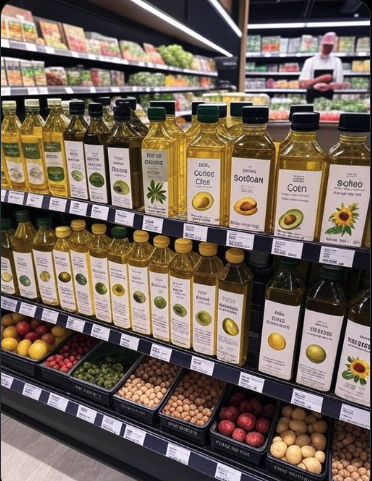
In recent years, seed oils such as canola, soybean, corn, and sunflower oil have become staples in modern diets, found in everything from processed foods to restaurant cooking. Marketed as healthy and versatile, these oils dominate grocery store shelves and industrial food production. However, growing research and debate among health experts suggest that these highly processed oils may contribute to chronic inflammation and other health issues, prompting a reevaluation of their role in our diets.
What Are Seed Oils and Why Are They Controversial?
Seed oils are extracted from seeds like canola (rapeseed), soybeans, corn, and sunflowers through industrial processes involving high heat, chemical solvents like hexane, and refining techniques. This results in oils high in omega-6 fatty acids, particularly linoleic acid. While omega-6 fats are essential in small amounts, the modern diet—rich in processed foods—has skewed the omega-6 to omega-3 ratio dramatically, often exceeding 20:1 compared to the ancestral ratio of around 1:1 or 2:1. This imbalance is at the heart of the controversy.
Seed oils are extracted from seeds like canola (rapeseed), soybeans, corn, and sunflowers through industrial processes involving high heat, chemical solvents like hexane, and refining techniques. This results in oils high in omega-6 fatty acids, particularly linoleic acid. While omega-6 fats are essential in small amounts, the modern diet—rich in processed foods—has skewed the omega-6 to omega-3 ratio dramatically, often exceeding 20:1 compared to the ancestral ratio of around 1:1 or 2:1. This imbalance is at the heart of the controversy.
Healthier Alternatives to Seed Oils
Fortunately, there are nutrient-dense, less processed fats that can support health without the risks associated with seed oils. Here are some alternatives: Extra Virgin Olive Oil: Rich in monounsaturated fats and antioxidants like polyphenols, extra virgin olive oil is a cornerstone of the Mediterranean diet, linked to reduced inflammation and heart disease risk. Opt for cold-pressed varieties to maximize benefits.
Avocado Oil: High in monounsaturated fats and vitamin E, avocado oil is stable for cooking at moderate temperatures and has a mild flavor, making it versatile for salads or sautéing.
Butter and Ghee: Grass-fed butter and ghee (clarified butter) are rich in fat-soluble vitamins like A, D, and K2, and contain short- and medium-chain fatty acids that support metabolism. Ghee is lactose-free, ideal for those with dairy sensitivities.
Coconut Oil: High in medium-chain triglycerides (MCTs), coconut oil is stable at high temperatures and supports ketone production, which may benefit brain health. Choose unrefined, virgin coconut oil for minimal processing.
Animal Fats: Tallow, lard, and duck fat from pasture-raised animals are traditional fats with balanced fatty acid profiles. They’re stable for high-heat cooking and rich in nutrients like conjugated linoleic acid (CLA).
The Bigger Picture: Diet and Lifestyle
The debate over seed oils highlights a broader issue: the modern diet’s reliance on ultra-processed foods. Seed oils are often found in packaged snacks, fried foods, and even “healthy” products like salad dressings or granola bars. Reducing seed oil consumption starts with prioritizing whole, unprocessed foods—fresh vegetables, fruits, nuts, seeds, and high-quality proteins.
Lifestyle factors also play a role. Regular exercise, stress management, and adequate sleep can mitigate inflammation, complementing dietary changes. Incorporating omega-3-rich foods like wild-caught salmon, sardines, or flaxseeds can help restore a healthier omega-6 to omega-3 balance.
What Can You Do?
Transitioning away from seed oils doesn’t have to be overwhelming. Start by reading ingredient labels and avoiding products listing canola, soybean, corn, or sunflower oil. Cook at home using olive oil, avocado oil, or butter, and experiment with recipes to find what works for you. When dining out, ask about cooking oils used or opt for dishes prepared with olive oil or butter. The science around seed oils is still evolving, but the evidence pointing to their potential harm is hard to ignore. By making informed choices, you can take control of your health and reduce reliance on these industrial fats.
Have you noticed a difference in your health after cutting back on seed oils? Share your experiences or favorite recipes using healthier fats in the comments. Let’s spark a conversation about reclaiming our diets for better wellness.