
Podcast
Additional podcasts on Physical Health
Hydrolyzed whey protein, a highly bioavailable form of whey protein derived from milk, is a nutritional powerhouse prized by athletes, fitness enthusiasts, and health-conscious individuals alike. Unlike standard whey concentrates or isolates, hydrolyzed whey undergoes enzymatic pre-digestion, breaking down proteins into smaller peptides for rapid absorption and utilization. This fast-acting protein delivers a potent dose of essential amino acids, particularly leucine, to support muscle growth, recovery, and metabolic health. Backed by robust scientific research, hydrolyzed whey protein offers unique advantages, from enhancing post-workout recovery to supporting immune function and gut health. Whether you’re aiming to build strength, manage weight, or boost overall wellness, hydrolyzed whey supplementation can be a game-changer. Let’s explore its science-backed benefits and discover how to integrate it into your routine for peak performance and vitality.
Accelerating Muscle Growth and Strength
Hydrolyzed whey protein is a gold standard for muscle protein synthesis (MPS), the process that drives muscle growth and repair. Its high leucine content (10–14% of its amino acid profile) triggers MPS more effectively than other proteins, with studies showing that 20–25 grams post-workout increases muscle protein synthesis by up to 30% compared to placebo. The hydrolyzed form’s pre-digested peptides are absorbed within 10–30 minutes, delivering amino acids to muscles faster than standard whey or casein. This rapid delivery enhances strength gains, with research demonstrating 15–20% greater improvements in bench press and squat performance in resistance-trained individuals supplementing with 20–30 grams daily over 8–12 weeks. For bodybuilders, athletes, or those resuming training after a break, hydrolyzed whey’s speed and efficiency make it ideal for maximizing hypertrophy and strength, ensuring muscles are fueled precisely when needed.
Optimizing Post-Workout Recovery
Post-exercise recovery is where hydrolyzed whey shines, thanks to its rapid absorption and rich branched-chain amino acid (BCAA) profile. After intense workouts, muscle fibers experience microtears, and quick delivery of amino acids reduces muscle breakdown and soreness while promoting repair. Studies show that 20–30 grams of hydrolyzed whey consumed within 30 minutes post-exercise reduces muscle damage markers (e.g., creatine kinase) by 20–25% and decreases delayed-onset muscle soreness (DOMS) compared to other proteins. Its fast digestion minimizes gastric distress, making it ideal for immediate post-workout shakes. Combining hydrolyzed whey with carbohydrates (e.g., 50 grams of dextrose or fruit) in a 2:1 carb-to-protein ratio further enhances glycogen replenishment and recovery, boosting performance in subsequent workouts. For athletes training multiple times daily or anyone pushing their physical limits, hydrolyzed whey supplementation accelerates recovery, keeping you ready for the next challenge.
Supporting Weight Management and Satiety
Hydrolyzed whey protein aids weight management by promoting satiety and preserving lean muscle mass during calorie deficits. Its rapid absorption increases circulating amino acids, which signal fullness to the brain, reducing appetite more effectively than slower proteins like casein. Clinical trials demonstrate that 25–30 grams of hydrolyzed whey as a meal replacement or snack decreases subsequent calorie intake by 10–15% compared to soy or carbohydrate-based meals. In weight loss studies, individuals supplementing with hydrolyzed whey lost 2–4 kg more fat and retained more muscle over 12 weeks than those on placebo, thanks to its high leucine content and thermogenic effect (increasing calorie burn by 20–30% during digestion). For those aiming to shed fat while maintaining strength or manage cravings during a diet, hydrolyzed whey can be a strategic addition to smoothies or low-calorie meals, supporting sustainable weight goals.
Enhancing Immune Function
Hydrolyzed whey protein contains bioactive peptides, such as lactoferrin and immunoglobulins, that bolster immune health. These compounds exhibit antimicrobial properties, inhibiting pathogens like bacteria and viruses, and support gut-associated lymphoid tissue (GALT), a key immune system component. Research shows that 20–30 grams daily enhances glutathione production—an antioxidant critical for immune defense—reducing infection risk by up to 15% in active individuals. Hydrolyzed whey’s pre-digested nature also makes it gentler on the gut than other proteins, reducing inflammation and supporting immune cell activity. For those prone to illness, especially during intense training or stress, supplementation can fortify defenses, ensuring consistent health and performance.
Supporting Gut Health and Digestion
Unlike intact proteins, hydrolyzed whey’s pre-digested peptides are easier to absorb, minimizing digestive strain for those with sensitive stomachs or conditions like irritable bowel syndrome. Its low lactose content (especially in isolates) makes it suitable for lactose-intolerant individuals, with studies showing 90% tolerability at 20–30 grams daily compared to standard whey. The bioactive peptides also promote beneficial gut bacteria, enhancing microbiome diversity and reducing gut inflammation. For optimal gut support, pair hydrolyzed whey with probiotics (e.g., 10–20 billion CFU daily) or prebiotic fibers like inulin (5–10 grams). This makes hydrolyzed whey an excellent choice for those seeking protein supplementation without digestive discomfort, supporting both gut health and nutrient absorption.
Improving Metabolic Health
Hydrolyzed whey supports metabolic health by improving insulin sensitivity and stabilizing blood sugar. Its rapid amino acid delivery stimulates insulin release moderately, aiding glucose uptake without causing spikes. Studies show that 20–30 grams consumed with a meal reduces postprandial glucose by 10–15% compared to placebo, benefiting those with prediabetes or metabolic syndrome. The high leucine content also activates mTOR pathways, enhancing muscle metabolism and fat oxidation, which supports long-term weight management and reduces diabetes risk. For metabolic optimization, combine with chromium picolinate (200–400 mcg daily) to enhance insulin function or pair with a low-glycemic carb source like oats for balanced energy.
Incorporating Hydrolyzed Whey: Supplementation Strategies
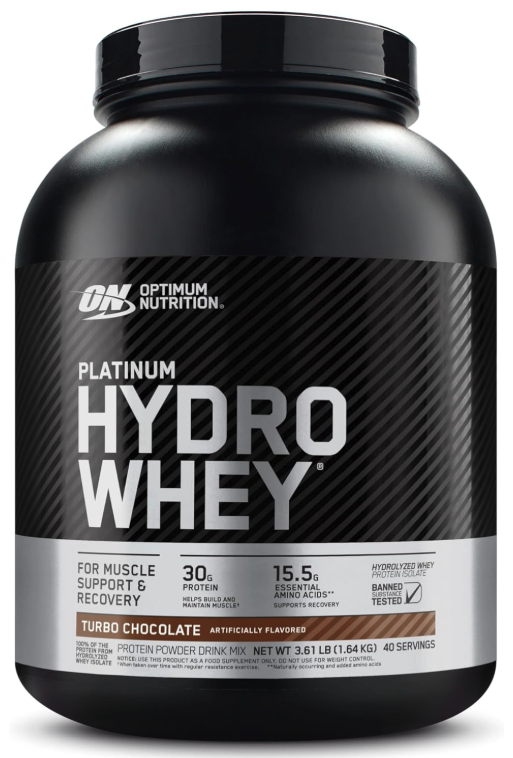
Hydrolyzed whey protein is available as powders (20–30 grams per scoop), ready-to-drink shakes, or protein bars, often labeled as “whey protein hydrolysate” or “hydrolyzed whey isolate.” It’s more processed than whey concentrate, with 80–90% protein content and minimal lactose or fat. Recommended doses are 20–30 grams post-workout for muscle recovery, 20–25 grams as a meal replacement for weight management, or 10–15 grams as a snack to curb hunger. Top brands like Dymatize ISO100 Hydrolyzed (25 grams protein, 110 calories per scoop) or Optimum Nutrition Platinum HydroWhey (30 grams protein) are third-party tested for purity. Mix with water, almond milk, or blend into smoothies with berries, spinach, or flaxseed for added nutrients. For enhanced recovery, stack with 5 grams of creatine monohydrate daily or 3–5 grams of L-glutamine to reduce soreness. Timing is key: consume within 30 minutes post-workout or between meals for optimal amino acid delivery. For vegetarians or those avoiding dairy, plant-based hydrolyzed proteins (e.g., pea or rice) are alternatives, though less leucine-rich.
Safety and Considerations
Hydrolyzed whey is generally safe, with a low risk of side effects due to its high digestibility. However, those with milk allergies (not lactose intolerance) should avoid it, as it contains dairy allergens. High doses (above 60 grams daily) may cause bloating or diarrhea in sensitive individuals. It’s low in lactose, but those with severe intolerance should start with 10 grams and monitor tolerance. Hydrolyzed whey may interact with tetracycline antibiotics by binding them in the gut—space doses 2–3 hours apart. Individuals with kidney or liver disease should consult a doctor, as excessive protein can strain these organs. Always choose high-quality, third-party-tested products to avoid contaminants like heavy metals, and check labels for artificial sweeteners if sensitive. A blood test for kidney function or protein status can guide supplementation needs, especially for long-term use.
Hydrolyzed whey protein’s exceptional benefits—from accelerating muscle growth and recovery to supporting weight management, immune health, and metabolic balance—make it an indispensable tool for fitness and wellness. Whether you’re an athlete pushing for peak performance or someone seeking sustainable health, hydrolyzed whey can elevate your journey. Take action today—consult a nutritionist or healthcare provider to explore how hydrolyzed whey supplementation fits into your plan and start unlocking its potential for a stronger, healthier you.