
Podcast

Additional podcasts on Spiritual Inspirations and Personal Growth
David Goggins once said, “If you don’t know how to fail, there is no victory.” This powerful statement captures a truth we often overlook: failure is not the opposite of success but a vital stepping stone toward it. To achieve greatness, we must learn to embrace our setbacks, extract their lessons, and push forward with relentless determination. It’s through failure that we gain the strength and wisdom to rise, transform, and ultimately triumph.
David Goggins once said, “If you don’t know how to fail, there is no victory.” This powerful statement captures a truth we often overlook: failure is not the opposite of success but a vital stepping stone toward it. To achieve greatness, we must learn to embrace our setbacks, extract their lessons, and push forward with relentless determination. It’s through failure that we gain the strength and wisdom to rise, transform, and ultimately triumph.
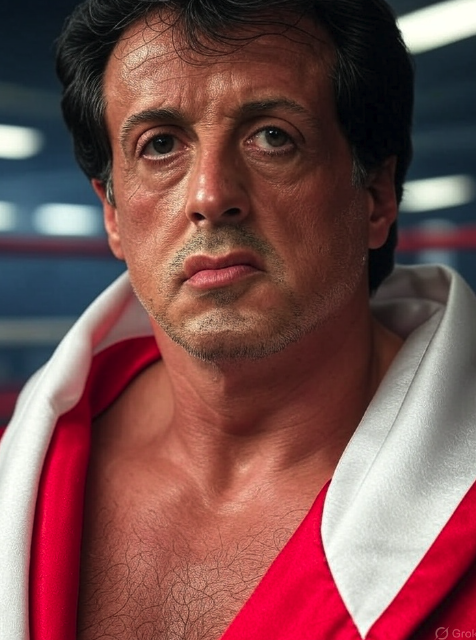
Consider the story of Rocky Balboa, the iconic underdog from the 1976 film Rocky. Rocky, a small-time boxer with big dreams, gets a once-in-a-lifetime shot to fight the heavyweight champion, Apollo Creed. He knows the odds are stacked against him—Creed is faster, stronger, and more experienced. Yet Rocky’s goal isn’t just to win; it’s to prove to himself that he can “go the distance,” to stand toe-to-toe with a champion and not back down. In the end, Rocky loses the fight by a split decision, but his true victory lies elsewhere. He overcomes his self-doubt, silences his fears, and proves he’s more than a “bum” from the streets of Philadelphia. That loss becomes his foundation for growth.
Rocky’s journey teaches us that failure is a teacher, not a dead end. Each setback he faced—whether in the ring or in his personal life—forced him to confront his weaknesses and adapt. He didn’t let the loss to Creed define him; instead, he used it as fuel to train harder, refine his skills, and nurture his unyielding belief in himself. By Rocky II, his persistence pays off as he claims the title, but the real transformation happened in the moments he chose to keep fighting, even when victory seemed impossible. His story reminds us that true champions are forged not in the absence of defeat but in the courage to rise after it.
Like Rocky, we all face our own “Apollo Creeds”—challenges that test our resolve and expose our vulnerabilities. Maybe it’s a career setback, a failed relationship, or a personal goal that feels out of reach. These moments sting, but they also hold the seeds of growth. Failure teaches us resilience, revealing what we’re capable of when we refuse to quit. It builds wisdom, showing us where we need to improve and how to approach challenges differently. Most importantly, it strengthens our belief in ourselves, proving that we can endure more than we thought possible.
To grow from failure, we must first re-frame how we see it. Instead of a verdict on our worth, view it as feedback—a roadmap for improvement. Analyze what went wrong, adjust your strategy, and keep moving forward. Second, cultivate a mindset of perseverance. Rocky didn’t become a champion overnight; he logged countless hours in the gym, ran through the streets of Philly, and pushed through pain. Your dream, too, requires consistent effort, even when results are slow to come. Finally, lean into your “why.” Rocky fought for more than a title; he fought to prove he was enough. When your purpose is clear, no failure can deter you.
Goggins’ words ring true because they challenge us to see failure not as a stopping point but as a prerequisite for victory. Every stumble, every loss, every moment you fall short is an opportunity to learn, adapt, and grow stronger. The path to success is paved with setbacks, but those who keep pushing forward—those who, like Rocky, go the distance—will find their victory.
Don’t let that setback define you—let it refine you. Keep fighting for your dreams, because the only true failure is giving up.