
Podcast
Additional podcasts on Physical Health
Casein protein, a slow-digesting protein derived from milk, constitutes about 80% of milk’s protein content and is a cornerstone in the world of fitness and nutrition. Unlike its fast-absorbing counterpart, whey, casein forms a gel-like substance in the stomach, providing a sustained release of amino acids that supports muscle repair, growth, and overall health over extended periods. Celebrated for its role in muscle recovery, appetite control, and metabolic health, casein is a go-to supplement for athletes, bodybuilders, and anyone seeking to optimize their wellness. Backed by decades of research, casein’s unique properties make it a versatile tool for enhancing physical performance and supporting long-term health goals. Let’s dive into the science-backed benefits of casein protein supplementation and explore how it can elevate your fitness journey.
Promoting Muscle Growth and Recovery
Casein’s hallmark benefit is its ability to support muscle protein synthesis (MPS) over prolonged periods, making it ideal for recovery during sleep or between workouts. Its slow digestion rate—releasing amino acids like leucine steadily over 6–8 hours—creates an “anti-catabolic” effect, preventing muscle breakdown during fasting states, such as overnight or during calorie deficits. Studies show that 20–40 grams of casein before bed significantly increases MPS and muscle repair in resistance-trained individuals, boosting strength gains by up to 20% compared to placebo when paired with training. This makes casein a favorite for bodybuilders and athletes aiming to maximize muscle hypertrophy. Unlike whey, which spikes amino acid levels quickly, casein’s gradual release sustains muscle-building processes, enhancing recovery from intense exercise. For those engaged in strength training or endurance sports, casein supplementation can optimize muscle retention and growth, ensuring you wake up stronger.
Enhancing Overnight Recovery
One of casein’s standout features is its role as a pre-sleep supplement. Consuming 30–40 grams of casein 30–60 minutes before bed provides a steady supply of amino acids throughout the night, counteracting muscle breakdown during the 7–9-hour fasting period of sleep. Research demonstrates that pre-sleep casein supplementation improves overnight protein balance, increasing muscle recovery rates by 10–15% in athletes compared to daytime-only protein intake. This is particularly beneficial for those with demanding training schedules or older adults, who face age-related muscle loss (sarcopenia). Casein’s high leucine content (about 8–10% of its amino acid profile) triggers MPS while its sustained release maintains an anabolic state, making it a powerful tool for maximizing recovery during sleep. For anyone looking to preserve lean mass or recover from intense workouts, nighttime casein supplementation is a game-changer.
Supporting Appetite Control and Weight Management
Casein’s slow digestion promotes prolonged satiety, helping to curb hunger and support weight management goals. By forming a gel in the stomach, casein slows gastric emptying, leading to feelings of fullness that can last for hours. Clinical trials show that 30 grams of casein reduces appetite and subsequent calorie intake compared to whey or carbohydrate-based meals, making it effective for weight loss or maintenance. In overweight individuals, casein supplementation as part of a calorie-controlled diet led to greater fat loss (2–3 kg over 12 weeks) and preservation of lean muscle compared to placebo. Its ability to stabilize blood sugar by reducing insulin spikes also supports metabolic health, potentially lowering the risk of type 2 diabetes. For those on a calorie deficit or aiming to control cravings, casein supplementation—especially as a meal replacement or snack—can be a strategic tool to stay on track.
Strengthening Bones and Teeth
Casein’s high calcium and phosphorus content, derived from its milk-based origins, supports bone health by enhancing bone mineralization and density. About 20–30% of casein’s weight is bound to calcium phosphate, which strengthens bones and teeth, reducing the risk of osteoporosis. Studies indicate that casein supplementation (20–40 grams daily) increases bone turnover markers in postmenopausal women, improving bone strength over 6–12 months. Casein also contains bioactive peptides that enhance calcium absorption, further supporting skeletal health. For older adults, athletes prone to bone stress injuries, or those with low dairy intake, casein supplementation provides a dual benefit of muscle and bone support, fortifying the body against age-related decline.
Supporting Immune Health and Gut Function
Casein contains bioactive peptides, such as caseinomacropeptide (CMP), which exhibit antimicrobial and immunomodulatory properties, strengthening the immune system. These peptides inhibit bacterial adhesion in the gut, reducing the risk of infections like E. coli or H. pylori. Research suggests that casein’s peptides also promote the growth of beneficial gut bacteria, supporting microbiome health and digestion. Unlike some proteins that may cause bloating, casein’s slow digestion is generally well-tolerated, especially in micellar casein forms, which are less processed and gentler on the stomach. Supplementation with 20–30 grams daily can enhance gut barrier function and immune resilience, particularly for those with compromised digestion or frequent illnesses.
Improving Metabolic Health
Casein’s ability to stabilize blood sugar and improve insulin sensitivity makes it a valuable ally for metabolic health. By slowing carbohydrate absorption, casein reduces post-meal glucose spikes, which is beneficial for individuals with prediabetes or insulin resistance. Studies show that 30 grams of casein consumed with a meal lowers glycemic response by 10–15% compared to whey or placebo, supporting long-term metabolic balance. Its high protein content also boosts thermogenesis—the energy required to digest food—by up to 30%, aiding calorie burning and fat loss. For those managing weight or metabolic conditions, casein supplementation can complement a balanced diet to optimize insulin function and energy metabolism.
Incorporating Casein: Supplementation Strategies
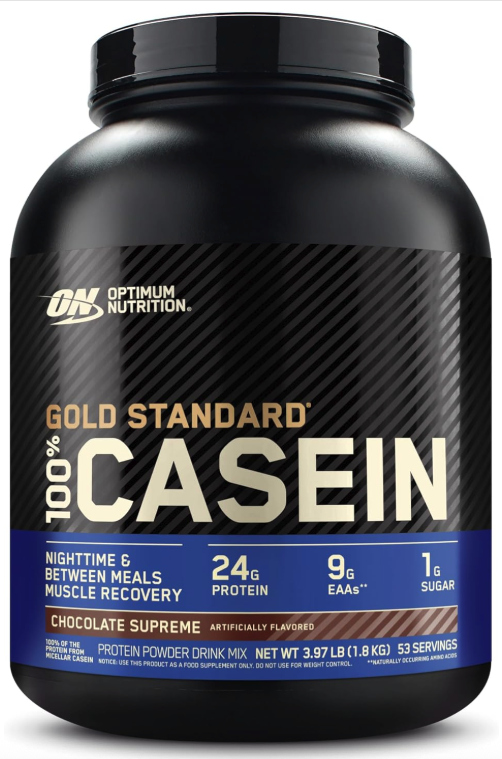
Casein is found naturally in dairy products like milk (3–4 grams per cup), cottage cheese, and Greek yogurt, but supplementation provides a concentrated, convenient source. Available as micellar casein (the purest, slowest-digesting form) or casein hydrolysate (faster-absorbing but less common), supplements come in powders (20–30 grams per scoop) or ready-to-drink shakes. Recommended doses are 20–40 grams daily, ideally taken before bed for overnight recovery or as a meal replacement for satiety. For muscle growth, combine with whey post-workout (20 grams each) for immediate and sustained amino acid release. Popular brands like Optimum Nutrition Gold Standard Casein (24 grams protein, 120 calories per scoop) or Dymatize Elite Casein (25 grams protein) are third-party tested for purity. Mix with water, milk, or blend into smoothies with berries and flaxseed for added nutrients. To enhance absorption, pair with 250–500 mg vitamin C or a small amount of healthy fats (e.g., almond butter). For weight management, use casein as a high-protein snack (e.g., 20 grams with fiber-rich fruit) to curb evening cravings.
Safety and Considerations
Casein is generally safe for most people, but those with lactose intolerance or milk allergies should opt for lactose-free or plant-based proteins. High doses (above 60 grams daily) may cause digestive discomfort, such as bloating or constipation, especially in sensitive individuals. Casein can interact with certain medications, like tetracycline antibiotics, by binding them in the gut—space doses 2–3 hours apart. Those with kidney or liver disease should consult a doctor, as high protein intake may strain these organs. Always start with a moderate dose (20 grams) and monitor tolerance. A blood test for ferritin or hemoglobin can identify if casein’s calcium content interferes with iron absorption, which is a concern for anemic individuals. Choose high-quality, third-party-tested supplements to avoid contaminants like heavy metals, which have been found in low-grade protein powders.
Casein protein’s remarkable versatility—from fueling muscle growth and overnight recovery to supporting bone health, appetite control, and metabolic balance—makes it an essential tool for anyone striving for peak performance and wellness. Whether you’re an athlete, a busy professional, or simply aiming to thrive, casein supplementation can elevate your health. Take action today—consult a nutritionist or healthcare provider to explore how casein fits into your fitness plan and start unlocking its potential for a stronger, healthier you.