

Podcast

Additional podcasts on Physical Health
In our fast-paced world, where productivity is often glorified and “hustle culture” reigns supreme, sleep is frequently the first casualty. We push through late nights, fueled by coffee and ambition, only to wonder why we feel drained, irritable, or unwell. But what if I told you that sleep isn’t just a passive break—it’s an active powerhouse for your body and mind? The importance of sleep extends far beyond feeling rested; it’s a cornerstone of overall health, influencing everything from your immune system to your emotional resilience. Let’s dive deeper into why prioritizing those seven to nine hours each night could transform your life, backed by science and real-world insights.
First, consider the foundational role sleep plays in physical restoration. During deep sleep stages, your body goes into repair mode. Muscles rebuild, tissues heal, and growth hormones are released, which are crucial for recovery after exercise or daily wear and tear. Skimping on sleep disrupts this process, leading to increased inflammation and a higher risk of injuries. Studies from institutions like the National Institutes of Health have shown that chronic sleep deprivation—getting less than six hours per night—can elevate the risk of heart disease by up to 20%. It’s not just about the heart; sleep regulates blood pressure and blood sugar levels, helping prevent conditions like hypertension and type 2 diabetes. Imagine your body as a high-performance engine—without proper downtime, it overheats and breaks down.
Beyond the physical, sleep is a guardian of mental health. Ever noticed how a poor night’s sleep leaves you foggy-headed or quick to snap? That’s because sleep consolidates memories and processes emotions. During REM (rapid eye movement) sleep, the brain sorts through the day’s experiences, strengthening neural connections for learning and problem-solving. Research from Harvard Medical School indicates that adequate sleep improves cognitive functions like attention, creativity, and decision-making. On the flip side, sleep loss is linked to heightened anxiety, depression, and even impaired judgment—think of it as the mental equivalent of running on empty. In fact, the Centers for Disease Control and Prevention report that one in three adults doesn’t get enough sleep, contributing to widespread mental health challenges in society.
The health benefits extend to your immune system, where sleep acts as a natural booster. While you slumber, your body produces cytokines, proteins that fight infection and inflammation. A study published in the journal Sleep found that people who sleep less than seven hours are three times more likely to catch a cold compared to those who get eight or more. This immune enhancement isn’t limited to minor illnesses; consistent good sleep has been associated with better outcomes in fighting chronic diseases, including cancer and autoimmune disorders. It’s a simple yet profound truth: quality sleep equips your body to defend itself more effectively.
Weight management and metabolic health also tie directly to sleep patterns. Hormones like ghrelin (which stimulates hunger) and leptin (which signals fullness) are regulated during sleep. When you’re sleep-deprived, ghrelin spikes and leptin drops, leading to increased cravings and overeating—often for sugary or high-fat foods. A meta-analysis in Obesity Reviews revealed that short sleep duration correlates with a 55% higher risk of obesity. By ensuring consistent sleep, you’re not just resting; you’re supporting a balanced metabolism and healthier eating habits.
Moreover, sleep influences longevity and quality of life. Longitudinal studies, such as those from the American Academy of Sleep Medicine, suggest that habitual good sleepers live longer and report higher life satisfaction. It enhances athletic performance, sharpens focus at work, and even strengthens relationships by improving empathy and communication skills. In essence, sleep isn’t a luxury—it’s an investment in a vibrant, resilient life.
Of course, achieving better sleep isn’t always straightforward. Factors like stress, screen time, and irregular schedules can sabotage your rest. But small changes, such as maintaining a consistent bedtime, creating a dark and cool sleep environment, and avoiding caffeine late in the day, can make a significant difference.
So, here’s your call to action: Tonight, commit to one small step toward better sleep. Whether it’s setting a bedtime alarm, dimming the lights an hour earlier, or journaling to clear your mind, start prioritizing your rest. Track how it feels over a week, and you might just discover the profound difference it makes. What’s one change you’ll make for better sleep?
10 Reasons to Get More Sleep | Healthline
Why Sleep Matters: Benefits of Sleep | Harvard
Why Do We Need Sleep? | Sleep Foundation
How to Sleep Better and Reduce Inflammation | Max Lugavere with Roger Seheult, MD
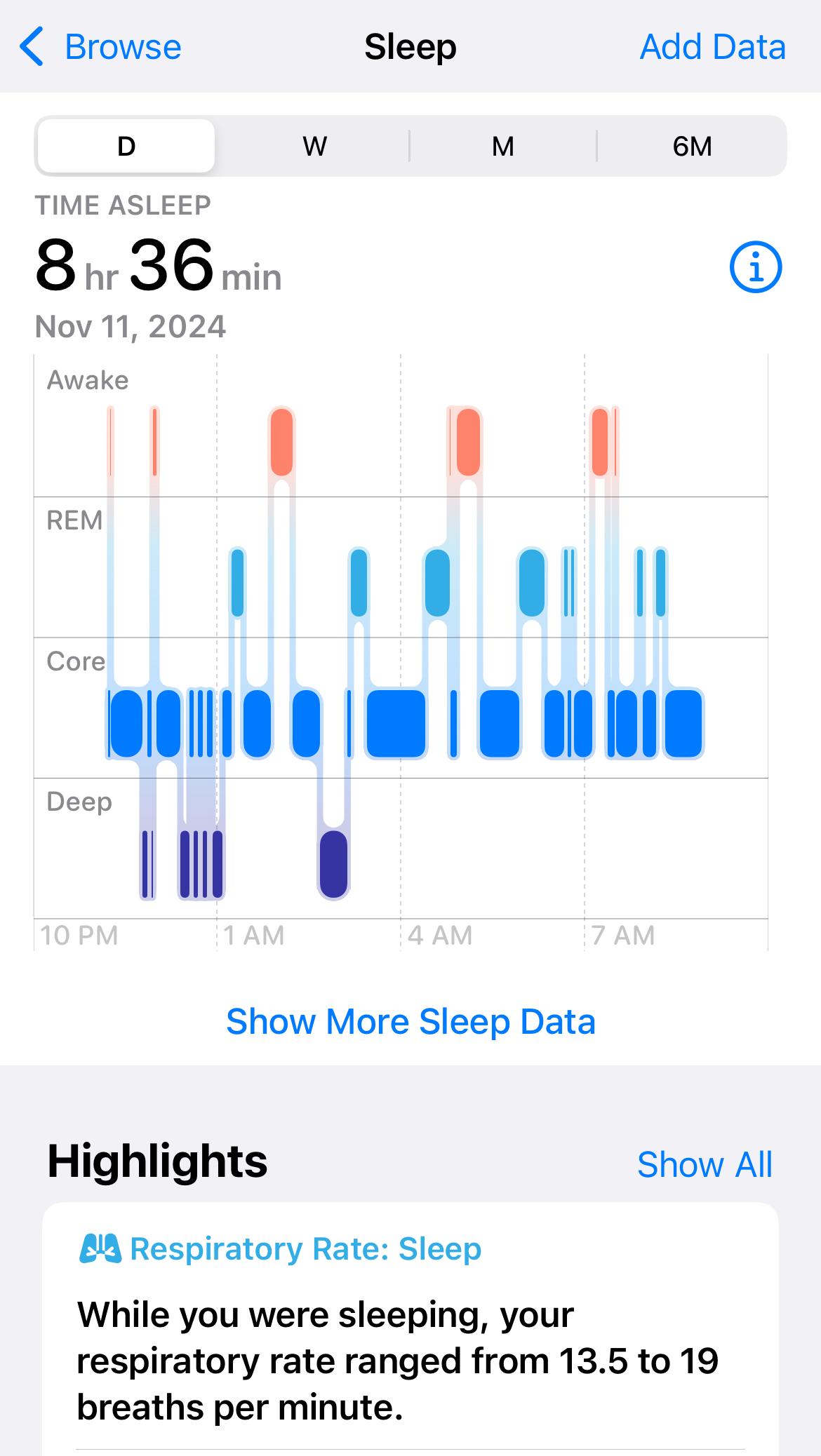
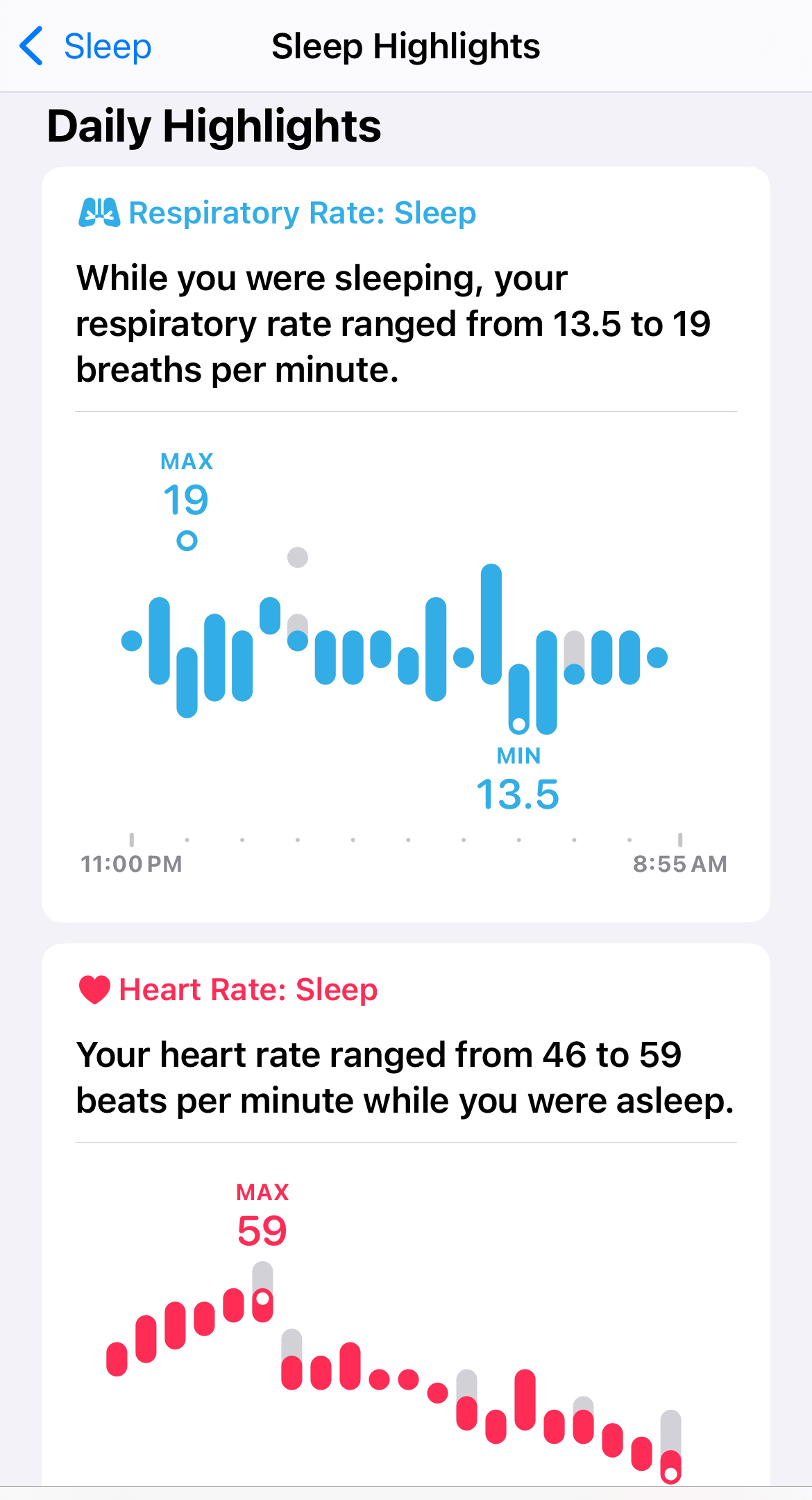
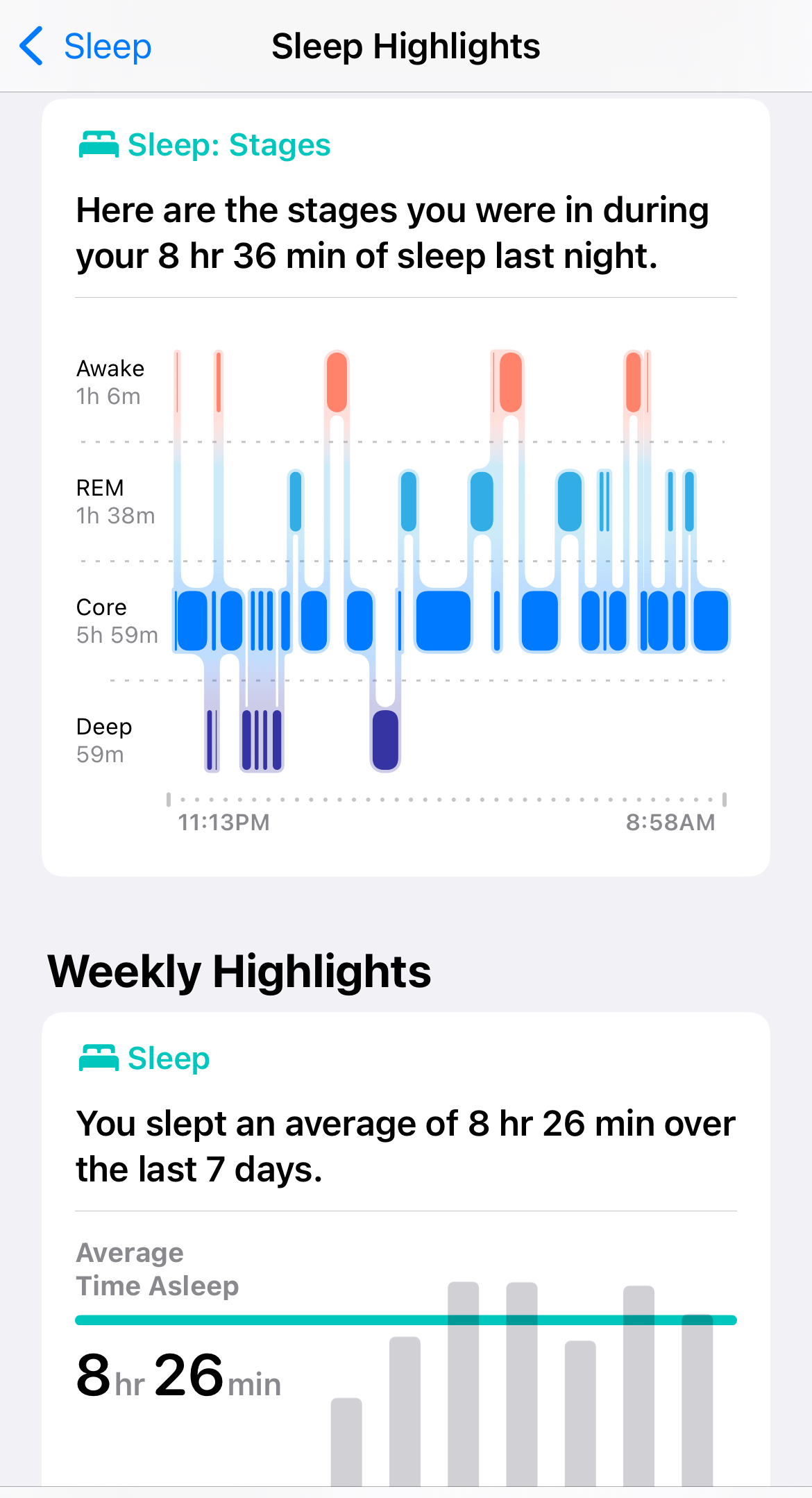
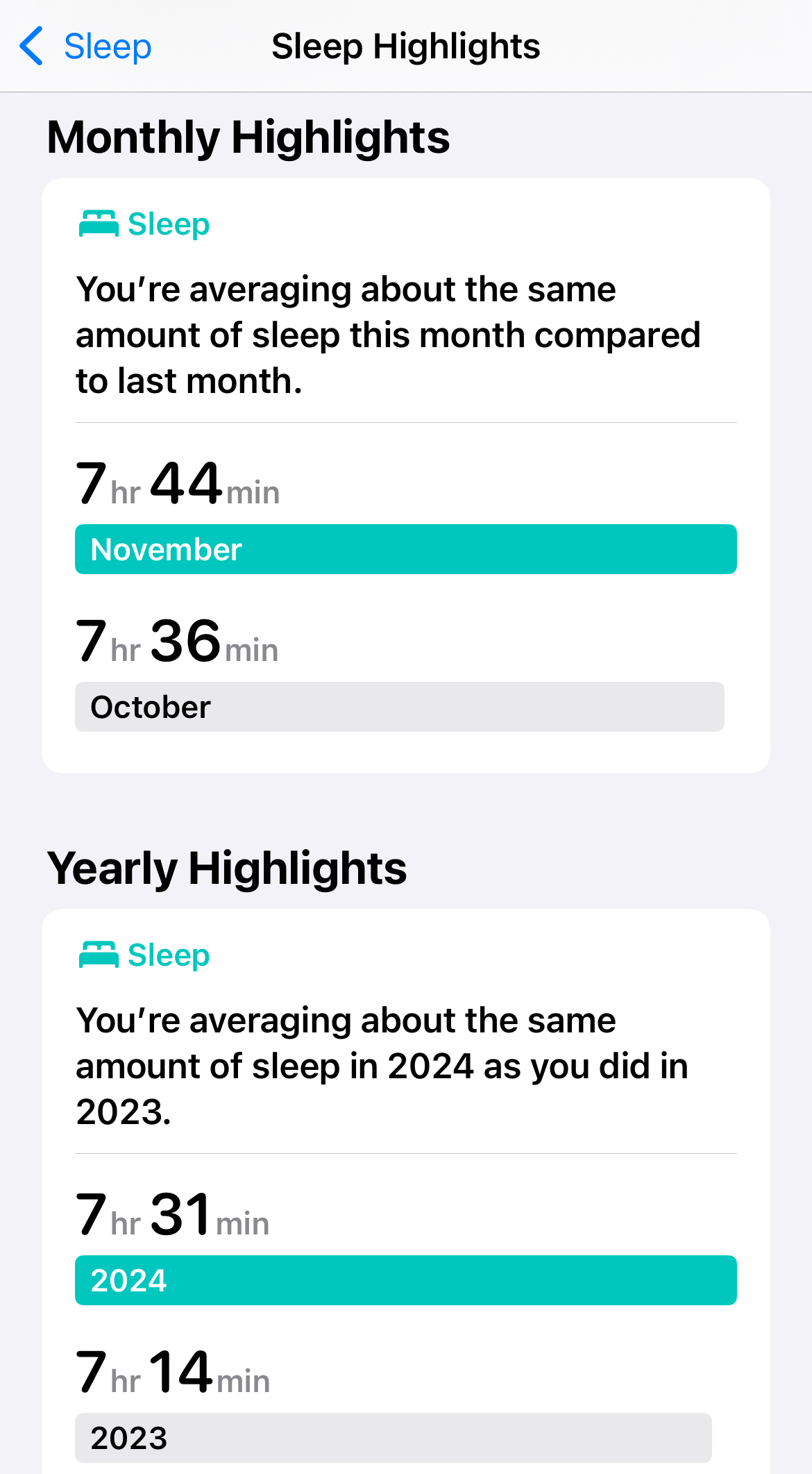
Did you know that your AppleWatch can track your nightly sleep patterns and display the data in the Apple Health App on your iPhone?

Why You’re Not Sleeping Great, and How to Fix It | Max Lugavere withMichael Breus, PhD

Leave a Reply