Podcast:
Creatine for Women: Busting the Myths and Unlocking Real Benefits
If you’ve been avoiding creatine because you think it’s “just for guys” or you’re worried it will make you bulky, puffy, or mess with your hormones — you’re not alone. These myths are incredibly common. The truth is, creatine is one of the most researched, safest, and effective supplements available today, and women have a lot to gain from it. Many women naturally have lower creatine stores than men, which means supplementation can provide a meaningful boost in strength, energy, recovery, and even brain health.What Is Creatine?Creatine is not a steroid or a hormone. It’s a natural compound that your body produces (about 1–2 grams per day) and obtains in small amounts from red meat and fish. Its primary role is to help regenerate ATP — the energy currency of your cells. This allows your muscles to perform high-intensity efforts for a little longer and recover faster between sets.Women typically store about 70–80% of the creatine levels that men do, largely due to differences in muscle mass and dietary habits. This natural gap makes creatine supplementation particularly useful for women.
Key Benefits of Creatine for Women. Increased Strength and Lean Muscle
1. Studies consistently show that women who supplement with creatine while doing resistance training gain more strength and lean muscle compared to training alone. Importantly, creatine will not make you look bulky. Women produce far less testosterone than men, so the fear of “getting too big” is largely unfounded. Instead, most women notice better muscle tone, improved body composition, and stronger bones as they age.
2. Better Workouts and Faster Recovery
Creatine helps you push harder during workouts, recover more quickly between sets, and feel less fatigued afterward. This improved performance and recovery often leads to better long-term consistency in the gym.
3. Brain Health and Mood Support
Your brain also relies on creatine for energy. Research indicates that creatine supplementation can improve short-term memory, reduce mental fatigue, and support mood — benefits that can be especially valuable during periods of hormonal fluctuation, such as perimenopause or postpartum.
4. Support During Perimenopause and Menopause
As estrogen levels decline, women experience accelerated muscle loss (sarcopenia). Creatine, combined with strength training, can help slow this process and may support bone density. Some studies suggest it can also help reduce fatigue and mood dips associated with menopause.
Common Myths About Creatine for Women
Myth #1: Creatine makes you bulky
False. Due to much lower testosterone levels, women do not experience the same muscle-building response as men. Creatine supports modest, functional muscle gains — not bulky bodybuilder physiques.Myth
#2: Creatine causes bloating
There can be a small increase in water drawn into your muscle cells, which often makes muscles appear fuller and firmer. True stomach bloating is uncommon and typically resolves within the first week. Many women actually report looking leaner, not puffier.
Myth #3: Creatine is bad for your kidneys
Decades of research show no evidence of kidney damage in healthy individuals. If you have pre-existing kidney disease, consult your doctor first. For most women, creatine is considered very safe.
Myth #4: You need to load or cycle creatine
Loading (20g per day for 5–7 days) is optional and only speeds up saturation by a week or two. Most women do excellent with a simple maintenance dose of 3–5 grams daily. There’s no need to cycle on and off.
How to Use Creatine Properly
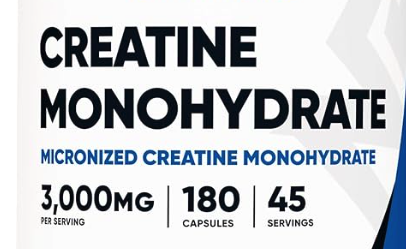
- Best Form: Creatine monohydrate — it’s the most researched, affordable, and effective version.
- Recommended Dose: 3–5 grams per day (roughly one rounded teaspoon).
- Timing: Consistency matters more than timing. Take it any time of day — with meals, in a protein shake, or even mixed in coffee.
- Duration: Use it daily, even on rest days. Benefits typically become noticeable after 4–8 weeks of consistent use.
Safety Considerations
Creatine is one of the safest dietary supplements available. Stay well hydrated while using it, as it draws water into your muscles. If you have existing kidney or liver conditions, speak with your doctor before starting. Pregnant or breastfeeding women should consult their healthcare provider, as research in these populations is still limited.
Final Thoughts
Creatine is not a miracle supplement, but it is one of the few that consistently delivers on its promises. Whether you’re looking to build strength, improve workout performance, support brain health, or maintain muscle as you age, creatine can be a valuable tool in your wellness routine.If you’ve been hesitant due to outdated myths, consider giving it a fair 6–8 week trial. You may be pleasantly surprised by how much better you feel and perform.For additional content, including in-depth audio podcasts on this topic and more, visit my website at OurGreaterSelves.net.
Medical Disclaimer
The information provided in this podcast episode, article, and on OurGreaterSelves.net is for educational and informational purposes only. It is not intended to be a substitute for professional medical advice, diagnosis, or treatment.Always seek the advice of your physician or other qualified healthcare provider with any questions you may have regarding a medical condition or before starting any new supplement, diet, exercise program, or treatment. Never disregard professional medical advice or delay in seeking it because of something you have heard or read here.Creatine supplementation may not be suitable for everyone. Individuals with pre-existing kidney or liver conditions, those who are pregnant, breastfeeding, or taking medications should consult their healthcare provider before use.The statements made about creatine have not been evaluated by the Food and Drug Administration. This content does not diagnose, treat, cure, or prevent any disease.By listening to this podcast or reading this article, you acknowledge that you are doing so at your own risk and assume full responsibility for your health decisions.