
Podcast
Additional podcasts on Physical Health
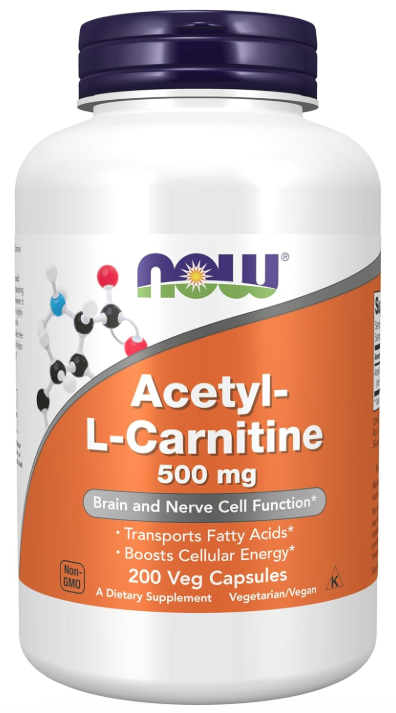
Acetyl-L-Carnitine (ALCAR), a highly bioavailable form of the amino acid derivative L-carnitine, is a naturally occurring compound synthesized in the body and present in foods like red meat, dairy, and certain vegetables such as avocado and asparagus. What sets ALCAR apart is its acetyl group, which enhances its ability to cross the blood-brain barrier, making it uniquely effective for neurological and cognitive support compared to standard L-carnitine. As a dietary supplement, typically dosed between 500-3,000 mg daily, ALCAR plays a critical role in mitochondrial energy production by transporting fatty acids into cells for fuel, while its antioxidant properties help combat oxidative stress—a key contributor to aging and chronic disease. Backed by decades of research, including clinical trials, meta-analyses, and preclinical studies, ALCAR demonstrates potential to enhance brain function, mood, energy, nerve health, and more. While some benefits require further large-scale human studies, its versatility and safety profile make it a compelling choice for those seeking natural ways to optimize health across multiple systems. Let’s explore the science-backed benefits in depth and discover why ALCAR could be a game-changer for your wellness journey.
Boosting Cognitive Function and Protecting Brain Health
ALCAR’s ability to cross the blood-brain barrier makes it a standout nootropic, with significant potential for supporting cognitive health and protecting against neurological decline. It enhances mitochondrial energy production in brain cells and may increase acetylcholine levels, a neurotransmitter vital for memory, learning, and attention. A 2003 meta-analysis of 21 randomized controlled trials involving over 1,200 adults with mild cognitive impairment or early Alzheimer’s disease found that ALCAR supplementation (1.5-3 grams daily for 3-12 months) significantly improved clinical and psychometric outcomes compared to placebo, including memory and cognitive scores. A 2018 study further showed that 1,500 mg daily for 28 weeks enhanced brain function in dementia patients, with improvements in attention and behavioral symptoms.
For younger, healthy individuals, ALCAR may offer subtler cognitive benefits, such as improved focus and mental clarity, particularly under stress or fatigue. While some studies show mixed results in non-impaired populations, preclinical research suggests ALCAR protects neurons from oxidative damage and supports nerve growth factor (NGF) production, potentially slowing age-related cognitive decline. This makes ALCAR a promising tool for students, professionals, or anyone aiming to maintain sharp cognition over time, as well as a potential preventive measure against neurodegenerative conditions like Parkinson’s or Alzheimer’s, though more human trials are needed.
Improving Mood and Combating Depression
ALCAR’s impact on mental health is an exciting area of research, particularly for mood disorders linked to mitochondrial dysfunction or low carnitine levels. A Stanford University study found that individuals with major depressive disorder had significantly lower ALCAR levels in their blood, with deficits correlating to symptom severity, earlier onset, and treatment resistance. A 2018 systematic review of clinical trials reported that ALCAR supplementation (1-3 grams daily) reduced depressive symptoms comparably to conventional antidepressants, but with fewer side effects, offering a gentler alternative for mood support.
Mechanistically, ALCAR may enhance mood by improving brain energy metabolism, reducing neuroinflammation, and modulating neurotransmitters like serotonin and dopamine. It also shows promise in reducing fatigue-related depression in conditions like fibromyalgia or chronic fatigue syndrome, where energy deficits play a role. For those navigating stress, low mood, or hormonal changes, ALCAR could provide a natural boost to emotional resilience, though it’s not a replacement for professional mental health care and requires further study for widespread use.
Enhancing Energy and Reducing Fatigue
ALCAR’s core function in fat metabolism—shuttling fatty acids into mitochondria for ATP production—makes it a powerful ally against fatigue. By optimizing cellular energy, it can improve physical and mental stamina, particularly in conditions characterized by low energy, such as multiple sclerosis or aging. Research on L-carnitine derivatives, including ALCAR, shows benefits in exercise settings, where it reduces lactate accumulation, lowers heart rate, and minimizes muscle damage, leading to better endurance and faster recovery. A study in older adults found that carnitine supplementation increased muscle efficiency and reduced fatigue during physical activity.
ALCAR’s antioxidant properties further combat oxidative stress, which can sap energy and accelerate aging. This dual action—energy production and cellular protection—makes it valuable for athletes, busy professionals, or anyone seeking sustained vitality without the crash of stimulants. Users often report feeling more alert and less sluggish, particularly when combining ALCAR with a balanced diet and exercise.
Supporting Nerve Health and Pain Management
ALCAR shines in managing neuropathic conditions, where it supports nerve regeneration and reduces pain. In diabetic neuropathy, a common complication causing tingling and numbness, a preliminary trial showed that 500 mg three times daily for 24 weeks alleviated symptoms as effectively as standard medications, with improvements in nerve conduction and pain scores. Reviews also highlight ALCAR’s efficacy in treating chemotherapy-induced neuropathy, toxic encephalopathies, and chronic pain syndromes by enhancing nerve blood flow and reducing inflammation. In peripheral artery disease, ALCAR improved walking distance and reduced leg pain, offering functional benefits for those with vascular issues.
Its neuroprotective effects stem from reducing oxidative damage to neurons and promoting nerve repair, making it a go-to supplement for nerve-related conditions caused by diabetes, injury, or medical treatments. For individuals dealing with chronic discomfort, ALCAR could provide meaningful relief alongside conventional therapies.
Aiding Metabolic Health and Weight Management
By enhancing fat oxidation, ALCAR supports metabolic efficiency, which may aid weight management and metabolic disorders. In conditions like metabolic syndrome, it improves insulin sensitivity, reduces lipid accumulation, and supports glucose metabolism. Studies on L-carnitine forms show modest weight loss benefits when paired with exercise, as ALCAR increases fat utilization during physical activity. For fertility, ALCAR has been studied in men with low sperm motility and women with polycystic ovary syndrome (PCOS), where doses of 1-3 grams daily improved sperm quality and ovulation rates, respectively. While not a magic bullet for weight loss, ALCAR’s role in energy metabolism makes it a supportive tool for those aiming to optimize body composition or address metabolic challenges.
Promoting Heart Health and Cardiovascular Function
ALCAR’s cardiovascular benefits are tied to its energy-enhancing and antioxidant properties. In studies, related carnitine forms like propionyl-L-carnitine reduced myocardial ischemia and improved exercise tolerance in angina patients by decreasing ST-segment depression. Broader research on L-carnitine suggests benefits for heart failure, arrhythmias, and post-heart attack recovery, with ALCAR likely contributing through improved cardiac muscle energy and reduced oxidative stress. However, concerns about elevated TMAO (a potential cardiovascular risk marker) from carnitine metabolism warrant caution, and more ALCAR-specific trials are needed. For those with heart concerns, ALCAR may offer supportive benefits but should be used under medical supervision.
Safety, Dosage, and Practical Tips
ALCAR is generally well-tolerated, with doses of 500-3,000 mg daily considered safe for most adults. Common side effects, when they occur, include mild nausea, vomiting, stomach upset, headache, or a fishy body odor, particularly at higher doses. Rare risks include insomnia or interactions with medications like acenocoumarol or thyroid hormones. Individuals with seizure disorders, kidney issues (e.g., uremia), or those on certain antibiotics should consult a healthcare provider. Pregnant or breastfeeding women should avoid ALCAR unless medically approved.
For best results, start with 500-1,000 mg daily, split into two doses, and take with meals to minimize digestive upset. Capsules or powders are common, and pairing ALCAR with CoQ10 or alpha-lipoic acid may enhance its mitochondrial benefits. Choose third-party tested brands to ensure purity, and store supplements in a cool, dry place.
From sharpening your mind to energizing your body and soothing nerve pain, Acetyl-L-Carnitine offers a multifaceted approach to wellness backed by science. Whether you’re seeking cognitive clarity, mood support, or physical vitality, ALCAR could be the boost you need to thrive.
Ready to tap into the benefits of Acetyl-L-Carnitine? Consult your healthcare provider to confirm it’s right for you, and start incorporating this versatile supplement into your routine today. Have you tried ALCAR or have questions about its effects?